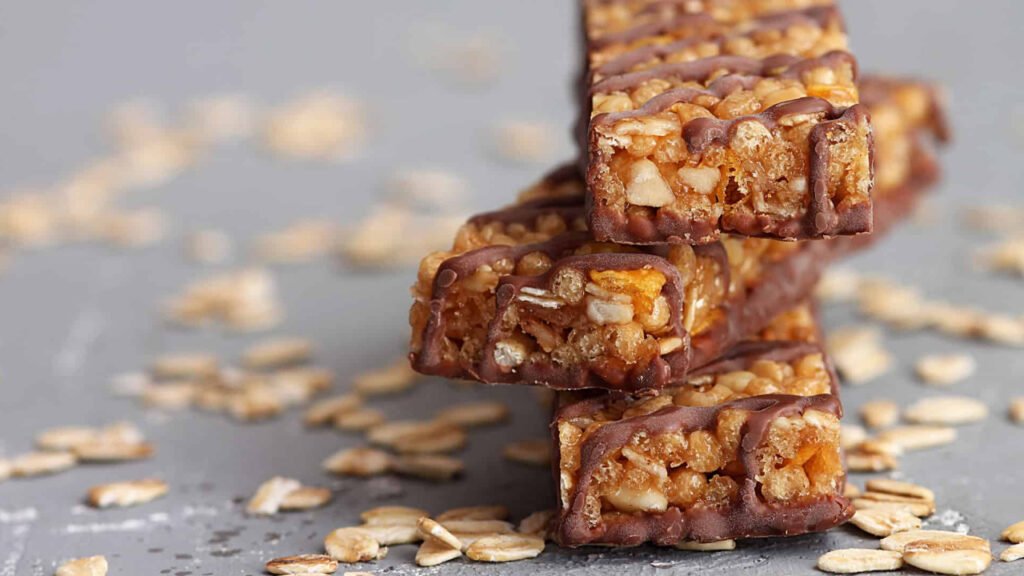
The Surprising Truth About Protein Bars: 14 Things You Should Know
August 17, 2026
0
Protein bars have become one of the most convenient foods for busy mornings, school days, workouts, travel, and quick snacks. They’re easy to carry, require no preparation, and
Protein bars have become one of the most convenient foods for busy mornings, school days, workouts, travel, and quick snacks. They’re easy to carry, require no preparation, and often promise a combination of protein, energy, and convenience in one package. With so many options now available, it’s understandable that people wonder whether they’re genuinely nutritious or simply cleverly marketed candy bars.
The answer isn’t as simple as yes or no. Protein bars can be useful, but their nutritional quality varies dramatically from one product to another. Some contain a reasonable combination of protein, fiber, and other nutrients, while others can contain substantial amounts of added sugar, saturated fat, or highly processed ingredients.
Rather than judging every bar by its packaging, it’s more useful to understand what you’re actually buying. Once you know what to look for, it becomes much easier to decide when a protein bar makes sense and when another snack might be a better option.
Protein Bars Can Be Convenient
One of the strongest arguments for protein bars is convenience. Unlike meals that require refrigeration, cooking, or preparation, a packaged bar can be kept in a bag and eaten almost anywhere.
That convenience can be genuinely useful when you’re traveling, running between activities, or simply don’t have access to a proper meal. Having something shelf-stable available can also be preferable to going for long periods without eating and then choosing whatever happens to be available.
However, convenience doesn’t automatically determine nutritional quality. A convenient food still needs to be evaluated based on its ingredients and nutrition facts.
Protein Bars Can Provide a Useful Amount of Protein
The defining feature of most protein bars is, unsurprisingly, their protein content. Protein is an essential nutrient involved in maintaining and repairing tissues and supporting many processes throughout the body.
The amount can vary considerably between products. Some bars are designed primarily as snacks, while others are specifically formulated to provide a larger serving of protein.
This means it’s worth checking the nutrition label instead of assuming every product provides the same amount. A bar with a high-protein marketing claim may have a very different nutritional profile from another bar sitting on the same shelf.
Protein Bars Are Not All Created Equal
Perhaps the most important thing to understand is that there is no single nutritional profile shared by every protein bar. Products can differ significantly in protein, fiber, sugar, fat, calories, sodium, and ingredients.
Some are relatively simple, while others contain long ingredient lists with sweeteners, flavorings, coatings, and other additions. Neither a short nor a long ingredient list automatically tells you whether a product is appropriate for your diet.
The nutrition facts panel provides a much clearer starting point. Looking at the complete label allows you to understand what you’re actually getting rather than relying on the advertising on the front of the wrapper.
Protein Bars Can Contain Added Sugar
Some products contain significant amounts of added sugar, particularly varieties designed to taste like desserts. Chocolate, caramel, cookie, and other sweet flavors can make a bar feel more like a treat than a conventional snack.
That doesn’t automatically make the product unhealthy. A certain amount of added sugar can fit within an overall balanced eating pattern. However, if you’re choosing a bar specifically because you want a nutritious protein-rich snack, it’s worth considering how much of the product is actually contributing protein and other useful nutrients.
Comparing labels can reveal substantial differences between seemingly similar products.
Protein Bars Can Also Contain Fiber
Fiber is another nutrient worth checking. Some bars contain ingredients such as nuts, seeds, oats, or added fibers that can increase their fiber content.
Fiber can contribute to digestive health and is naturally found in many plant foods. Including it in a snack can make the product more nutritionally substantial.
However, added fiber doesn’t automatically make a bar a healthy choice. It’s still important to consider the entire nutritional profile, including sugar, saturated fat, sodium, and the ingredients used to create the product.
Protein Bars Can Be Highly Processed
Many protein bars are processed foods, and that’s not automatically a problem. Processing can make foods safer, more convenient, longer-lasting, and easier to consume.
The more useful question is what the finished product actually provides. A highly processed bar can still contribute useful protein and other nutrients, while another product may be heavily marketed as healthy without offering much nutritional value.
Instead of treating “processed” as a simple good-or-bad category, look at the food as a whole and consider how frequently you rely on it.
Protein Bars Can Be Useful When You’re Short on Time
There are situations where convenience matters more than having a perfectly prepared meal. A protein bar can be practical when you’re away from home, traveling, or between activities.
It can serve as one component of a snack or meal when paired with other foods. For example, adding fruit or another nutrient-rich food can create a more varied eating experience than relying on a bar alone.
The goal doesn’t have to be choosing the “perfect” bar. It can simply be finding a practical option that fits your circumstances.
Protein Bars Shouldn’t Automatically Replace Meals
Despite their convenience, many bars aren’t nutritionally equivalent to a complete meal. A balanced meal can provide a broader combination of protein, carbohydrates, fats, vitamins, minerals, and other nutrients.
Replacing meals with bars regularly can therefore make your diet less varied. The occasional bar can be useful, but whole foods offer many nutritional and sensory benefits that are difficult to reproduce in a compact packaged snack.
Think of a bar as a convenient food option rather than a universal substitute for meals.
Protein Bars Can Taste Like Desserts
Modern protein bars have become remarkably creative. Products may imitate cookies, brownies, peanut butter cups, caramel treats, and other desserts.
This can make them enjoyable and convenient, but it can also make the distinction between a snack and a treat less obvious. A bar that tastes like a dessert may still provide protein and other nutrients, but its nutritional profile should be judged by the label rather than its marketing category.
Enjoyment matters too. A food doesn’t have to be perfectly nutritious to have a place in a balanced diet.
Protein Bars Can Be Expensive
Another factor worth considering is cost. Individual protein bars can be significantly more expensive than many ordinary snacks containing protein.
Foods such as yogurt, eggs, beans, nuts, seeds, milk, and other everyday options can provide protein at different price points. The best choice depends on your circumstances, preferences, and access to food.
Protein bars can justify their cost when convenience is particularly valuable, but they don’t need to become the foundation of your diet simply because they are marketed as high-protein foods.
Protein Bars Can Contain Sugar Alcohols and Alternative Sweeteners
Some products use sugar alcohols or other alternative sweeteners to create a sweet taste while reducing traditional sugar content. These ingredients can be useful for food manufacturers, but they may affect people differently.
Some individuals may experience digestive discomfort from certain sugar alcohols, particularly when consuming larger quantities. Checking the ingredient list can help you understand what sweeteners are included in a particular product.
Again, there isn’t one ingredient that automatically determines whether a bar is healthy or unhealthy. Individual tolerance and the overall nutrition profile both matter.
Protein Bars Can Fit Into a Balanced Diet
There’s no reason to completely avoid protein bars simply because some products contain added sugar or highly processed ingredients. Food choices don’t have to be divided into perfect and terrible categories.
A protein bar can be one convenient option among many. You might choose one when you’re away from home and eat a more traditional meal when you’re able to. This flexible approach allows convenience foods to coexist with fruits, vegetables, whole grains, dairy, legumes, nuts, seeds, and other nutritious foods.
Balance is more useful than perfection.
Protein Bars Are Best Judged by the Whole Label
The front of a package is designed to attract attention. Words such as “high protein,” “low sugar,” “natural,” or “energy” can make a product sound particularly impressive.
Before buying, turn the package around and look at the nutrition facts and ingredients. Consider the protein, fiber, added sugar, saturated fat, sodium, serving size, and any ingredients you may personally want to avoid.
Comparing two or three products can reveal that the bar with the most attractive marketing isn’t necessarily the one that best fits your needs.
Protein Bars Are a Tool, Not a Magic Food
The biggest misconception surrounding these products is that eating one automatically makes a diet healthier. Protein bars can provide useful nutrients, but they can’t compensate for an otherwise unbalanced eating pattern.
A varied diet remains important. Fruits, vegetables, whole grains, legumes, nuts, seeds, dairy or suitable alternatives, and other foods can contribute nutrients that a single packaged bar cannot replicate.
The best way to think about protein bars is as a tool. They can be useful when convenience matters, but they don’t need to become an everyday requirement.
Conclusion
So, are protein bars actually healthy? Some can be nutritious and convenient choices, while others are closer to dessert-style snacks with extra protein. The difference comes down to the individual product, its ingredients, and how it fits into your overall diet.
Look beyond the claims on the front of the package. Check protein, fiber, added sugar, saturated fat, sodium, serving size, and the ingredient list. Most importantly, consider what role the bar is playing in your eating pattern.
A good protein bar doesn’t need to be perfect. It simply needs to provide useful nutrition and fit your needs at the moment you choose it. When treated as a convenient option rather than a miracle food, protein bars can have a perfectly reasonable place in a varied diet.