

How to Build a Simple Skincare Routine for Clearer, Healthier-Looking Skin
- October 9, 2026
- 0
A good skincare routine does not need a bathroom shelf packed with bottles. In fact, one of the easiest ways to make skincare feel overwhelming is to keep


9621 Agnes Crossing, Lake Suzanneview, New Mexico Island 84604-9295.
A good skincare routine does not need a bathroom shelf packed with bottles. In fact, one of the easiest ways to make skincare feel overwhelming is to keep
A good skincare routine does not need a bathroom shelf packed with bottles. In fact, one of the easiest ways to make skincare feel overwhelming is to keep adding products without knowing what your skin actually needs. A simple skincare routine can be much easier to follow, easier to adjust, and easier to understand.
The goal is not to create a complicated ritual that takes half an hour every morning and night. You should know why you are using each product, when to use it, and what role it plays. Once those basics are clear, your skincare routine can become more personalized without becoming unnecessarily complicated.
Clearer, healthier-looking skin is also a realistic goal when you approach skincare with patience. Skin can change with weather, stress, sleep, hormones, age, and product choices. That means your skincare routine may need occasional adjustments rather than a complete overhaul every few weeks.
The best place to begin is with the fundamentals: understand your skin, cleanse gently, moisturize consistently, protect it from the sun, and introduce active ingredients carefully. From there, your skincare routine can grow according to your needs.

Before buying anything new, spend a little time observing your skin. A skincare routine works better when it is built around your actual needs rather than whatever happens to be trending online.
Ask yourself how your skin feels a few hours after washing it. Does it become shiny quickly? Does it feel tight or uncomfortable? Do you notice dry patches? Do you experience both oily areas and dry areas? Do certain products make you sting, flush, or become irritated?
These observations can give you useful clues. Oily skin may benefit from lightweight textures, while dry skin often feels more comfortable with richer moisturizing formulas. Combination skin can require a balance between the two. Sensitive-feeling skin generally benefits from a more cautious approach and fewer new products at once.
Your skincare routine should also consider your main concerns. Someone dealing with occasional breakouts may have different priorities from someone focused on uneven tone, rough texture, or visible signs of aging.
Do not feel pressured to identify your skin perfectly on day one. Skin does not always fit neatly into one category, and its needs can change. Start with what you can observe, keep the routine simple, and make adjustments based on how your skin responds.
A morning skincare routine can be surprisingly short. You do not need seven or eight steps before leaving the house.
For many people, the basics are cleansing or gently refreshing the skin, applying a treatment when appropriate, moisturizing, and finishing with sunscreen. Some people may use a toner or serum, but those steps are optional rather than mandatory for everyone.
The biggest mistake is treating every available product as a required step. A skincare routine should solve problems, not create them.
If your skin feels comfortable in the morning, you may not need an aggressive cleanser. If you are already using a hydrating moisturizer, you may not need multiple hydrating serums layered underneath it.
Sunscreen deserves particular attention during the daytime. Broad-spectrum SPF 30 or higher is commonly recommended for daily protection, and it should be the final skincare step before makeup if makeup is part of your routine.
Think of your morning skincare routine as preparation rather than a project. Clean skin, appropriate hydration, and sun protection can provide a sensible foundation for the rest of the day.
Paula’s Choice also describes a basic routine around cleansing, exfoliation, and daytime moisturizer with sunscreen, while more advanced routines can include targeted treatments. The important takeaway is that your skincare routine can grow according to your needs rather than starting complicated.
Nighttime is a good opportunity to give your skin a little more attention. Your evening skincare routine can be similar to your morning routine at first, with a few differences.
Start by removing makeup or sunscreen when necessary and cleansing gently. After cleansing, you can apply a treatment or exfoliant that fits your goals, followed by moisturizer.
You do not have to use every active ingredient every night. In fact, introducing several powerful products at once can make it difficult to understand what is helping and what may be causing irritation.
A simple evening skincare routine might contain only three or four useful steps. For example, cleanse, apply one appropriate treatment, moisturize, and stop there.
If you eventually add products such as retinoids, exfoliating acids, or concentrated serums, introduce them gradually. Give your skin time to respond before adding another new active.
The evening routine should also feel enjoyable. Skincare is easier to maintain when it does not feel like homework. Keep the products you use regularly within easy reach and avoid building a routine so long that you start skipping it.
Consistency matters more than having the most elaborate shelf in the bathroom.
Cleansing is one of the foundations of a skincare routine, but more aggressive does not mean more effective.
Your cleanser should remove dirt, excess oil, sunscreen, and makeup without leaving your skin feeling painfully tight or stripped. Very hot water and excessive rubbing can also make cleansing less comfortable.
Use lukewarm water and massage the cleanser gently over the face. Pay attention to areas where makeup or sunscreen tends to collect, but avoid scrubbing your skin as though you are cleaning a countertop.
Paula’s Choice recommends cleansing with lukewarm water and gentle motions, with the goal of leaving skin clean, smooth, and refreshed rather than dry or tight. That approach makes sense for a simple skincare routine because cleansing should prepare your skin for the next steps rather than leave it uncomfortable.
You may also need different cleansing habits depending on what you wear during the day. Heavy makeup or water-resistant sunscreen can require more thorough removal.
The key is finding a cleanser that does its job without making your skin feel worse afterward.
If your face feels extremely tight immediately after washing, take that as feedback. Your cleanser may be too harsh, you may be cleansing too often, or your overall skincare routine may need more support for the skin barrier.

Moisturizer is one of the easiest steps to overlook when you are focused on clearer skin. Yet hydration is important because skin that feels dry and uncomfortable can make your entire skincare routine harder to tolerate.
Choose the texture that suits your skin. Lightweight gels and lotions can feel comfortable on oily or combination skin, while creams may be preferable for drier skin.
You do not necessarily need a separate moisturizer for every part of your face. Start with one product that feels comfortable and works with the rest of your skincare routine.
Apply moisturizer after lighter products and treatments. At night, it can be one of the final steps in your routine.
If your skin is very dry, you can sometimes adjust the amount or choose a richer formula. If your skin becomes greasy quickly, a lighter texture may be more practical.
Moisturizing is also useful when using certain active ingredients. If a treatment makes your skin feel dry or tight, adjusting your moisturizer or frequency may make the routine more comfortable.
The best skincare routine is not the one that makes your skin feel like it has been covered in ten different layers. It is the one that leaves your skin comfortable enough that you can keep using it.
Sunscreen is the step that should not be treated as an occasional extra. Sun exposure contributes to visible skin aging and can worsen the appearance of uneven tone and post-breakout marks.
For a daytime skincare routine, broad-spectrum SPF 30 or higher is a sensible baseline. Apply it to exposed areas rather than stopping at the center of your face. The neck and other exposed skin deserve attention too.
The challenge is consistency. A sunscreen that sits beautifully on your skin is much easier to use every day than one that feels greasy, heavy, or uncomfortable.
Try different textures if necessary. There are lightweight fluids, lotions, gels, creams, and mineral formulas, so finding a comfortable option can make daily use easier.
Do not let the rest of your skincare routine become so complicated that sunscreen gets forgotten. If you only have time for a few morning steps, prioritize the basics.
Paula’s Choice emphasizes sunscreen as an essential part of a daily skincare routine and recommends broad-spectrum SPF 30 or greater. That is a useful reminder that protecting your skin should be part of the routine itself, not something reserved for beach days.
Exfoliation can help improve the appearance of dullness, uneven texture, and clogged pores, but it is also one of the easiest steps to overdo.
Chemical exfoliants such as AHAs and BHAs can be useful for different concerns. Salicylic acid, a BHA, is often used in routines focused on clogged pores and breakouts, while AHAs are commonly used for surface texture and dullness.
You do not need to exfoliate aggressively to see benefits. Start with an appropriate product and frequency, then observe how your skin responds.
If you are already using several active ingredients, adding another exfoliant may not be the smartest move. A skincare routine should have a purpose for every active product.
Redness, persistent stinging, excessive dryness, or uncomfortable flaking are signs that your routine may be too intense. Do not interpret irritation as proof that a product is working.
One useful strategy is to introduce one new active at a time. That gives you a much better chance of identifying what your skin likes and dislikes.
Paula’s Choice notes that exfoliants can be used at different frequencies depending on individual needs and that not every product has to be used twice a day. That flexibility is helpful when building a simple skincare routine.
Once your basic skincare routine is stable, you can think about targeted treatments.
For example, someone concerned about clogged pores may look at BHA products. Someone focused on uneven tone may consider ingredients such as vitamin C or niacinamide. Someone interested in signs of aging may explore retinoid-based products or other targeted treatments.
The important word is targeted.
Do not buy a serum simply because everyone on social media is talking about it. Ask what problem you want the product to address.
A skincare routine becomes easier to understand when each treatment has a clear role. If you have three different serums that all promise vaguely similar benefits, you may not know which one is actually useful.
It is also worth checking how your treatments interact. Some combinations may be irritating for certain people, especially when introduced too quickly.
When adding a new treatment, make the rest of your skincare routine boring for a while. Keeping the cleanser, moisturizer, and sunscreen consistent makes it easier to judge the new product.
If you have persistent or severe skin concerns, a dermatologist or qualified healthcare professional can help you determine whether you need a medical approach rather than simply adding more cosmetic products.
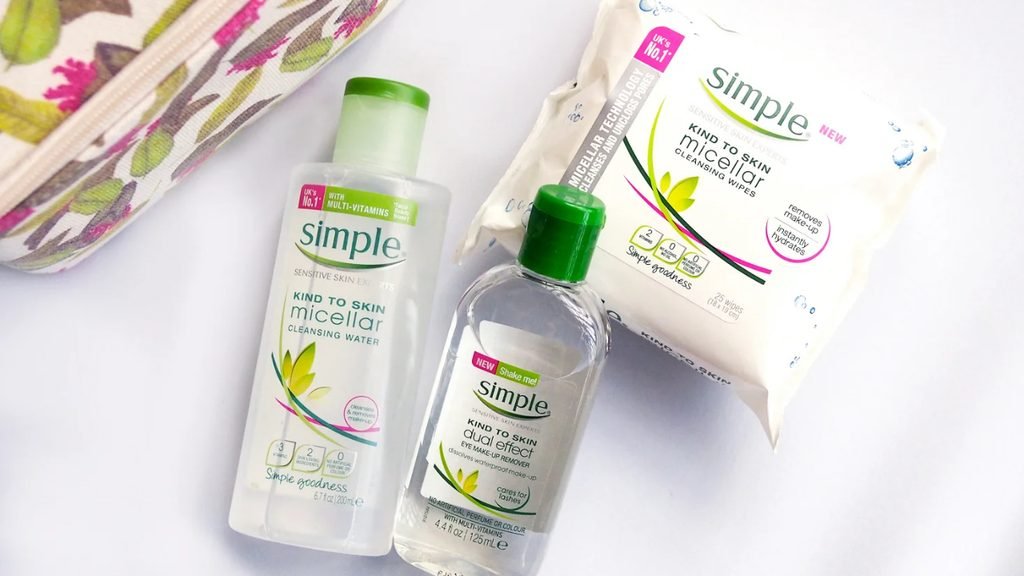
Product order does not need to be mysterious. A common approach is to move from lighter, more fluid products toward thicker formulas, with sunscreen as the final daytime skincare step.
A basic morning skincare routine might look like cleanser, treatment or serum if needed, moisturizer, and sunscreen.
An evening skincare routine might look like cleanser, treatment, and moisturizer.
There are exceptions, especially when you are using multiple specialized products, but simplicity is useful when you are just starting.
Paula’s Choice recommends applying products according to texture, moving from thinner products toward thicker ones, while keeping daytime sunscreen as the final skincare product. This can help you avoid turning the routine into a guessing game.
You also do not need to wait an arbitrary amount of time between every product. If a product’s instructions say otherwise, follow them, but otherwise the focus should be on applying products comfortably and consistently.
The order is useful, but it should not become an obsession. A skincare routine that you follow consistently is more valuable than a theoretically perfect routine that feels too complicated to maintain.
One of the biggest skincare mistakes is starting five new products on the same weekend.
It feels exciting. You buy a cleanser, exfoliant, serum, retinoid, moisturizer, and mask, then begin using everything immediately. A few days later your skin becomes irritated, and you have no idea which product caused it.
A better skincare routine is introduced gradually.
Keep the basics stable first. Once your cleanser, moisturizer, and sunscreen are comfortable, add one targeted product. Use it according to its instructions and give yourself time to evaluate it.
If your skin responds well, you can decide whether another step is actually necessary.
This approach is slower, but it saves money and frustration.
It also makes your skincare routine easier to troubleshoot. If something changes, you have a much clearer idea of what caused the difference.
Do not confuse constant change with progress. Your skin does not need a new routine every Monday.
Give good products and sensible habits enough time to show what they can do, while remaining realistic about the results they can provide.
Skincare can involve an adjustment period, but discomfort should not automatically be accepted as a sign that a product is effective.
Mild changes in texture or appearance may occur when introducing certain active ingredients, but persistent burning, significant redness, swelling, or severe dryness deserves attention.
A healthy skincare routine should ultimately leave your skin feeling comfortable.
Keep a simple record when introducing a new treatment. Note when you started, how often you use it, and what changes you notice. You do not need a spreadsheet unless you enjoy that kind of thing. A note on your phone can be enough.
Pay attention to patterns. If your skin becomes increasingly irritated after each application, continuing simply because you hope the product will eventually work may not be sensible.
Paula’s Choice advises discontinuing a product if you experience redness, continued flaking, increased dryness, stinging, or discomfort. That is a useful principle for anyone building a skincare routine.
Remember that clearer skin is not supposed to require constant suffering. Patience is useful, but so is listening to your skin.

The most effective skincare routine is often the one you can realistically follow.
Think about your mornings. If you have ten minutes to get ready, do not create a twelve-step routine that takes fifteen minutes. You will probably skip it eventually.
The same applies at night. If you are exhausted after work or school, a short skincare routine may be more sustainable than a complicated ritual.
Keep frequently used products together. Put sunscreen somewhere you will see it in the morning. Keep your cleanser and moisturizer within easy reach.
You can also make the routine fit naturally around habits you already have. Cleanse after brushing your teeth, moisturize before getting dressed, or keep your evening products near the place where you normally get ready.
A routine becomes a habit through repetition, not through complexity.
This is also where product selection matters. If a serum pills under your moisturizer or sunscreen feels uncomfortable, you are less likely to use them consistently. The theoretically perfect skincare routine is not useful if the products do not fit your preferences.
Make the routine easy enough that you can keep doing it on ordinary days, not just when you are motivated.
Perhaps the hardest part of skincare is patience.
It is tempting to expect a dramatic difference after two or three applications. Social media can make this even harder because transformation photos often appear to show instant results.
Real skin does not always behave that way.
Some products can make the skin feel cleaner or more hydrated immediately, while changes involving texture, breakouts, uneven tone, or visible signs of aging can take longer.
Paula’s Choice explains that different product categories can have different timelines, and that consistency is important when judging whether a skincare routine is working.
Instead of checking your face in the mirror every hour, look for broader patterns over time. Is your skin feeling more comfortable? Are breakouts becoming less frequent? Is your texture improving? Are you experiencing less dryness?
Take occasional photos in similar lighting if you want a more objective way to compare changes.
Also remember that your skincare routine cannot control everything. Stress, hormones, weather, sleep, and other factors can affect how your skin looks.
The goal is not flawless skin every single day. The goal is a healthier, more balanced routine that supports your skin over time.
There is nothing wrong with deciding that your skincare routine has become too complicated.
If you have ten products and cannot remember what half of them do, step back.
Return to the basics: gentle cleansing, appropriate moisturizer, daytime sunscreen, and one or two targeted treatments that genuinely serve a purpose.
Paula’s Choice describes an essential routine built around a small number of core steps, with additional products added for specific concerns. That is a useful model because it gives you a foundation before you start experimenting.
A simple skincare routine can also make your budget easier to manage. Instead of constantly purchasing new products, you can spend more thoughtfully on the steps that matter most to you.
There is no prize for having the longest routine.
The best skincare routine is the one that makes sense for your skin, fits your schedule, and is easy enough to maintain consistently.
Once you understand that, skincare becomes much less intimidating. You can experiment carefully without feeling that you have to follow every new trend.
A clearer, healthier-looking complexion is usually supported by a collection of sensible habits rather than one miracle product. Start small, observe your skin, and adjust only when there is a reason to do so.
Paula’s Choice is one place to explore when you want to build or refine a skincare routine around specific skin concerns and product categories. Before making a purchase, checking available coupons can also be worthwhile, and WellnGoods provides 100% Verified Paula’s Choice coupon codes to help shoppers save on eligible purchases.