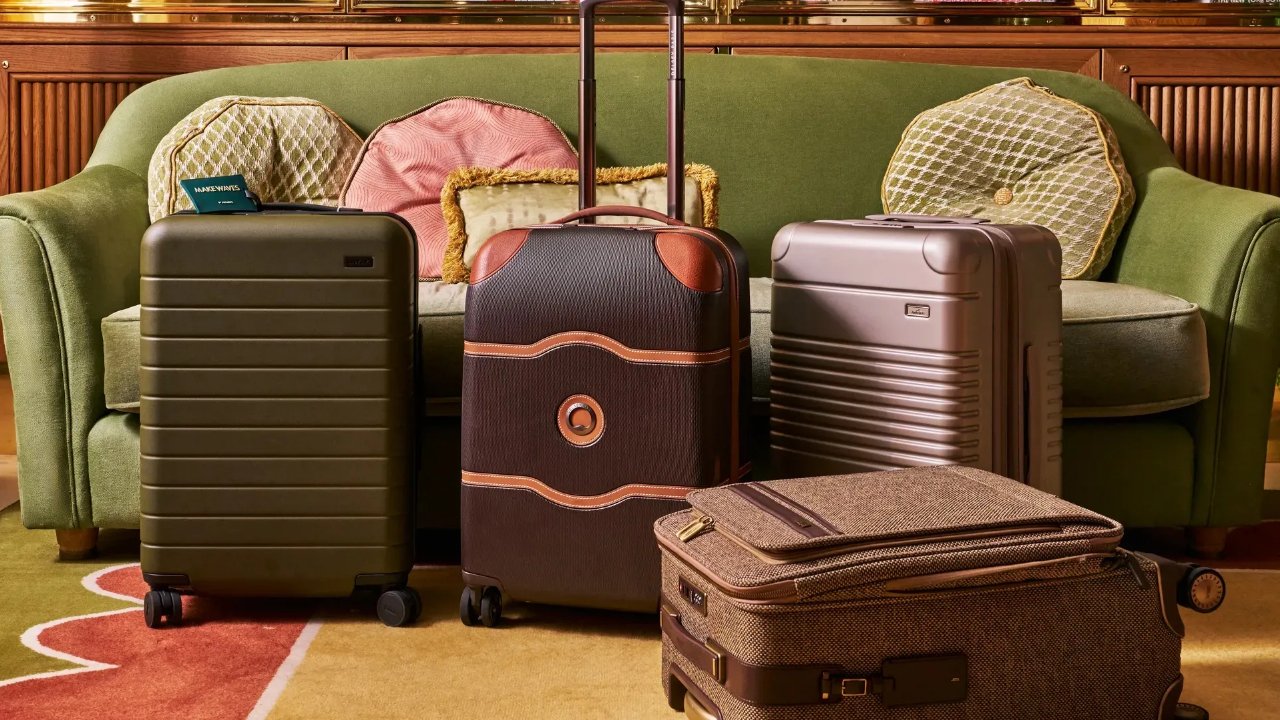


How to Choose the Perfect Luggage for Stress-Free Travel
- October 14, 2026
- 0
Travel is exciting until you realize your luggage is making the journey harder than it needs to be. A suitcase that is too heavy, a handle that sticks,


9621 Agnes Crossing, Lake Suzanneview, New Mexico Island 84604-9295.
Travel is exciting until you realize your luggage is making the journey harder than it needs to be. A suitcase that is too heavy, a handle that sticks,
Travel is exciting until you realize your luggage is making the journey harder than it needs to be. A suitcase that is too heavy, a handle that sticks, wheels that struggle on uneven pavement, or compartments that never seem to hold the right things can turn a simple trip into a series of small frustrations. Choosing the right luggage before you travel can prevent many of those problems.
The best luggage is not necessarily the largest, most expensive, or most fashionable option. It is the one that matches the way you travel. A frequent flyer may need something compact and durable, while someone who takes long family holidays may care more about capacity and organization. A weekend traveler might prefer a lightweight carry-on that can move quickly through airports and fit easily into smaller spaces.
Your destination matters too. Smooth airport floors are very different from cobbled streets, train platforms, hotel staircases, and narrow sidewalks. The right luggage should work in the places where you are actually going, not just look good in a product photo.
Fortunately, choosing well becomes much easier when you break the decision into a few practical questions. You can compare size, weight, wheels, materials, handles, storage, security, and comfort without getting lost in dozens of specifications.
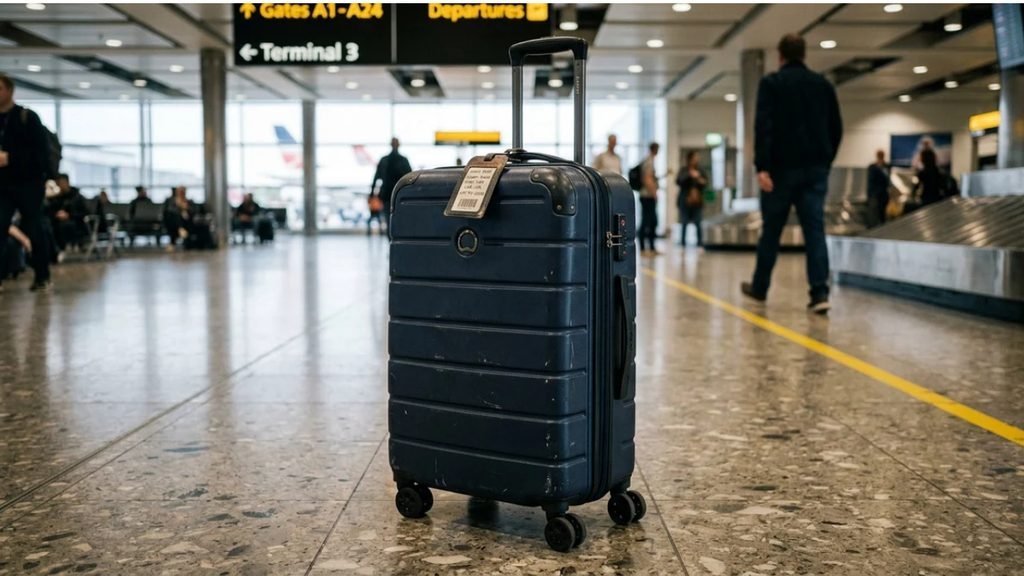
Before comparing luggage, think about how you normally travel. Your habits can tell you more about what you need than a long list of technical features.
Do you usually take short city breaks, week-long holidays, business trips, or longer international journeys? Do you check a suitcase or try to travel with only a carry-on? Do you move between several hotels, or do you unpack once and stay in one place?
Frequent flyers often benefit from luggage that is lightweight, easy to maneuver, and simple to organize. If you regularly take trains or walk between hotels, smooth wheels and a comfortable handle become particularly important.
Someone who travels mostly by car may have different priorities. Weight may matter less if the luggage spends most of the journey in a trunk, while capacity and easy packing could become more important.
Consider your packing habits too. Some people carefully plan every outfit, while others pack extra clothing just in case. If you tend to overpack, buying a larger suitcase may not solve the problem. It may simply encourage you to bring even more.
The right luggage should support your habits without making them worse. Think about your last few trips and remember what annoyed you most. That list is a useful starting point.
Size is one of the most important decisions because a suitcase that is too small becomes frustrating, while one that is unnecessarily large becomes difficult to carry and transport.
For short trips, a compact carry-on may be enough. Longer vacations may require a larger checked suitcase, especially if you need additional shoes, layers, toiletries, or equipment.
Airline restrictions are another reason to pay attention to dimensions. Carry-on rules vary by airline and can change, so check the requirements for your specific flight before buying luggage. Do not assume that a suitcase marketed as a carry-on will automatically meet every airline’s rules.
Think about how much space you actually use. A suitcase that expands can be useful when you need flexibility, but an expandable design should not encourage you to exceed weight limits.
It is also worth considering the physical size of the luggage when it is fully packed. Can you lift it comfortably? Can you fit it into a train luggage rack? Can you maneuver it through a narrow hotel hallway?
The perfect luggage size is the one that gives you enough capacity without becoming a burden.
If you frequently take both short and long trips, having two different suitcase sizes may be more practical than trying to make one oversized case work for everything.
An empty suitcase already has a certain weight before you put anything inside. That makes luggage weight an important consideration, especially when airlines impose strict baggage limits.
A lightweight suitcase can give you more room within the same airline weight allowance. It can also be easier to lift into a car, onto a train, or onto a hotel bed while packing.
However, lighter does not automatically mean better. A suitcase still needs to be sturdy enough for the way you travel. The goal is to find a sensible balance between low weight and durability.
Think about what you actually pack. If you often carry heavy shoes, books, camera equipment, or other dense items, a lightweight case can make a noticeable difference.
Do not judge luggage only by how light it feels when empty. Check the construction, wheels, handles, zippers, and overall design too.
For frequent travelers, saving even a small amount of weight can become valuable over dozens of trips. For occasional travelers, the difference may be less important than other features.
The best choice depends on your priorities. Weight should be considered alongside capacity, durability, and maneuverability rather than treated as the only measurement that matters.
Hard-shell and soft-sided luggage each have advantages. Your choice should depend on how you travel and what you normally pack.
Hard-shell cases can provide a structured exterior and may offer useful protection for certain belongings. They are also easy to wipe clean and can look neat even when packed.
Soft-sided luggage can provide flexibility, especially when you need to squeeze the case into a tight storage area. Exterior pockets can also make frequently needed items easier to access.
Neither construction is automatically perfect for everyone.
If you often pack fragile items, consider how the luggage is constructed and how those belongings are protected inside. If you regularly use trains and need quick access to documents, chargers, or other small items, external organization can be useful.
Look beyond the shell itself. Zippers, seams, wheels, handles, and internal compartments all contribute to how well luggage performs.
Your travel environment matters too. If your luggage will spend a lot of time outdoors, moving through wet streets or rough surfaces, durability and easy cleaning may be higher priorities.
Instead of choosing based on whether one material is supposedly better, ask which design fits your actual routine.
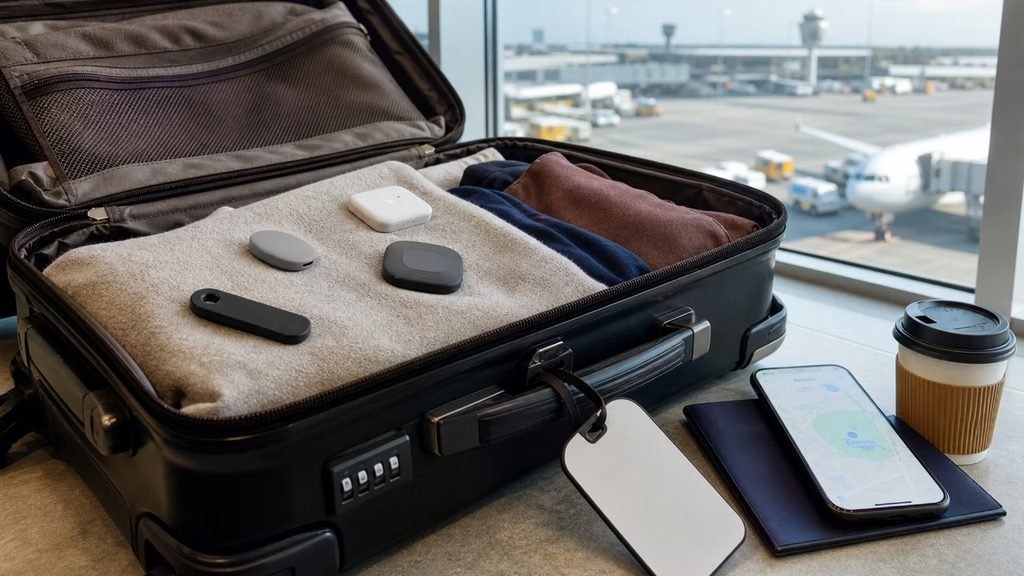
Wheels can make a huge difference to the travel experience. A suitcase that rolls smoothly can feel effortless, while one with poor wheels can become exhausting after only a few minutes.
Many modern suitcases use four spinner wheels that allow the case to move in multiple directions. This can be especially useful in crowded airports because you can roll the luggage beside you rather than dragging it behind you.
Two-wheel designs can also be practical and may perform well on certain uneven surfaces. Think about where you normally travel rather than assuming more wheels automatically means better performance.
Check whether the wheels appear sturdy and properly attached. They are among the parts of luggage most exposed to rough treatment.
Consider maneuverability too. Can you turn the suitcase easily? Does it roll smoothly when fully packed? Does it remain stable when you stop?
If possible, test the luggage before purchasing it. Push it across a floor, turn it around corners, extend the handle, and see how natural the movement feels.
Good wheels will not eliminate every travel challenge, but they can make airports, stations, hotel lobbies, and sidewalks much less tiring.
A suitcase handle is easy to overlook when shopping, but you may use it hundreds of times during a trip.
Look for a telescoping handle that extends smoothly and locks securely. It should feel comfortable at your height and should not wobble excessively while you move.
The handle should also be easy to operate when you are tired or carrying another bag. A complicated mechanism may become irritating when you are rushing for a train or navigating a crowded terminal.
Check the grip as well. If the handle feels uncomfortable in your hand while the suitcase is fully loaded, you may notice that discomfort quickly during longer walks.
Some luggage designs also include additional handles on the top or side. These can make lifting the suitcase easier when placing it into a car or onto a luggage rack.
Small details matter. A sturdy handle may not be the most exciting feature, but it contributes directly to how comfortable the luggage feels in everyday use.
Packing becomes much easier when your luggage has a layout that matches the way you organize your belongings.
Some travelers prefer one large open compartment. Others like divided sections, zipped panels, garment spaces, or smaller pockets for accessories.
Think about what you normally need to reach during a trip. Passport, travel documents, chargers, medication, headphones, and small electronics should be easy to find without forcing you to unpack everything.
Internal compression systems can also help keep clothing organized and prevent the contents from shifting.
However, more compartments are not always better. Too many small sections can make packing awkward, especially if you prefer to use packing cubes.
Consider your existing packing system. If you already use cubes or organizers, a simple interior may actually work better.
The best luggage organization is the one that helps you find things quickly and pack without frustration.
Before buying, imagine packing for a real trip. Where would your shoes go? Where would dirty clothing go? Where would toiletries fit? Where would your laptop or documents stay?
If you can answer those questions easily, the design is probably suited to your habits.
Security should be part of your luggage decision, especially when traveling internationally or carrying valuable belongings.
Many suitcases include lock systems or can accommodate travel locks. Some designs use TSA-compatible locks, which are intended to allow authorized security personnel to inspect locked baggage without damaging the lock in applicable locations.
A lock does not make your belongings completely secure, so use sensible precautions. Keep valuables, important documents, and irreplaceable items with you whenever possible.
Security also includes the quality of zippers and closures. A well-made zipper should move smoothly and remain securely closed.
Think about identification as well. A distinctive luggage tag can make it easier to recognize your suitcase, while a unique color or pattern can reduce the chance of accidentally picking up someone else’s similar-looking case.
You can also place contact information inside your luggage in case an exterior tag becomes detached.
Good luggage security is not about making the suitcase impossible to open. It is about adding sensible protection while keeping your travel routine practical.

The material used in luggage affects weight, durability, flexibility, and appearance.
Common suitcase materials include different types of plastics and textiles, each with its own characteristics. Rather than choosing a material simply because it is popular, think about the environments where you will use the case.
If you frequently travel by air, durability may be especially important because checked luggage can experience rough handling. If you mainly use a carry-on, maneuverability and weight may matter more.
Soft fabrics can provide useful flexibility and exterior pockets. Hard shells can provide a structured shape and easy-to-clean surfaces.
Material quality matters too. Two suitcases made from broadly similar materials can perform very differently depending on construction and reinforcement.
Look at stitching, seams, wheel attachments, handles, zipper quality, and corners. These details often tell you more about long-term usability than a material name alone.
You should also think about maintenance. A suitcase that is easy to wipe down and clean may remain looking better after years of use.
Your goal is not to find a material that is universally superior. It is to find one that makes sense for your travel conditions.
Luggage is practical, but there is no reason it cannot look good too.
Color can have a useful purpose beyond aesthetics. A distinctive suitcase is easier to identify on a baggage carousel than a standard black case surrounded by dozens of similar bags.
Neutral colors can be timeless and easy to match with other travel accessories. Brighter colors or unusual patterns can make identification quicker.
Think about how the luggage will look after several trips. Very light colors may show dirt more easily, while darker shades can hide scuffs.
Design also includes the overall shape. A suitcase with a simple, clean structure may be easier to pack than one with unusual curves that reduce usable interior space.
Lipault is known for travel luggage and bags that combine practical travel design with a distinctive, lightweight-focused aesthetic. Its range includes different luggage styles and sizes, so travelers can consider appearance alongside everyday functionality.
You do not need to sacrifice personality for practicality. The best luggage can fit your travel style while still handling the practical demands of airports, stations, hotels, and city streets.
Your destination can change what you need from a suitcase.
A business trip to a major city may call for compact luggage that moves easily through airports, taxis, trains, and hotel corridors. A beach holiday may require more space for clothing and accessories. A multi-city European trip can make lightweight, maneuverable luggage especially valuable because you may carry it more often.
Think about the surfaces you will encounter. Smooth airport floors are easy, but cobblestones and uneven sidewalks can be much harder on wheels.
Weather matters too. If you are traveling somewhere rainy, consider how well the exterior and closures can protect your belongings from moisture.
For cold destinations, bulky clothing can quickly consume space. Compression features or expandable capacity may become useful.
For warm destinations, you may need less clothing but more room for shoes, swimwear, or other accessories.
The right luggage should match the trip rather than being chosen independently from it.
Before every major journey, make a quick mental map of how you will move. Airport to train, train to hotel, hotel to taxi, taxi to apartment. The more often you will carry or roll the suitcase, the more important weight and maneuverability become.

Price matters, but the cheapest luggage is not always the most economical choice.
A very inexpensive suitcase may seem appealing until a wheel breaks, a zipper fails, or the handle becomes difficult to extend. On the other hand, the most expensive suitcase is not automatically the best option for your needs.
Set a budget based on how often you travel and how demanding your trips are.
Someone who travels several times every month may benefit from spending more on durability and construction. Someone who travels once every few years may reasonably prioritize basic functionality and value.
Look at the total package rather than one feature. A suitcase with excellent wheels but poor organization may not suit you. Another with a beautiful interior but excessive weight may be frustrating.
Sales and promotions can also make higher-quality luggage more accessible. If you already know which features you want, you can wait for an appropriate offer rather than buying the first suitcase you see.
A good budget should leave room for quality without encouraging unnecessary spending.
The aim is to buy luggage once and use it comfortably for many trips.
If you can see luggage in person, take advantage of the opportunity to test it.
Pull the handle all the way up. Does it feel stable? Push the suitcase forward and turn it. Do the wheels move smoothly? Lift it by the side and top handles. Does the grip feel comfortable?
Open the main compartment and imagine packing it for your next trip.
Check whether the zipper feels smooth. Look at the seams and corners. Make sure the wheels are firmly attached and that the case does not feel awkward when tilted.
If you are shopping online, study the measurements carefully and read the product specifications. Pay attention to both empty weight and dimensions.
Customer reviews can also reveal recurring issues, especially when multiple travelers mention the same problem. Look for detailed comments about long-term use rather than focusing only on star ratings.
The goal of testing is simple: remove surprises before you travel.
Luggage can look excellent in photographs while feeling uncomfortable in real life. A few minutes of practical testing can tell you whether the design works for you.

Choosing luggage is only one part of making travel easier. The accessories you use alongside your suitcase can also improve organization.
Packing cubes can separate clothing by category or outfit. A small toiletry bag can prevent liquids from spreading through your luggage. A dedicated electronics pouch can keep chargers and cables together.
A lightweight personal bag can hold items you need during transit, while the suitcase carries the rest.
Try not to overfill every available pocket. An organized suitcase should still have enough space for things you acquire during the trip.
Labeling can help too. A simple luggage tag with accurate contact information can make identification easier.
Before leaving home, check the weight of your packed luggage if you are flying. It is much easier to remove an item at home than to rearrange everything at an airport counter.
A little preparation can make the entire travel experience smoother.
The best luggage setup is not necessarily the one with the most accessories. It is the one that lets you move through your trip without constantly searching, lifting, repacking, or worrying about your belongings.
The right suitcase can make a surprisingly large difference to how you experience a journey. Start by considering your travel style, then look at size, weight, wheels, handles, organization, security, materials, and destination. Once those priorities are clear, shopping becomes much easier.
Do not choose luggage simply because it looks attractive or because it is popular. Choose it because it makes sense for the way you actually travel. A frequent traveler may value durability and maneuverability, while an occasional traveler may prioritize price and capacity.
It is also worth remembering that there is no single suitcase that is perfect for everyone. The perfect choice is personal. It should fit your packing habits, physical comfort, transportation methods, and destinations.
Lipault is worth considering when you want travel luggage that combines practical features with a clean, distinctive design. Before buying your next suitcase or travel bag, it is also smart to check for available coupons, and WellnGoods provides 100% Verified Lipault coupon codes to help travelers save on eligible purchases.