The Powerful Rise of Fiber-Rich Foods: 14 Reasons They’re Having a Major Wellness Moment
August 9, 2026
0
Fiber-rich foods are having a major wellness moment, and unlike many short-lived nutrition trends, this one has a solid foundation. From berries and oats to beans, vegetables, nuts,
Fiber-rich foods are having a major wellness moment, and unlike many short-lived nutrition trends, this one has a solid foundation. From berries and oats to beans, vegetables, nuts, seeds, and whole grains, more people are paying attention to foods that can add dietary fiber to their everyday meals.
For years, nutrition conversations often revolved around protein, calories, supplements, and restrictive eating plans. Now, attention is shifting toward the overall quality of what people eat. That includes getting enough fiber through a varied diet filled with plant foods.
The renewed interest doesn’t mean you need to completely change your eating habits or buy expensive products. In fact, some of the easiest ways to eat more fiber involve ordinary foods that have been available for generations. The real wellness opportunity is learning how to include them consistently and naturally.
Fiber-Rich Foods Are Finally Getting the Attention They Deserve
For a long time, dietary fiber was mostly discussed in connection with digestion. While that remains an important reason to include it, the role of fiber extends beyond one part of the body.
Many foods naturally containing fiber also provide vitamins, minerals, healthy fats, protein, and other beneficial compounds. Beans, for example, can provide both protein and fiber, while fruits and vegetables contribute a variety of micronutrients alongside their fiber content.
That makes fiber-rich foods particularly useful because improving one part of your diet can also improve overall dietary variety. Instead of treating fiber as something that needs to be added separately, you can get it naturally by eating a wider range of nutritious foods.
Fiber-Rich Foods Can Support Healthy Digestion
One of the best-known reasons to include more dietary fiber is its relationship with digestive health. Different forms of fiber behave differently as they move through the digestive system, with some helping add bulk and others interacting with water.
This is one reason variety matters. Eating several different plant foods allows you to consume different types of fiber instead of depending entirely on one ingredient.
If your current diet contains relatively few fruits, vegetables, legumes, or whole grains, gradually adding more can be a practical way to improve your overall eating pattern. The goal doesn’t have to be a dramatic overnight transformation.
Fiber-Rich Foods Can Make Meals More Satisfying
Foods containing fiber can contribute to feelings of fullness, especially when they’re combined with protein and healthy fats. This can make meals feel more substantial without requiring complicated recipes.
Consider a breakfast containing oats, fruit, nuts, and yogurt. It provides several different nutrients and textures, creating a more varied meal than one built around a single refined ingredient.
This doesn’t mean dietary fiber is a magic solution for appetite or eating habits. Instead, it highlights why balanced meals built from a variety of whole and minimally processed foods can be satisfying and nutritionally useful.
Fiber-Rich Foods Are Closely Connected to Plant Foods
You don’t need to follow a plant-based diet to benefit from eating more plant foods. However, many naturally high-fiber choices come from plants.
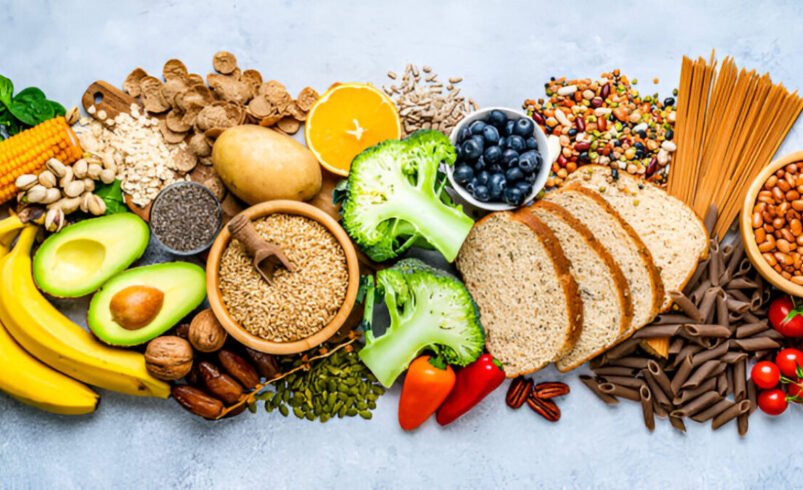
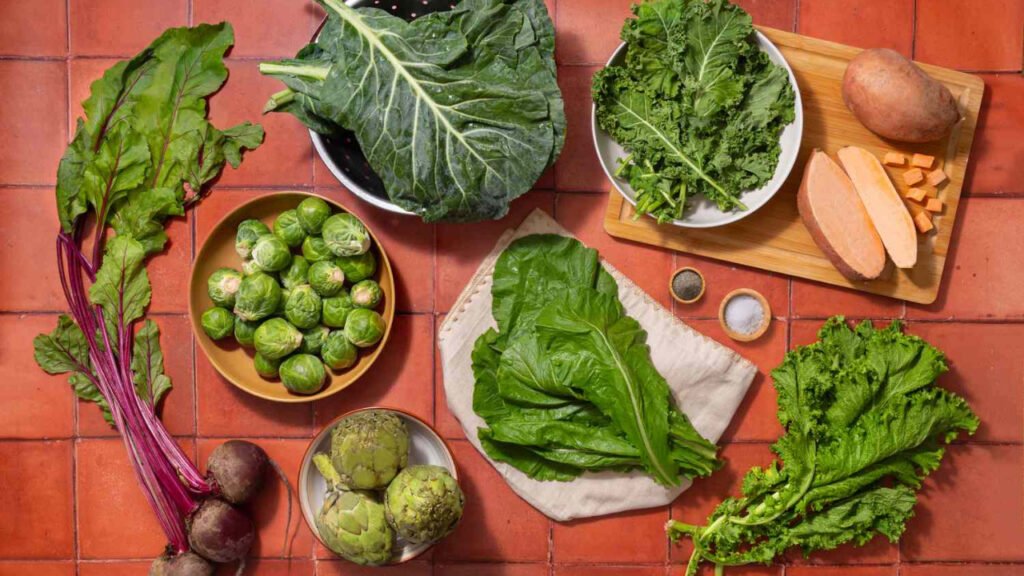
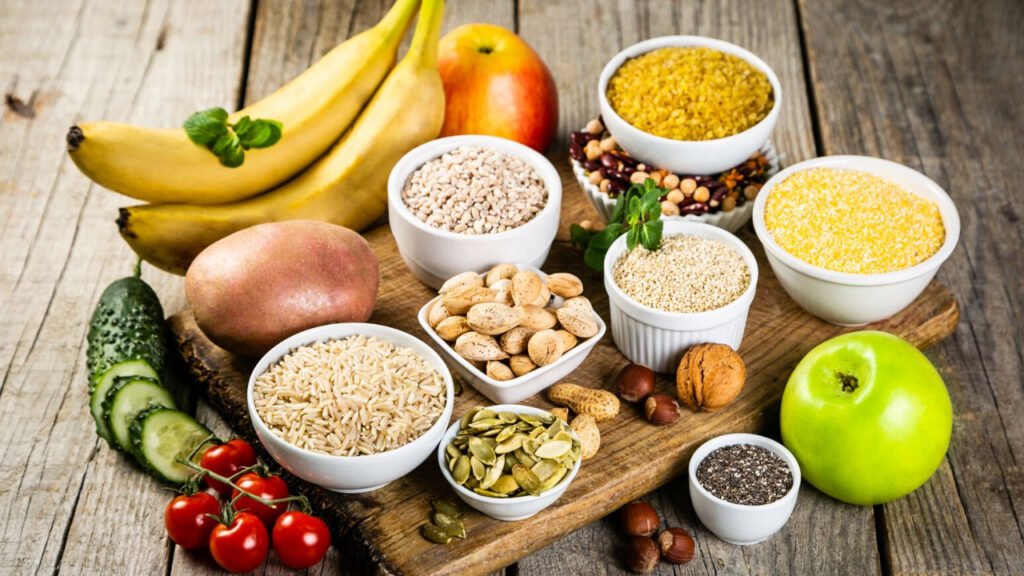
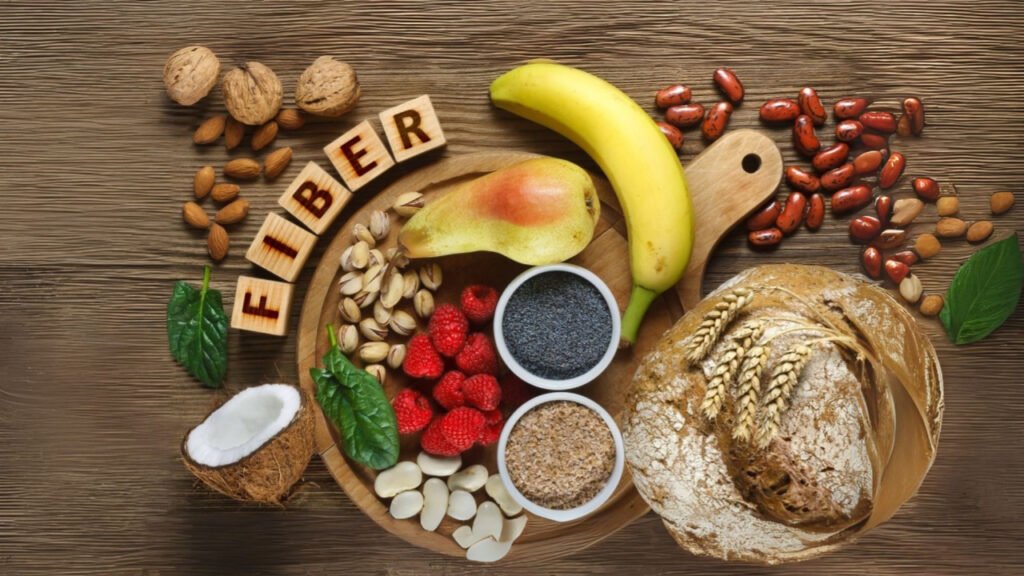
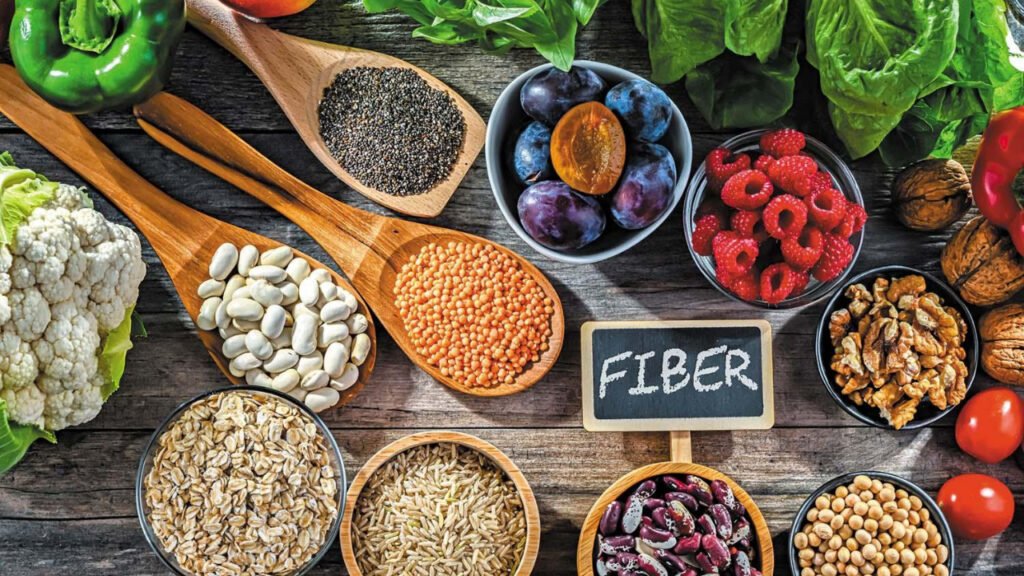
Beans, lentils, chickpeas, fruits, vegetables, whole grains, nuts, and seeds can all contribute to your daily intake. These foods can be incorporated into familiar meals without requiring an entirely different approach to cooking.
A bean-based soup, a fruit snack, vegetables added to lunch, or whole-grain toast at breakfast can all become simple parts of a more varied eating pattern.
Fiber-Rich Foods Can Provide More Than Fiber
One of the biggest advantages of getting fiber from whole foods is that you’re rarely getting just one nutrient. Many sources also provide important vitamins, minerals, protein, healthy fats, or other plant compounds.
Nuts and seeds, for example, can provide fiber alongside unsaturated fats. Legumes can offer both fiber and protein, while whole grains can contribute fiber and other nutrients.
This is why looking at the entire food is more useful than chasing a single number on a nutrition label. A food’s value comes from its overall nutritional package.
Fiber-Rich Foods Are More Than a Breakfast Trend
Social media has made high-fiber breakfasts increasingly popular. Overnight oats, chia puddings, fruit bowls, whole-grain toast, and other colorful recipes frequently appear in wellness content.
But there’s no reason to limit your intake to breakfast. Lunch, dinner, and snacks can all provide opportunities to include more plant foods.
A vegetable-filled sandwich, lentil soup, bean-based dinner, piece of fruit, or handful of nuts can all contribute. Thinking about dietary fiber across your entire day is much more practical than trying to get a huge amount from one meal.
Fiber-Rich Foods Come in Many Different Forms
Fiber isn’t one single substance that behaves identically in every food. Different types have different characteristics, which is another reason variety is useful.
Some forms interact with water, while others contribute more bulk within the digestive system. Many foods contain a mixture of different types, making it unnecessary to become overly focused on finding one perfect source.
A varied selection of fruits, vegetables, legumes, whole grains, nuts, and seeds can naturally expose your diet to different forms while also providing a broader range of nutrients.
Fiber-Rich Foods Are Affordable and Accessible
One of the best things about this wellness trend is that you don’t need expensive specialty products. Many everyday foods that provide dietary fiber are inexpensive, widely available, and easy to prepare.
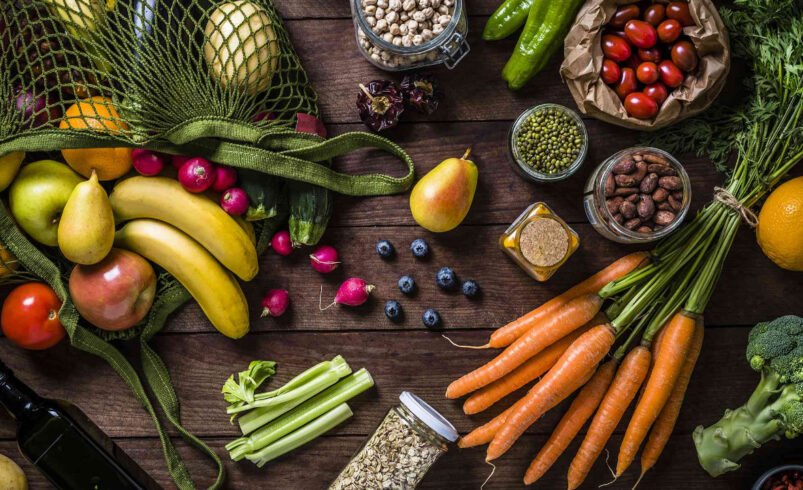
Beans, lentils, oats, apples, pears, vegetables, and whole grains can all become staples without requiring a major increase in your grocery budget.
This makes improving your diet more realistic. Instead of searching for a trendy ingredient, you can start with foods already available at your local supermarket and gradually find ways to include more of them.
Fiber-Rich Foods Aren’t a Reason to Buy Every Wellness Product
The growing interest in dietary fiber has created a market for cereals, snack bars, drinks, powders, and other products advertising their fiber content.
A product claiming to be high in fiber isn’t automatically the best option. It’s still important to consider the complete nutrition label, including added sugars, sodium, saturated fat, and the overall ingredient list.
Whole and minimally processed foods can provide dietary fiber alongside many other nutrients. Packaged products can have a place in a balanced diet too, but a single marketing claim shouldn’t determine whether a food is a good choice.
Fiber-Rich Foods Should Be Added Gradually
If your current diet is low in dietary fiber, making a huge increase all at once may cause digestive discomfort. Your body may need time to adjust to the change.
A gradual approach can be easier. You could add fruit to breakfast, include vegetables with lunch, choose whole grains more frequently, or add beans to a familiar dinner.
Drinking enough fluids is also important when increasing your fiber intake. Instead of trying to completely redesign your diet in one day, small changes can allow your habits and digestion to adjust naturally.
Fiber-Rich Foods Work Best in a Varied Diet
There isn’t one perfect source of dietary fiber. Each food brings a different combination of nutrients, so variety is more valuable than relying heavily on a single ingredient.
Fruits, vegetables, legumes, whole grains, nuts, and seeds can all play different roles. Including several categories throughout the week can create a more diverse nutritional foundation.
This also makes eating more enjoyable. Rather than repeatedly eating the same “superfood,” you can experiment with different flavors, cuisines, textures, and recipes while naturally increasing your intake of plant foods.
Fiber-Rich Foods Reflect a Bigger Wellness Shift
The renewed attention toward dietary fiber reflects a broader change in wellness culture. More people are becoming interested in everyday habits that support a balanced lifestyle instead of relying entirely on dramatic transformations or restrictive diets.
That is one reason this trend has staying power. Eating more plant foods doesn’t require a complicated routine. It can simply mean adding an extra serving of vegetables, choosing whole grains, or keeping fruit available for snacks.
The most useful wellness habits are often the ones that can become normal parts of everyday life.
Fiber-Rich Foods Don’t Need to Become an Obsession
Nutrition trends can become unhelpful when people feel pressured to track every gram or judge individual foods as completely good or bad.
There is no need to turn dietary fiber into another source of stress. If your meals regularly include fruits, vegetables, legumes, whole grains, nuts, and seeds, you’re already incorporating a range of fiber sources.
Healthy eating is about the overall pattern. A varied diet that you can enjoy and maintain is more useful than trying to achieve nutritional perfection at every meal.
Fiber-Rich Foods Are One of the Most Practical Wellness Trends
Perhaps the strongest argument for this trend is its simplicity. You don’t need specialized equipment, expensive supplements, or complicated recipes to eat more plant foods.
Add berries to breakfast, choose oats or whole-grain bread, include beans with dinner, snack on fruit, or add vegetables to meals you already enjoy. These small changes can gradually shift your overall eating pattern.
Unlike many wellness trends that require constant effort, these habits can become almost automatic once they’re part of your normal routine. That’s what gives this trend the potential to last beyond its social media popularity.
Conclusion
The growing popularity of fiber-rich foods is one wellness trend that deserves to stick around. Dietary fiber is naturally found in a wide range of nutritious foods, and increasing the variety of plant foods in your diet can be a practical way to improve your overall eating pattern.
The easiest approach is to keep things simple. Include more fruits and vegetables, experiment with beans and lentils, choose whole grains when possible, and add nuts or seeds to meals and snacks. If you’re currently eating very little fiber, increase your intake gradually rather than making a dramatic change overnight.
You also don’t need to buy every product marketed around fiber. Ordinary foods can provide plenty of opportunities to build a more varied diet. Instead of chasing the latest wellness hack, focus on habits that are realistic enough to continue.
That may be the biggest reason this trend is worth paying attention to. Fiber-rich foods aren’t a complicated new discovery. They’re familiar foods that can become part of a balanced, varied diet—and sometimes the most powerful wellness habits are the simplest ones.