The Amazing Results of Eating Greek Yogurt for 14 Days
August 29, 2026
0
Greek yogurt has become a popular choice for people looking for convenient, protein-rich foods that can fit easily into everyday meals. It’s creamy, versatile, and simple enough to
Greek yogurt has become a popular choice for people looking for convenient, protein-rich foods that can fit easily into everyday meals. It’s creamy, versatile, and simple enough to eat on its own while also working well with fruit, oats, nuts, seeds, and countless other ingredients.
So, what happens when you eat it every day for 14 days?
This isn’t a scientific experiment, and eating one food for two weeks won’t produce identical results for everyone. Instead, the experience offers a practical look at how a consistent food choice can influence your meals, your routine, and the way you think about everyday nutrition.
After two weeks, the biggest discoveries aren’t necessarily dramatic. They’re about convenience, variety, protein, choosing better products, and understanding why a food can be useful without needing to be treated as a miracle ingredient.
Greek Yogurt Made My Mornings Much Easier
One of the first things I noticed was how convenient Greek yogurt was. It needed almost no preparation, which made it useful on mornings when I did not want to spend much time making breakfast. I could take it from the refrigerator, spoon it into a bowl, and start eating within a few minutes. There was no cooking, chopping, or long cleanup afterward.
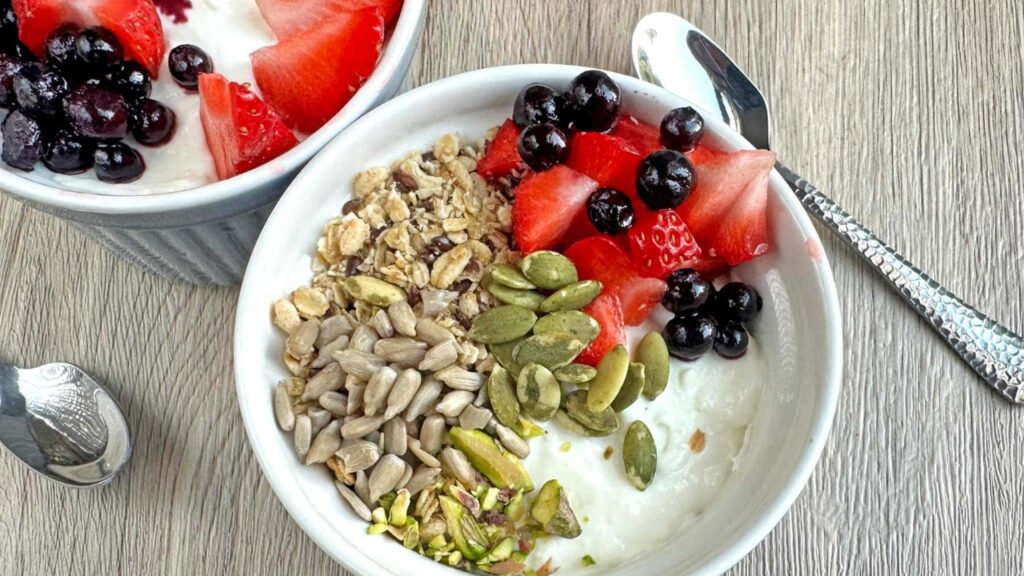
A plain bowl could also become a fuller meal with a few simple additions. Fresh berries or a sliced banana added sweetness and flavor. Oats made it more filling, while nuts and seeds gave the bowl a little crunch. On other mornings, I might add honey, cinnamon, or whatever fruit happened to be available. These small changes kept breakfast from feeling repetitive without requiring a new recipe each day.
That flexibility helped when my schedule changed. If I had time to sit down, I could build a more complete bowl and eat it slowly. On a rushed morning, I could keep the portion simple or prepare it in a container to take with me. Greek yogurt also worked well as a base because it paired with foods already found in many kitchens. There was no need to shop for special ingredients or plan several steps ahead.
This made it easier to keep breakfast consistent. Instead of deciding what to cook each morning, I had a ready-made starting point. The rest depended on what I wanted and what I had on hand. A bowl with fruit felt fresh and light, while yogurt with oats, nuts, or seeds made a more substantial meal. Even leftovers from a previous grocery trip could find a place on top.
The lack of preparation mattered more than I expected. Breakfast is easy to skip when it takes too much time, especially during busy workdays or early starts. Greek yogurt removed much of that effort. It offered a simple base that could be served almost at once, then changed to suit different tastes and routines.
That convenience may be one of the biggest reasons yogurt has become such a popular everyday food. It fits into rushed mornings, planned meals, and quick snacks without demanding much work. Its appeal does not depend on one fixed recipe. The same container can support several different breakfasts, which makes it easy to keep buying and eating as part of a regular routine.
Greek Yogurt Gave My Breakfast More Protein
Protein is one of the main reasons people choose Greek yogurt. The exact amount varies between brands and products, but many varieties provide a substantial amount compared with some other common breakfast foods.
Adding it to breakfast made the meal feel more substantial, especially when combined with other nutritious ingredients. It also demonstrated that getting more protein doesn’t necessarily require complicated recipes or specialized foods.
The important thing is to look at the nutrition label rather than assuming every container provides the same amount.
Greek Yogurt Was More Versatile Than I Expected
Eating the same food for 14 days sounds like it could become repetitive, but Greek yogurt turned out to be surprisingly flexible.
It could be combined with berries and oats in the morning, used as a snack later in the day, or incorporated into savory recipes. Plain varieties were particularly useful because they didn’t force every meal in a sweet direction.
That versatility made it easier to keep the experiment interesting. Instead of eating exactly the same bowl every day, I could change the ingredients around it.
Greek Yogurt and Fruit Became an Easy Combination
Fruit quickly became one of my favorite additions. Berries, bananas, apples, peaches, and other fruits all brought different flavors and textures to the yogurt.
Fruit also provides its own nutrients and natural sweetness, making it an easy way to make plain yogurt more appealing.
The combination reminded me that healthy eating doesn’t have to involve complicated recipes. Sometimes, simply putting two nutritious foods together can create a meal or snack that feels much more satisfying.
Greek Yogurt Became My Convenient Snack Option
One unexpected benefit was having an easy snack already available in the refrigerator.
Instead of looking for something completely different whenever I wanted a snack, I could use yogurt as a base and change it depending on what I wanted. Fruit made it sweeter, while nuts and seeds added crunch and variety.
It wasn’t about making every snack perfectly nutritious. It was simply about having a practical option that could be adjusted to fit the moment.
Greek Yogurt Made Me Pay More Attention to Labels
Eating yogurt every day also made it obvious that not all products are created equally. Two containers can both be labeled Greek yogurt while having noticeably different amounts of protein, sugar, fat, and other ingredients.
Flavored products especially deserve a closer look because some contain considerably more added sugar than plain varieties.
The front of the package can make a product look impressive, but the nutrition facts and ingredient list tell you much more about what’s actually inside.
Greek Yogurt Doesn’t Have to Be Fat-Free
Another thing I noticed was how many different varieties are available. You can find nonfat, low-fat, and full-fat options, each with different nutritional profiles and textures.
There’s no need to assume that one version is automatically the best choice for everyone. Personal preferences, the rest of the meal, and your overall diet all matter.
Instead of choosing based purely on a label such as “low-fat,” it’s more useful to look at the complete product and decide whether it fits your eating pattern.
Greek Yogurt Can Contain Live Cultures
Many yogurt products are made using bacterial cultures, and some contain live cultures when they’re consumed. This is one reason yogurt frequently appears in discussions about gut health.
However, the presence of cultures doesn’t mean every yogurt product has identical effects. Different products can contain different microorganisms, and research into specific cultures and their potential effects continues.
It’s therefore better to view yogurt as one nutritious food that can be part of a varied diet rather than expecting it to solve every digestive-health concern.
Greek Yogurt Made Healthier Snacks Feel More Enjoyable
One of the easiest ways to make yogurt more interesting was to treat it as a base rather than a finished dish.
Adding fruit, oats, nuts, seeds, or other toppings created different combinations without requiring much effort. The same container could produce a completely different snack depending on what I added.
That flexibility also made it easier to avoid the feeling that eating nutritious food means eating the exact same thing repeatedly.
Greek Yogurt Helped Me Appreciate Less-Sweet Foods
Plain Greek yogurt can taste quite different from heavily sweetened varieties. At first, its natural tanginess can be noticeable, but pairing it with fruit and other ingredients can make the flavor much easier to enjoy.
Over time, I found that I didn’t necessarily need a heavily sweetened product to make yogurt enjoyable.
This doesn’t mean flavored yogurt has no place in a balanced diet. It simply showed how small ingredient changes can make it possible to enjoy a less-sweet option.
Greek Yogurt Wasn’t Just for Breakfast
The experiment also changed how I thought about yogurt. It didn’t have to be limited to breakfast.
It could work as an afternoon snack or become part of a savory meal. Plain yogurt can be incorporated into different recipes, which makes it useful beyond the traditional fruit-and-yogurt bowl.
That versatility makes it easier to keep the food in your routine without feeling like you’re eating the same meal repeatedly.
Greek Yogurt Isn’t Automatically the Healthiest Product
The biggest lesson from the two weeks was that a food’s reputation shouldn’t replace reading the label.
Greek yogurt can provide useful protein and other nutrients, but some products also contain substantial amounts of added sugar or other ingredients worth considering.
Calling something a “superfood” doesn’t make every version of it equally nutritious. The specific product matters, as does the rest of your diet.
Greek Yogurt Can Fit Into Different Eating Patterns
Another reason Greek yogurt is popular is its flexibility. It can be combined with many different foods and adapted to different preferences.
You can choose plain or flavored varieties, different fat levels, and different toppings. It can be part of a quick breakfast, a snack, or a larger meal.
That makes it easier to personalize than foods that are designed for only one particular use.
Greek Yogurt Isn’t a Magic Health Food
After 14 days, the most important realization was that one food isn’t capable of transforming an entire diet.
Greek yogurt can provide protein and other nutrients, but it doesn’t replace fruits, vegetables, whole grains, legumes, nuts, seeds, or other foods that contribute to dietary variety.
The value comes from how it fits into the bigger picture. A varied diet is much more important than eating one supposedly perfect food every day.
Conclusion
Eating Greek yogurt every day for 14 days revealed why this simple food has become such a popular part of modern eating habits. It’s convenient, versatile, protein-rich, and easy to combine with other nutritious foods.
The experience also showed why it’s important to look beyond the health claims on the packaging. Different products can contain very different amounts of protein, added sugar, fat, and other ingredients, so checking the nutrition facts is essential.
There wasn’t one dramatic transformation after two weeks, and that’s arguably the most useful takeaway. Good nutrition doesn’t need to come from extreme challenges or miracle foods. It can come from repeatedly choosing practical foods that provide useful nutrients and fit comfortably into everyday life.
Greek yogurt doesn’t need to be eaten every day, and it doesn’t need to be considered a superfood. But if you enjoy it, it can be a convenient and flexible part of a varied diet.