The Surprising Benefits of Eating More Protein: 13 Reasons Everyone Is Eating More
August 1, 2026
0
Eating more protein has become one of the biggest nutrition trends of 2026. Protein bars fill supermarket shelves, high-protein recipes dominate social media, and foods that were once
Eating more protein has become one of the biggest nutrition trends of 2026. Protein bars fill supermarket shelves, high-protein recipes dominate social media, and foods that were once marketed simply as snacks or breakfast staples are now being promoted for their protein content. The trend has moved far beyond bodybuilding culture and into everyday conversations about meals, energy, and healthy eating.
But there’s an important detail behind the hype: more protein isn’t automatically better for everyone. Protein is an essential nutrient that the body needs, but individual requirements vary, and the overall quality of the foods providing it matters too. Harvard’s Nutrition Source notes that many healthy adults already get enough protein, while the source of that protein can make an important difference to overall dietary quality.
Eating More Protein Has Become a Mainstream Trend
Protein once belonged mainly to the world of athletes, bodybuilders, and serious gym-goers. People often linked it with lifting weights, building muscle, and recovering after hard training. That image has changed. Protein now appears in ordinary meals and snacks across grocery stores, restaurants, food ads, and social media feeds. Shoppers can find high-protein yogurt, cereal, bread, pasta, milk, snack bars, frozen meals, and ready-to-drink shakes in many stores.
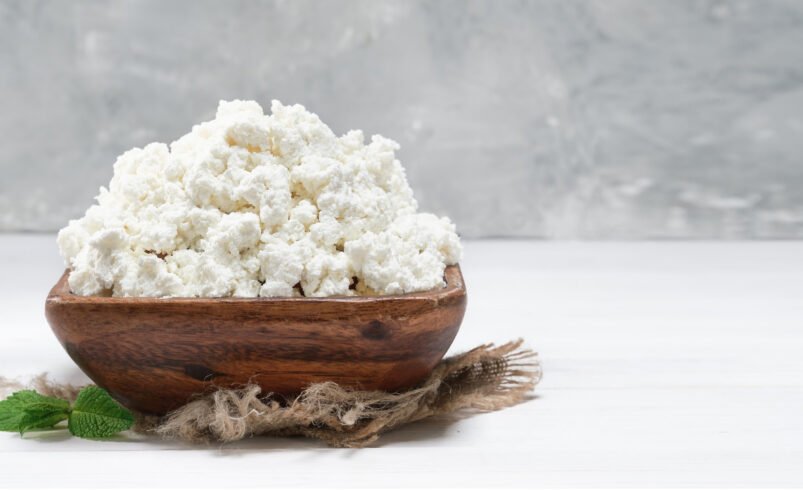
Online content has helped make the trend feel normal and easy to follow. A breakfast video may feature eggs with cottage cheese or yogurt topped with fruit. Lunch posts may focus on chicken bowls, tuna wraps, or lentil salads. Snacks often include protein bars, jerky, cheese, or shakes. Even desserts have joined in, with recipes for protein cookies, puddings, pancakes, and ice cream. These foods appeal to people who want more protein without giving up familiar flavors or convenient meal options.
Part of protein’s appeal comes from how simple the idea seems. Most people understand that protein is a nutrient found in foods such as meat, fish, eggs, dairy products, beans, lentils, nuts, seeds, and soy. Adding one of these foods to a meal can make it feel more filling and complete. Someone might add boiled eggs to toast, beans to a rice bowl, Greek yogurt to breakfast, or chicken to a salad. The change often requires little planning and no major change to the rest of the meal.
That simplicity has helped protein move beyond fitness culture. It now appears in conversations about busy schedules, balanced meals, grocery shopping, and everyday health. For some people, choosing a high-protein product offers a clear way to improve a meal. For others, the label has become part of a wider food trend shaped by advertising and social media. Either way, protein has become a familiar part of daily eating rather than a concern reserved for people who train hard.
Eating More Protein Can Help Support the Body
Protein plays essential roles throughout the body. It’s used to build and maintain tissues and is involved in enzymes, hormones, and other biological processes. Because the body needs amino acids from protein to perform these functions, getting enough protein is an important part of a balanced diet.
That doesn’t mean people need enormous amounts. Protein requirements depend on factors such as age, activity level, health status, and overall diet. The National Academy of Medicine’s general minimum for adults is 0.8 grams per kilogram of body weight per day, although individual needs can differ.
Eating More Protein Can Make Meals More Satisfying
Protein is often associated with feeling fuller after eating, which helps explain why it has become such a popular part of meal planning. Foods containing protein can be combined with vegetables, whole grains, fruits, and healthy fats to create meals that are both nutritious and satisfying.
The important point is that protein works best as part of an overall balanced meal rather than as something that needs to dominate the plate. Harvard’s Healthy Eating Plate recommends including healthy protein sources alongside vegetables, fruits, whole grains, and healthy fats.
Eating More Protein Doesn’t Mean Eating More Meat
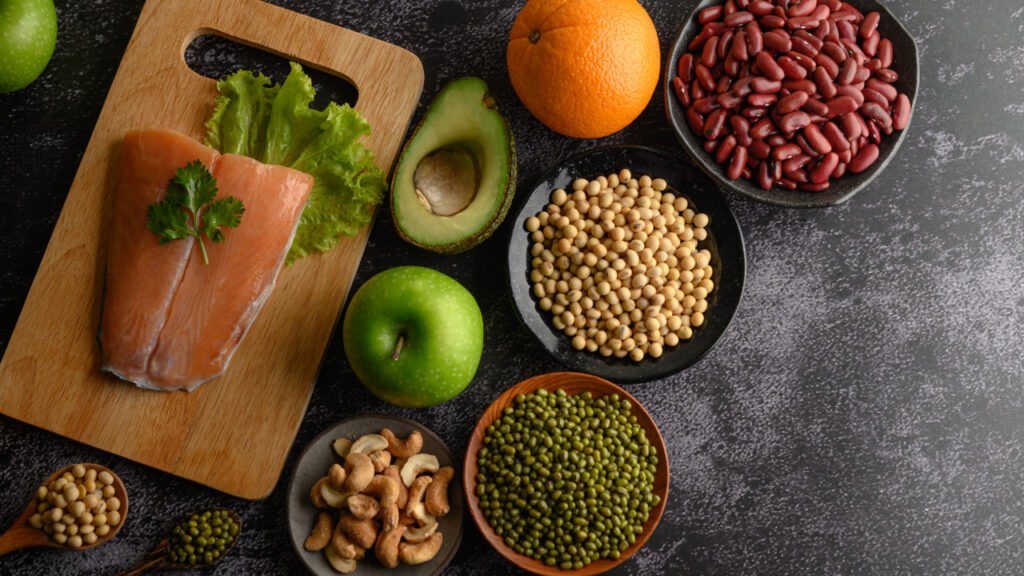
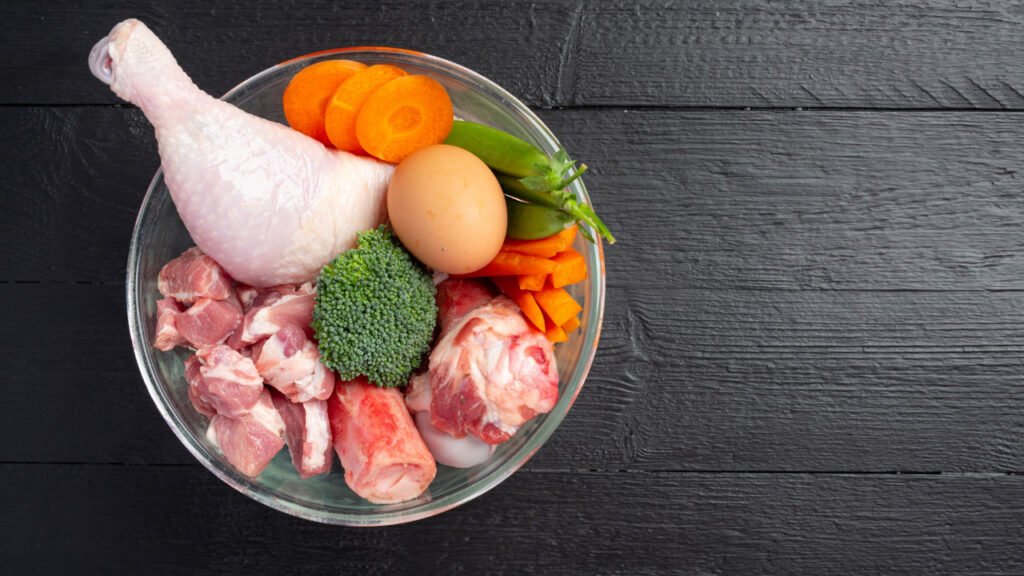
The growing interest in protein has sometimes created the impression that meat is the only meaningful source. That’s far from the case. Beans, lentils, peas, tofu, nuts, seeds, dairy foods, eggs, fish, and poultry can all contribute protein to a varied diet.
Plant-based sources can offer additional nutrients as well. For example, legumes can provide protein and fiber at the same time, while nuts and seeds can contribute protein alongside healthy fats. Choosing a variety of foods makes it easier to build meals around different nutrients rather than focusing on protein alone.
Eating More Protein Has Created a Boom in Food Marketing
Walk through a supermarket today and you’ll likely find “high protein” printed on everything from yogurt and cereal to snack foods and drinks. The popularity of the trend has created a powerful marketing opportunity for food companies.
However, a high-protein label doesn’t automatically make a product nutritious. A product can contain plenty of protein while also being high in added sugar, sodium, saturated fat, or other ingredients you may not want in large amounts. Looking beyond the front of the package and checking the nutrition information provides a much clearer picture.
Eating More Protein Has Made Breakfast Look Different
Breakfast has become one of the biggest stages for the protein trend. Yogurt, eggs, cottage cheese, tofu, beans, nuts, and other protein-containing foods increasingly appear in recipes designed to make the first meal of the day more substantial.
There’s nothing inherently wrong with prioritizing protein at breakfast. The bigger goal should be creating a balanced meal that also provides other important nutrients. Whole grains, fruits, and other nutrient-rich foods can complement protein-containing foods and create a more varied breakfast.
Eating More Protein Has Changed Snacking Habits
Traditional snack foods are increasingly being replaced—or at least accompanied—by products marketed around protein. Protein bars, yogurt, nuts, roasted legumes, and other options are now common choices for people looking for something more substantial between meals.
But snacks don’t need to meet a specific protein target to be worthwhile. The best choice depends on what you actually need at that moment. A varied diet can include different types of snacks, and there’s no requirement that every eating occasion become a protein-focused one.
Eating More Protein Has Made Protein Powders Popular
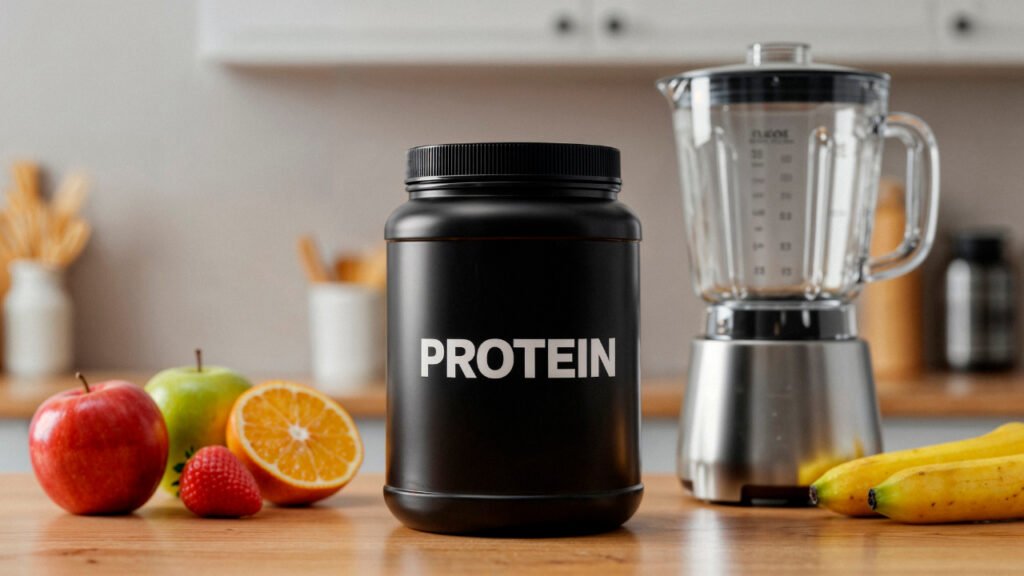
Protein powders have become increasingly visible outside traditional sports nutrition. They’re convenient, easy to mix into drinks or recipes, and can provide a concentrated source of protein.
However, they aren’t necessary for everyone. Harvard notes that protein powders can contain additional ingredients such as added sugars, sweeteners, vitamins, minerals, or thickeners, so reading the label matters. For many people, ordinary protein-rich foods can provide what they need without relying on supplements.
Eating More Protein Can Distract From Fiber
One of the less discussed problems with the protein trend is that focusing heavily on one nutrient can cause people to overlook others. Fiber is particularly important because many people don’t get enough of it.
A June 2026 article from Harvard’s T.H. Chan School of Public Health highlighted foods such as soy, legumes, nuts, seeds, and whole grains because they can provide both protein and fiber. That combination demonstrates why the quality and nutritional package of a food matter more than simply chasing a higher protein number.
Eating More Protein Makes Food Quality Important
Protein isn’t consumed in isolation. When you choose a protein source, you’re also choosing everything else that comes with it, including fats, fiber, sodium, vitamins, and minerals.
For example, Harvard’s Nutrition Source compares different protein foods and emphasizes the importance of the overall “protein package.” Fish, beans, nuts, and poultry can offer different nutritional advantages, while some processed or red meats can bring more sodium or saturated fat.
Eating More Protein Doesn’t Automatically Mean Better Health
The popularity of protein can make it seem as though increasing protein intake is a universal health solution. It isn’t. More isn’t necessarily better, particularly when increasing protein means pushing other nutritious foods out of the diet.
A balanced eating pattern matters more than maximizing one nutrient. Protein is essential, but so are carbohydrates, fats, vitamins, minerals, fiber, and adequate overall energy. A healthy diet should provide variety rather than treating one nutrient as the answer to everything.
Eating More Protein Shouldn’t Become a Competition
Social media can make nutrition feel competitive. People post enormous meals, compare protein numbers, and turn daily eating into a collection of targets. For younger people especially, that kind of content can create unnecessary pressure around food and body image.
Nutrition doesn’t need to be a competition. Your body is still growing and developing during adolescence, so restrictive or highly targeted eating plans aren’t something to pursue without guidance from a parent, doctor, or registered dietitian. A varied diet with regular meals is much more important than hitting an impressive-looking protein number.
Eating More Protein Is Really About Eating Better
The protein trend isn’t entirely hype. Protein is an essential nutrient, and including a variety of healthy protein foods can be part of a nutritious eating pattern. The mistake is assuming that more protein automatically means a healthier diet.
The better lesson is to focus on the whole food. Choose a variety of protein sources, include plenty of fruits and vegetables, eat whole grains and other fiber-rich foods, and don’t let one nutritional trend crowd everything else off your plate. Harvard’s Healthy Eating Plate similarly emphasizes overall diet quality rather than obsessing over a single nutrient.
Conclusion
The rise of eating more protein reflects a genuine interest in nutrition, but the trend has also created plenty of confusion. Protein is essential and can be an important part of balanced meals, yet eating increasingly large amounts isn’t automatically better. What matters is where the protein comes from, what other nutrients come with it, and how it fits into your overall diet.
The smartest way to approach the protein trend is to keep it simple. Include a variety of protein-rich foods, don’t forget fiber and other essential nutrients, and avoid treating social-media nutrition trends as universal rules. Protein deserves a place on the plate—but it doesn’t need to take over the entire plate.