


The Powerful Changes I Noticed After Adding More Fiber for 2 Weeks
- September 2, 2026
- 0
More fiber became the focus of my diet for two weeks, and the experience was less about following a strict plan and more about making small changes to


9621 Agnes Crossing, Lake Suzanneview, New Mexico Island 84604-9295.
More fiber became the focus of my diet for two weeks, and the experience was less about following a strict plan and more about making small changes to

More fiber became the focus of my diet for two weeks, and the experience was less about following a strict plan and more about making small changes to everyday meals. Instead of completely changing what I ate, I started paying more attention to foods naturally containing fiber, including fruits, vegetables, whole grains, beans, lentils, nuts, and seeds.
Fiber is often discussed mainly in relation to digestion, but it is found in a wide range of nutritious foods that can contribute to an overall balanced eating pattern. Increasing it also encouraged me to look more closely at the quality and variety of my meals rather than focusing on one nutrient alone.
Two weeks isn’t long enough to draw major conclusions about long-term health, and individual experiences can differ. Still, the experiment highlighted several practical lessons about making meals more varied, increasing fiber gradually, and choosing foods that are easy to keep in a normal routine.

Breakfast was one of the easiest places to start. Instead of focusing only on what would be quick, I began looking for foods that could naturally contribute more fiber.
Oats, fruit, whole-grain toast, nuts, and seeds became useful options. These foods could be combined in different ways, so breakfast didn’t have to become repetitive.
The biggest change wasn’t a dramatic transformation. It was simply becoming more aware that breakfast could include more than one type of food and that choosing higher-fiber ingredients could make the meal more substantial.
Adding fruit was one of the simplest changes. Apples, pears, berries, bananas, and other fruits could be added to breakfast or eaten as snacks without requiring preparation.
Fruit is useful because it provides fiber alongside other nutrients and naturally occurring sugars. It also offered an easy alternative when I wanted something sweet.
Rather than thinking about fiber as something that had to come from a special product, I started seeing ordinary foods as convenient sources that could fit naturally into my day.
Vegetables became another obvious way to increase my intake. Adding them to lunch and dinner didn’t require completely different recipes.
I could add vegetables to sandwiches, rice dishes, pasta, soups, wraps, or other meals I was already eating. This made the change feel much more realistic than trying to follow an entirely new eating plan.
The variety also helped. Different vegetables brought different textures, flavors, and colors to meals, making the overall diet more interesting.
I also started paying closer attention to the grains I was eating. Whole grains can provide more fiber than refined grain products, making them an easy category to consider when building meals.
Oats, brown rice, whole-grain bread, and other whole-grain options can be incorporated into familiar meals without requiring major changes.
The experience showed me that increasing fiber doesn’t necessarily mean eating unusual foods. Sometimes it simply means choosing a less-refined version of something you already enjoy.
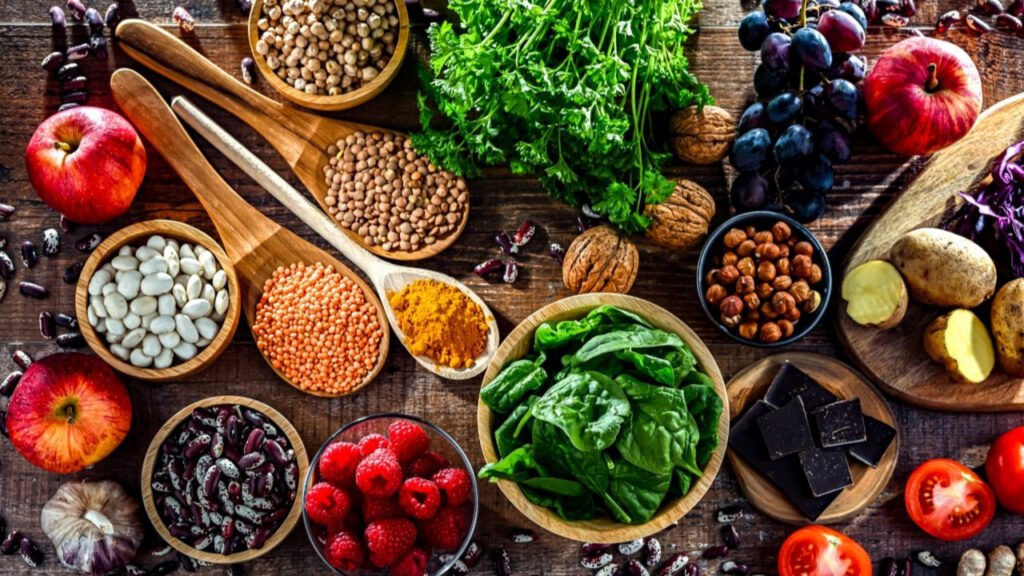
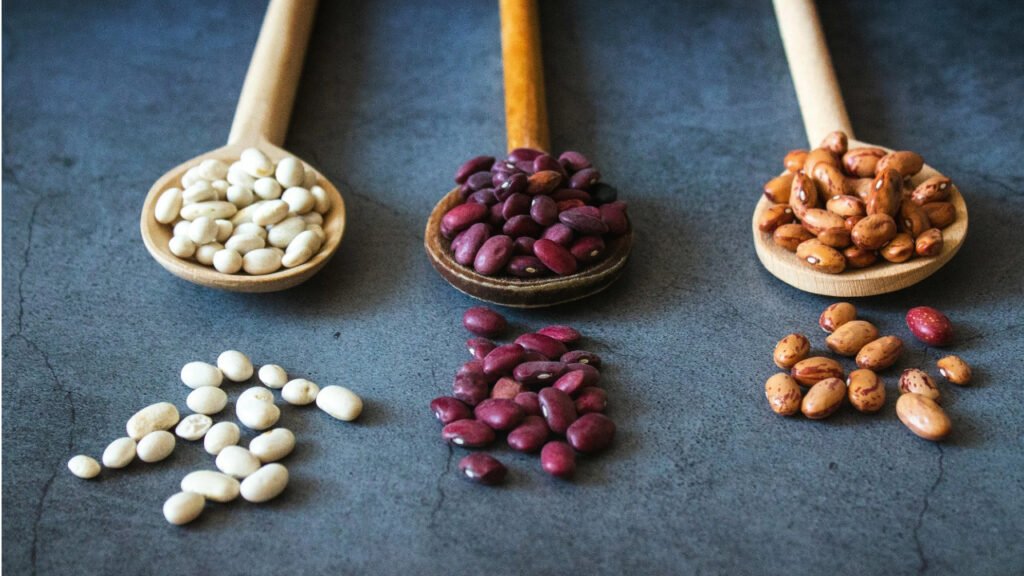
Beans and lentils became some of the most useful additions during the two-week experiment. They can provide fiber while also contributing protein and other nutrients.
They work in soups, salads, wraps, rice dishes, and many other meals, which makes them relatively easy to incorporate.
I also realized that legumes don’t have to be the centerpiece of every meal. Even adding them occasionally can increase variety while introducing another useful food group into the diet.
Snacks were another area where small changes made a difference. Instead of thinking only about packaged snack foods, I began considering fruit, nuts, seeds, and other foods that could contribute fiber.
That didn’t mean eliminating every conventional snack. It simply created more options.
Having several choices available made it easier to build a varied eating pattern without feeling like every food decision had to follow a strict rule.
The experiment also made nutrition labels more interesting. Products that look similar can have surprisingly different amounts of dietary fiber.
Bread, cereal, crackers, snack bars, and other packaged foods can vary significantly depending on their ingredients.
Checking the fiber content helped me make more informed comparisons. At the same time, I learned that fiber shouldn’t be the only thing considered. Added sugar, sodium, protein, fats, and the overall ingredient list still matter.
One of the most important lessons was that increasing fiber suddenly isn’t necessarily the most comfortable approach.
If your usual diet contains relatively little fiber, a large increase can be difficult for your digestive system to adjust to. A gradual approach gives your body more time to adapt.
Instead of making a huge change overnight, I focused on adding one or two higher-fiber foods at a time. That made the process feel much more manageable.
Increasing dietary fiber also highlighted the importance of drinking enough fluids. Fiber and fluid work together within the digestive system, so hydration can be an important part of the transition.
This doesn’t mean there is a single amount of water that everyone needs. Hydration requirements vary depending on factors such as activity, climate, and individual circumstances.
The broader lesson was simply that changing one part of your diet can make it useful to pay attention to other basic habits as well.
One unexpected benefit was how much variety appeared naturally. Once I started looking for higher-fiber foods, I began experimenting with ingredients I hadn’t used as often.
Beans, lentils, different vegetables, whole grains, fruit, nuts, and seeds all offered different ways to build meals.
Rather than making the diet feel more restrictive, the change actually encouraged more experimentation. Increasing one nutrient became an opportunity to expand the range of foods I was eating.
Another lesson was that fiber is often naturally packaged with other nutrients in whole or minimally processed foods.
A piece of fruit isn’t just a source of fiber. It also provides other nutrients and plant compounds. Beans provide fiber alongside protein and other nutrients, while nuts and seeds provide fiber together with fats and other nutritional components.
This made the experiment feel less like a hunt for a single nutrient and more like an exercise in improving overall food variety.

The experiment also changed how I viewed packaged foods. A product containing fiber isn’t automatically healthy, but it isn’t automatically unhealthy either.
Some packaged foods can be convenient sources of fiber, particularly when you’re traveling or need something quick. The key is to consider the entire nutrition label rather than judging a product by one claim on its packaging.
Whole foods can form the foundation of a varied diet while convenient products can still have a place when they fit your needs.
The first few days required more thought because I was deliberately looking for ways to increase fiber. Eventually, the choices became more automatic.
Fruit became an easy breakfast addition. Vegetables became a normal part of meals. Whole grains and legumes appeared more often without requiring as much planning.
That may have been the most useful part of the experiment. Sustainable habits tend to become easier when they stop feeling like a temporary challenge and start becoming normal parts of everyday life.
Two weeks can sound like a long time when you’re starting a new eating habit, but it isn’t long enough to judge every possible long-term health effect.
The experience wasn’t about expecting a dramatic transformation. Instead, it was about noticing practical changes in how I built meals and how much attention I paid to the variety of foods I was eating.
That perspective is important because nutrition doesn’t usually work through one spectacular change. Consistent habits tend to matter more than short-term experiments.

Adding more fiber to my diet for two weeks taught me that increasing fiber doesn’t have to involve complicated rules or specialized foods. Simple choices such as eating more fruit and vegetables, choosing whole grains, adding beans and lentils, and including nuts or seeds can naturally increase fiber intake.
The biggest lesson was that variety makes the process easier. Instead of focusing entirely on one nutrient, I started building meals around a broader selection of nutritious foods.
It was also important to increase fiber gradually and pay attention to hydration, particularly when making a noticeable change from a lower-fiber diet.
Two weeks isn’t enough to claim that one dietary change will transform your health, but it was long enough to demonstrate how small adjustments can influence everyday eating habits.
The most useful takeaway is simple: rather than searching for a perfect diet, look for realistic ways to make your usual meals more varied and nutritious. Increasing fiber can be one practical place to start.