The Shocking Truth About Ultra-Processed Foods: What You Need to Know
July 28, 2026
0
Ultra-processed foods have become a major part of modern diets, but they’re also surrounded by confusion. From packaged snacks and sweetened drinks to instant meals and convenience foods,
Ultra-processed foods have become a major part of modern diets, but they’re also surrounded by confusion. From packaged snacks and sweetened drinks to instant meals and convenience foods, these products are everywhere. They’re affordable, convenient, easy to store, and often designed to taste appealing, which makes them an easy choice when life gets busy.
At the same time, researchers have become increasingly interested in the relationship between diets high in ultra-processed foods and health. The conversation, however, isn’t as simple as saying every packaged food is unhealthy. Processing exists on a spectrum, and two foods can be processed in very different ways while having completely different nutritional profiles. Understanding that distinction is essential if you want to make smarter food choices without turning nutrition into a list of confusing rules.
Ultra-Processed Foods Are Not the Same as Processed Foods
One of the biggest misconceptions about ultra-processed foods is that every food changed in some way belongs to the same category. Food processing covers a wide range of methods, and many are simple, familiar, and useful. Freezing can preserve vegetables, fruit, meat, and fish while slowing spoilage. Drying removes water from foods such as beans, herbs, fruit, and grains, helping them last longer. Pasteurization makes milk and some juices safer by using heat to reduce harmful microbes. Fermentation helps produce foods such as yogurt, cheese, sauerkraut, and some breads. Cooking also changes food, often making it softer, safer, and easier for the body to digest.
These basic processes do not automatically make a food unhealthy. Frozen peas may contain little more than peas, while canned tomatoes may include tomatoes, water, and salt. Both have been processed, yet their ingredients and overall nutrition can differ greatly from those of a packaged snack made with refined starches, sweeteners, flavorings, colors, and other added substances.
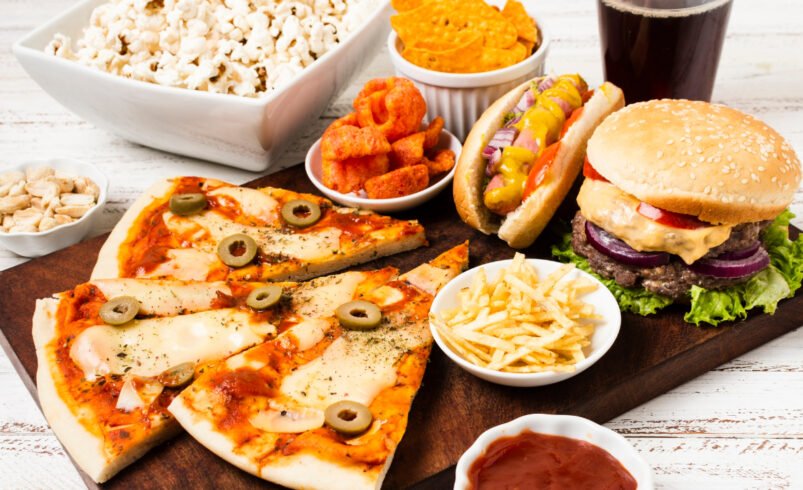
Ultra-processing describes a more intensive form of industrial food production. These products often combine several ingredients and additives that are uncommon in a home kitchen. They may include substances added to change texture, color, taste, shelf life, or the way a product mixes. Examples can include some sweetened drinks, packaged desserts, flavored snack foods, and ready-to-eat meals, though the exact classification depends on the ingredients and production methods.
The distinction matters because the word “processed” alone gives too little information. A food can be processed and still offer useful nutrients, while another product may contain many calories, added sugar, sodium, or saturated fat with fewer nutrients. Looking at the ingredient list and nutrition facts gives a clearer picture than judging a food only by its package. This approach avoids treating every packaged food as the same and supports a more accurate view of how food is made.
Ultra-Processed Foods Are Designed for Convenience
Convenience is one of the biggest reasons ultra-processed foods have become so common. Modern life often leaves people with limited time to plan, shop for, prepare, and cook every meal from scratch. Ready-to-eat and ready-to-heat products can make feeding yourself much easier when you’re dealing with a busy schedule.
That convenience isn’t inherently a problem. The bigger question is how frequently these products make up your overall diet. A practical approach is to recognize their convenience while also making room for a variety of less processed foods that provide important nutrients.
Ultra-Processed Foods Can Be Highly Appealing
Many ultra-processed products are formulated to deliver strong combinations of flavor, texture, aroma, and convenience. This can make them particularly appealing and easy to consume.
Researchers are interested in whether these characteristics may influence how quickly people eat and how much they consume. However, enjoying a packaged snack doesn’t automatically mean you have an unhealthy relationship with food. The broader dietary pattern matters far more than one individual eating occasion.
Ultra-Processed Foods Are Being Linked to Health Concerns
A growing amount of research has found associations between higher consumption of ultra-processed foods and several unfavorable health outcomes. These findings have attracted considerable attention because ultra-processed products are becoming increasingly common in many countries.
However, it’s important to understand what these studies can and cannot prove. Much of the evidence is observational, meaning researchers can identify relationships between eating patterns and health outcomes but cannot automatically establish that ultra-processed foods themselves caused those outcomes. Other lifestyle and dietary factors may also contribute.
Ultra-Processed Foods Can Have Very Different Nutrition Profiles
The label “ultra-processed” doesn’t tell you everything about a product’s nutritional content. Foods within this category can differ dramatically in their amounts of protein, fiber, added sugar, sodium, saturated fat, and other nutrients.
That’s why checking the nutrition facts panel and ingredient list can be useful. Instead of assuming every product in the category is equally nutritious or equally unhealthy, look at what the particular food actually contains and how frequently it appears in your overall eating pattern.
Ultra-Processed Foods Can Make Healthy Eating Confusing
Nutrition advice often becomes unnecessarily complicated when foods are divided into rigid categories of “good” and “bad.” This can make people focus so heavily on individual products that they lose sight of the bigger picture.
A healthier perspective is to consider the overall balance of your diet. Fruits, vegetables, whole grains, beans, nuts, seeds, and other nutrient-rich foods can form an important foundation, while packaged foods can still have a place depending on the individual product and your circumstances.
Ultra-Processed Foods Can Be Difficult to Avoid Completely
Trying to eliminate every ultra-processed food may not be realistic for many people. Modern supermarkets contain countless packaged products, and some foods that provide useful nutrients or practical benefits can fall into broader processing categories.
Instead of aiming for perfection, it can be more useful to focus on what you can reasonably change. Cooking more meals at home, adding more whole or minimally processed foods, and paying attention to nutrition labels can gradually improve the overall quality of your diet.
Ultra-Processed Foods Often Contain Added Sugar and Sodium
Some ultra-processed products contain significant amounts of added sugar or sodium, nutrients that many health authorities recommend limiting as part of a healthy dietary pattern. Certain products may also be high in saturated fat or energy while providing relatively little fiber.
This doesn’t mean every packaged product has the same nutritional weaknesses. Reading labels allows you to compare products and identify options that better fit your dietary needs instead of relying entirely on marketing claims on the front of the package.
Ultra-Processed Foods Are Changing the Modern Diet
The rise of ultra-processed foods reflects larger changes in how people shop, work, and eat. Longer working hours, urban lifestyles, food marketing, convenience culture, and changes in household routines have all influenced the modern food environment.
Because these products are so accessible, changing eating habits isn’t simply a matter of individual willpower. The environment around people also influences what foods are available, affordable, convenient, and appealing.
Ultra-Processed Foods Are Being Studied More Closely
Scientists are still investigating why higher consumption of ultra-processed foods appears to be associated with certain health outcomes. Several possibilities are being considered, including nutritional composition, energy density, eating speed, food texture, additives, and broader dietary patterns.
This ongoing research is important because it may eventually clarify which characteristics matter most. Until then, it’s better to view the evidence carefully rather than treating every headline about ultra-processed foods as definitive proof.
Ultra-Processed Foods Don’t Need to Create Food Fear
The growing conversation around ultra-processed foods can be useful, but it can also become unnecessarily restrictive. Feeling guilty about eating a packaged snack or becoming afraid of entire categories of food isn’t a productive approach to nutrition.
Healthy eating should be sustainable. Rather than trying to achieve a perfectly “clean” diet, focus on building a varied eating pattern that provides the nutrients your body needs while allowing flexibility for different foods and circumstances.
Ultra-Processed Foods Can Be Reduced Through Simple Changes
If you want to reduce your intake, you don’t need to completely change your diet overnight. Small adjustments can gradually shift your eating pattern without creating unnecessary stress.
For example, you might add more fruits and vegetables to meals, choose whole grains more often, prepare simple meals at home, or keep convenient minimally processed foods available. The goal is to make healthier choices easier rather than relying on strict rules.
Ultra-Processed Foods Are Only One Piece of the Health Puzzle
Your overall health isn’t determined by one category of food. Physical activity, sleep, stress, genetics, access to nutritious foods, and your overall dietary pattern all play important roles.
That’s why the most useful approach is to look beyond individual ingredients or labels. Instead of asking whether one food is completely “good” or “bad,” consider how it fits into your overall lifestyle and eating habits.
Conclusion
The truth about ultra-processed foods is more complicated than many social media headlines suggest. Research has raised legitimate concerns about diets high in these products, but not every ultra-processed food has the same nutritional profile, and processing alone doesn’t tell you whether a particular product fits into a healthy eating pattern.
Rather than eliminating every packaged food or following extreme dietary rules, focus on the bigger picture. Build meals around a variety of nutrient-rich foods, pay attention to nutrition labels, and make gradual changes that you can realistically maintain. Understanding ultra-processed foods is ultimately about becoming a more informed eater—not becoming afraid of food.