


How to Choose the Perfect Eyeglasses for Your Face Shape
- September 14, 2026
- 0
Choosing a new pair of eyeglasses can be surprisingly personal. You might walk into a store or browse hundreds of frames online and still struggle to decide which


9621 Agnes Crossing, Lake Suzanneview, New Mexico Island 84604-9295.
Choosing a new pair of eyeglasses can be surprisingly personal. You might walk into a store or browse hundreds of frames online and still struggle to decide which
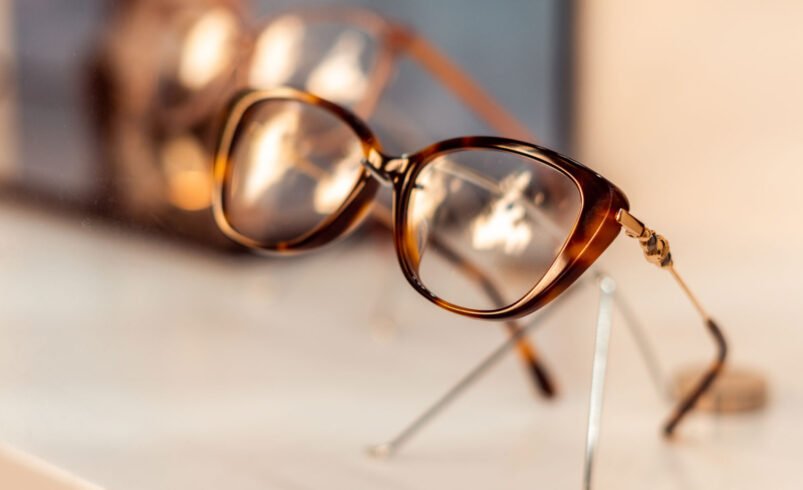
Choosing a new pair of eyeglasses can be surprisingly personal. You might walk into a store or browse hundreds of frames online and still struggle to decide which ones actually look right. One frame feels too wide, another seems too heavy, and the pair you liked in the product photo somehow looks completely different once you put it on.
The good news is that choosing eyeglasses does not have to be a guessing game. Your face shape can give you a useful starting point, especially when you are trying to understand which frame shapes create balance with your natural features.
That does not mean you have to follow strict fashion rules. Eyewear is personal, and the “perfect” frame is ultimately one that makes you feel comfortable and confident. Face shape is simply another tool you can use when you have too many choices and need somewhere to begin.
The size of the frame, bridge position, lens height, color, material, and even the prescription can also affect how a pair of eyeglasses looks. Once you start considering these details together, choosing becomes much easier.
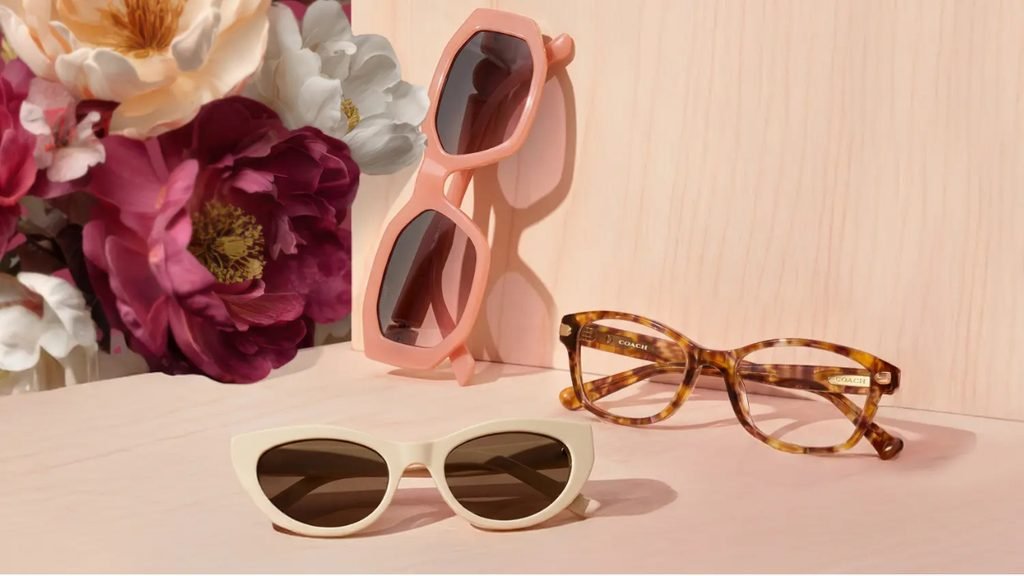
Your face has natural proportions, curves, and angles, and different eyeglasses can emphasize or soften those characteristics. A round frame, for example, creates a very different visual effect from a rectangular frame.
This is why two people can try on exactly the same eyeglasses and have completely different reactions to them.
Face shape is not a strict rulebook, though. Current eyewear guidance generally treats it as a helpful starting point rather than a requirement. Warby Parker, for example, describes face shape as one useful factor among style and comfort when choosing frames.
The goal is not to find a frame that “hides” your face. Instead, think about balance. Rounded features can be complemented by frames with stronger lines, while angular features can look interesting with softer curves.
Your personality matters just as much. Someone with a square face might love square eyeglasses, even if conventional styling advice suggests rounded frames. Someone with an oval face might prefer a very simple rectangular design instead of experimenting with bold shapes.
Use face shape as guidance, not a restriction.
Before choosing eyeglasses, you need a rough idea of your face shape. You do not need professional measurements to get started.
Stand in front of a mirror with your hair pulled away from your face. Look at the overall outline rather than focusing on individual features. Pay attention to the width of your forehead, cheekbones, and jaw, as well as the overall length of your face.
You can also take a straight-on photograph and compare the proportions. If you want a more precise approach, use a soft measuring tape to compare face length with forehead, cheekbone, and jaw width. Similar measurement methods are recommended by eyewear guides when identifying the closest face-shape category.
Most people fall roughly into categories such as:
Do not worry if your face does not fit perfectly into one category. Many people have a combination of characteristics.
For example, you might have the length of an oval face but a stronger jawline that gives you some square characteristics. That is completely normal.
The purpose of identifying your face shape is simply to narrow down the enormous number of eyeglasses available.
Round faces usually have softer curves, fuller cheeks, and similar measurements across the width and length of the face. The jawline tends to be curved rather than strongly angular.
When choosing eyeglasses for a round face, angular shapes can create an appealing contrast. Rectangular, square, and geometric frames introduce stronger lines that can visually define the face.
Wider rectangular eyeglasses are particularly useful if you like a structured appearance. The horizontal lines can add a sense of length and create contrast with softer facial curves.
You can also experiment with slightly thicker temples or defined browlines if you want your frames to have more visual presence.
That does not mean round eyeglasses are automatically wrong for a round face. If you love round frames, wear them. The important thing is understanding what effect they create. Round-on-round can produce a softer, more uniform appearance, which may be exactly what you want.
For a more noticeable contrast, however, angular eyeglasses are an easy place to start.
Square faces generally have a broad forehead, defined cheekbones, and a strong jawline. The width and length of the face may be relatively similar, while the overall outline has noticeable angles.
Because the face already has strong lines, rounded or oval eyeglasses can create a softer contrast.
Round frames are a classic option because their curves break up the angular structure of the face. Oval eyeglasses offer a similar effect while giving you a slightly more elongated appearance.
Thin metal frames can also work beautifully if you prefer something understated. They provide shape without adding too much visual weight around the face.
If you prefer bold eyeglasses, look for rounded designs with interesting colors or slightly oversized proportions. The key is to decide whether you want your glasses to soften your features or emphasize them.
There is no reason a person with a square face cannot wear square frames. In fact, matching angular features with angular eyeglasses can create a strong, deliberate look. It simply produces a different effect from rounded frames.

Oval faces are generally longer than they are wide, with a softly rounded jaw and a forehead that may be slightly wider than the chin. This face shape tends to offer plenty of flexibility when choosing eyeglasses.
You can experiment with many different silhouettes because there are fewer strong angles that need balancing.
Rectangular eyeglasses can add structure, while round frames can emphasize the softer side of your features. Cat-eye styles can introduce an expressive shape, and oversized eyeglasses can create a statement look.
One useful guideline is to choose frames that are roughly as wide as the broadest part of your face or slightly wider. This helps maintain the natural balance of your proportions.
The biggest thing to watch is proportion. Very narrow eyeglasses can sometimes make a longer face appear even longer, while extremely oversized frames may overwhelm smaller facial features.
Still, oval faces are a great opportunity to experiment. If you have been nervous about trying an unusual frame shape, this can be a good time to step outside your usual style.
Heart-shaped faces are usually wider around the forehead and cheek area and narrower toward the chin. This creates an inverted-triangle appearance.
The idea when selecting eyeglasses is often to create a little more visual balance between the wider upper portion and narrower lower portion of the face.
Lightweight frames can work particularly well. Rimless or thin-rim eyeglasses can create a subtle look without placing too much visual emphasis on the forehead.
Frames that are slightly wider toward the bottom can also help balance the shape. Rounded styles and certain aviator-inspired designs can be worth trying.
Cat-eye eyeglasses can work too, although the amount of emphasis they place on the upper face depends heavily on their size and construction.
The best approach is to try several proportions rather than deciding that one frame category is automatically right. Small changes in lens height or frame width can make a surprising difference.
Diamond-shaped faces are typically narrower around the forehead and chin while having more prominent cheekbones. This can create a striking facial structure with noticeable angles.
When choosing eyeglasses, you can use the frame to draw attention toward the eyes and create balance around the cheek area.
Oval and rounded eyeglasses can soften sharper features. Cat-eye designs can also complement the natural upward direction of prominent cheekbones.
Browline frames are another interesting option because they add visual detail across the upper portion of the face.
You may also enjoy eyeglasses with distinctive temples or decorative details. These can add personality without making the lenses themselves overly dramatic.
If your cheekbones are the widest part of your face, pay attention to frame width. Extremely narrow frames may look out of proportion, while frames that extend too far beyond the face can feel oversized.
The right balance often comes from finding eyeglasses that follow your proportions without copying them exactly.
An oblong face is noticeably longer than it is wide, often with a relatively straight cheek line. When choosing eyeglasses for this shape, frame depth becomes particularly useful.
Deeper lenses can create the appearance of additional width and help break up the vertical length of the face.
Oversized eyeglasses can work well when they are properly proportioned. Frames with decorative temples can also add visual interest along the sides.
A frame with a strong horizontal design can make the face feel more balanced. Browline eyeglasses may be worth trying if you enjoy a defined upper frame.
Very narrow, shallow eyeglasses may emphasize facial length, particularly if the frame sits high and has little lens depth.
That does not mean narrow frames are forbidden. If you prefer minimalist eyewear, you can still wear them. Consider choosing a slightly wider frame or one with interesting temple details to maintain some visual balance.
Triangle-shaped faces tend to be wider around the jaw and narrower toward the forehead. Because the lower portion of the face carries more visual width, frame details near the brow can help create balance.
Browline eyeglasses are one option because they naturally draw attention toward the upper part of the face.
Frames with noticeable upper rims, decorative details, or stronger colors can also work well.
Cat-eye eyeglasses can create an upward visual effect, while aviator styles with an interesting upper structure can provide another option.
The important thing is not to make the frame excessively heavy simply because you want more emphasis at the top. Comfort still matters.
Try different lens shapes and frame widths to see which ones feel proportionate. Sometimes a subtle brow detail can make a greater difference than a dramatic frame.
Face shape gets most of the attention, but frame size can completely change how eyeglasses look.
A frame that technically suits your face shape can still look awkward if it is too large or too small.
If the temples extend significantly beyond your head, the frame may feel oversized. If the frame is extremely narrow, it may pinch at the sides or make the face appear wider.
The bridge also matters. A poorly positioned bridge can cause eyeglasses to slide, sit too high, or feel uncomfortable.
Lens height is another consideration. Deeper lenses may change the visual proportions of your face, while shallow lenses can create a more streamlined appearance.
This is why trying on multiple sizes of the same general frame shape can be useful.
Do not automatically choose the pair that looks best in a product photograph. Your own measurements and proportions are much more important.
Once you have narrowed down the shape and size, color becomes the fun part.
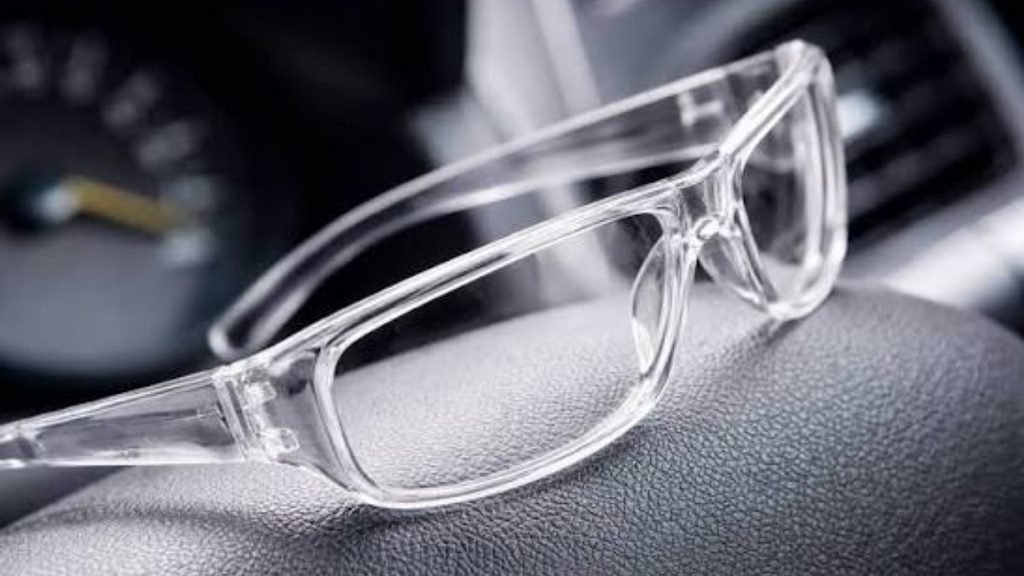
Black eyeglasses are versatile and can create a defined appearance. Tortoiseshell frames offer warmth and texture. Transparent frames can create a lighter, contemporary look, while metal frames can feel sleek and understated.
Your skin tone, hair color, wardrobe, and personal style can all influence which colors feel natural.
All About Vision notes that frame colors can be considered alongside skin and hair coloring, with warmer tones often pairing well with colors such as gold, brown, and warm reds, while cooler coloring may work well with shades such as silver, blue, gray, and plum.
But color should ultimately be enjoyable.
If you have always worn black eyeglasses and want something different, try burgundy, tortoiseshell, navy, clear acetate, or another shade that fits your wardrobe.
The best frame is not necessarily the most “correct” one according to a chart. It is the one you actually enjoy putting on.

A pair of eyeglasses can look fantastic and still become your least favorite accessory if they are uncomfortable.
Think about how long you will wear them each day. Someone who wears eyeglasses for ten hours at work has different requirements from someone who mainly uses them for reading or occasional driving.
Pay attention to pressure around your temples, the bridge of your nose, and behind your ears.
Weight can matter too. Lightweight materials may be preferable for all-day wear, particularly for larger frames.
Your prescription can also influence the ideal frame. Higher prescriptions may require additional consideration when choosing lens size and frame construction. Vogue’s eyewear guidance similarly notes that prescription strength can affect frame choices.
Comfort should never be treated as an afterthought. If you constantly adjust your eyeglasses throughout the day, even the most fashionable pair will become frustrating.
The most important thing to remember is that face shape does not determine which eyeglasses you are allowed to wear.
It is simply a useful starting point.
You may discover that the frame traditionally recommended for your face shape does not appeal to you at all. That is fine. Personal style should have the final say.
Maybe you have a round face and love round eyeglasses. Perhaps you have a square face and prefer square frames because you like a bold, structured appearance. Maybe you have an oval face and want something completely unconventional.
There is nothing wrong with any of those choices.
The purpose of face-shape advice is to help you understand proportions, not to dictate your appearance.
Think of it as a shortcut when you are overwhelmed by options. Start with frames that are likely to complement your proportions, then branch out and experiment.
Shopping online can give you access to an enormous selection, but it also means you cannot always try every frame on physically.
Start by checking the frame measurements. Look for lens width, bridge width, temple length, and overall frame dimensions.
Compare those measurements with a pair of eyeglasses you already own and like. This can give you a much better reference than simply choosing a size labeled “medium.”
Virtual try-on tools can also help. Many online eyewear retailers now provide ways to preview frames on your face, although the result should still be treated as an approximation rather than a perfect representation.
Read the product information carefully and check the retailer’s return or exchange policy before ordering.
If you need prescription eyeglasses, make sure your prescription details are current and that the retailer can accommodate your lens requirements.
Finally, look at the frame from different angles when possible. A frame may look great straight on but have a different profile from the side.
The more information you check before buying, the less likely you are to end up with a pair that looks good online but feels wrong in person.

Start by identifying the general shape of your face and then look for frame styles that create balance or contrast. Round faces often work well with angular frames, while square faces can look great with rounded or oval styles. Oval faces generally offer considerable flexibility.
No. Face-shape guidelines are suggestions rather than rules. Personal style, comfort, frame size, prescription needs, and individual proportions are all important. If you love a frame that technically falls outside traditional recommendations, there is no reason you cannot wear it.
Angular eyeglasses, including rectangular, square, and geometric frames, can create contrast with the softer curves of a round face. Wider frames can also add definition. However, round frames can work if you prefer a softer, coordinated appearance.
Round and oval eyeglasses are popular choices because their curved lines can soften angular facial features. Thin metal frames and lightweight designs can also create a less heavy appearance.
Oval faces are generally versatile, so many frame shapes can work. Rectangular, round, cat-eye, geometric, and oversized eyeglasses can all be worth trying. Proportion is still important, so avoid choosing a frame simply because your face shape is considered versatile.
Frame size, bridge fit, comfort, material, color, prescription requirements, and personal style all matter. A frame can complement your face shape and still be uncomfortable or poorly proportioned.
Generally, you want the frame to fit comfortably without extending excessively beyond the sides of your face. The ideal width depends on your facial proportions and the frame style, so compare measurements rather than relying only on appearance.
Oversized frames can work with many face shapes, but the size needs to remain proportionate to your features. Very large eyeglasses can overwhelm smaller faces, while deeper or wider frames may work particularly well on longer faces.
Consider colors that complement your wardrobe, hair, and complexion, but do not be afraid to experiment. Black, tortoiseshell, metal, clear, brown, blue, and burgundy can all create very different looks.
Check the frame measurements, compare them with glasses you already own, use virtual try-on tools when available, and review the retailer’s return policy. For prescription eyewear, make sure your prescription information is current and compatible with the selected frame.
Finding the right pair of eyeglasses becomes much easier when you stop treating face shape as a strict formula and start using it as a practical styling guide. Look at your proportions, try different shapes, pay attention to frame size and comfort, and choose colors that feel like you. The Designer Optics store can be a convenient place to explore different eyeglasses styles once you have an idea of the shapes and proportions you prefer. And when you are ready to shop, WellnGoods provides 100% Verified Designer Optics coupon codes, giving you a way to save while purchasing from the Designer Optics store and finding eyeglasses that fit both your face and your personal style.