The Powerful Rise of Functional Foods: What Are They Really?
August 13, 2026
0
Functional foods are having a major moment in wellness culture. From probiotic yogurt and fortified cereals to foods containing omega-3s, antioxidants, and other naturally occurring compounds, shoppers are
Functional foods are having a major moment in wellness culture. From probiotic yogurt and fortified cereals to foods containing omega-3s, antioxidants, and other naturally occurring compounds, shoppers are increasingly looking beyond basic nutrition and asking what additional benefits a food might offer.
The term sounds scientific, but the idea is relatively simple. Functional foods are generally foods that may provide health benefits beyond supplying basic nutrients. Some naturally contain compounds associated with potential health effects, while others are fortified or enhanced with additional nutrients or ingredients.
The growing popularity of these products reflects a broader shift in how people think about food. Instead of seeing meals only as a source of calories and nutrients, many consumers are interested in how everyday choices might support their overall well-being. But with so many products making impressive claims, it’s worth understanding what the term actually means and where the marketing ends and the evidence begins.
Functional Foods Are More Than a Wellness Buzzword
The phrase “functional food” can sound like another marketing invention, but the underlying concept has been discussed in nutrition research for decades. The basic idea is that some foods may have effects beyond simply providing essential nutrients such as carbohydrates, protein, fats, vitamins, and minerals.
These foods can include ordinary ingredients that have naturally occurring beneficial compounds as well as products that have been fortified with additional nutrients. This means the category is much broader than the colorful products often promoted on social media.
Understanding that distinction is important because not everything labeled as a functional food has the same nutritional value or level of scientific evidence behind its claims.
Functional Foods Can Be Naturally Nutritious
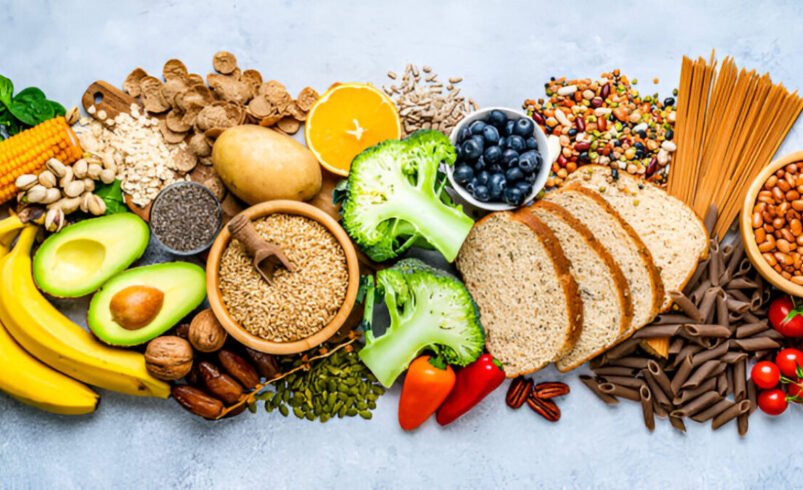
Some foods don’t need to be modified or fortified to be considered potentially functional. Fruits, vegetables, whole grains, legumes, nuts, seeds, and fish naturally contain a variety of nutrients and bioactive compounds that can contribute to a healthy diet.
For example, certain fruits and vegetables contain naturally occurring plant compounds, while fatty fish provide omega-3 fatty acids. Fermented foods may contain microorganisms that are being studied for their relationship with the gut.
This is an important reminder that the concept doesn’t always require a futuristic product or an expensive supplement. Some of the most nutritious foods available are also among the simplest.
Functional Foods Can Include Fortified Products
Another major category includes foods that have been enhanced with additional nutrients. Manufacturers may add vitamins, minerals, probiotics, or other ingredients to products that wouldn’t naturally contain significant amounts of them.
Fortification can have legitimate nutritional value. For example, adding certain nutrients to commonly consumed foods can help increase access to nutrients that people may otherwise struggle to get enough of.
However, fortification doesn’t automatically make a product healthy. A food can contain an added nutrient while also being high in added sugar, sodium, or saturated fat. The entire nutritional profile still matters.
Functional Foods Are Closely Connected to Gut Health
Gut health has become one of the biggest wellness topics of recent years, and it has played a major role in the popularity of products marketed as functional foods.
Yogurt, kefir, fermented vegetables, and other foods containing live microorganisms are frequently promoted for their potential digestive benefits. Meanwhile, fiber-rich foods are also receiving greater attention because dietary fiber plays an important role in supporting the microorganisms that live in the digestive tract.
The science surrounding the gut microbiome is developing rapidly, but that doesn’t mean every product making a gut-health claim has been proven to deliver dramatic results.
Functional Foods Can Provide Important Nutrients
One of the simplest ways to understand these foods is to remember that their potential added benefits don’t replace basic nutrition. A food still needs to provide a useful nutritional foundation.
A breakfast cereal containing added vitamins may still need to be evaluated for its sugar and fiber content. A yogurt containing probiotics can still differ significantly from another yogurt depending on its protein, added sugar, and overall ingredients.
Looking at the whole food prevents a single advertised benefit from overshadowing everything else on the label.
Functional Foods Are Driving New Grocery Trends
Walk through a modern supermarket and you’ll find an expanding number of products positioned around specific health benefits. Drinks may highlight electrolytes, snacks may emphasize added fiber, and dairy products may advertise probiotics or extra protein.
This reflects a larger shift in consumer behavior. People increasingly want foods that feel like they are doing something useful beyond simply satisfying hunger.
That demand has encouraged food companies to experiment with new formulations and ingredients. Some innovations can be genuinely useful, but the growing number of claims also makes it more important for shoppers to understand what the evidence actually supports.
Perhaps the most important thing to remember is that a health-related label doesn’t transform an otherwise unbalanced product into a nutritional powerhouse.
A snack bar might contain added fiber but also have a large amount of added sugar. A drink could contain vitamins while still being highly sweetened. A product advertised as supporting immunity may contain useful nutrients, but that doesn’t mean consuming it guarantees protection from illness.
The healthiest choice often comes down to the complete dietary pattern rather than one impressive claim printed on the front of a package.
Functional Foods Can Contain Bioactive Compounds
Some of the interest surrounding these foods comes from compounds that aren’t classified as essential nutrients but may have biological effects in the body.
Polyphenols and other plant compounds found in foods such as berries, tea, cocoa, and certain vegetables are examples of substances that have attracted scientific interest. Researchers continue to investigate how these compounds interact with the body and whether consuming them through whole foods produces meaningful long-term effects.
This area of nutrition is promising, but it also requires careful interpretation. Findings from laboratory or early-stage studies don’t necessarily mean a particular food will produce a dramatic health outcome in everyday life.
Functional Foods Are Not the Same as Supplements
The terms can sometimes get mixed together, but foods and supplements aren’t identical. A functional food is still consumed as part of the diet, while a supplement is designed to provide concentrated amounts of specific nutrients or other substances.
Getting nutrients through food can have advantages because whole foods often contain combinations of nutrients and compounds that work together as part of the overall diet.
That doesn’t mean supplements are never useful. Certain people may need them for specific nutritional reasons, but they shouldn’t automatically be treated as superior to a varied diet.
Functional Foods Can Be Useful Without Being Trendy
The popularity of a food doesn’t determine its nutritional value. Some of the most useful examples are foods that have been part of traditional diets for generations.
Oats, beans, fish, fruits, vegetables, nuts, seeds, and fermented foods can all fit naturally into balanced eating patterns without needing elaborate branding or wellness terminology.
This can make the concept less intimidating. You don’t need to search for the newest product on the shelf. A varied diet built around nutritious foods can already provide many of the characteristics people are looking for when they shop for functional products.
Functional Foods Require a Critical Look at Marketing
Food marketing can make scientific language sound more definitive than it really is. Words such as “supports,” “promotes,” and “contains” can appear alongside impressive-looking claims without necessarily proving that a product will produce a major health change.
Reading the ingredient list and nutrition facts can help put those claims into context. It’s also useful to consider whether the claimed benefit has strong human research behind it or whether the product is relying mostly on preliminary evidence.
The more impressive the promise sounds, the more important it is to ask what the evidence actually shows.
Functional Foods Are Becoming More Personalized
Another reason these foods are growing in popularity is the increasing interest in personalized wellness. Consumers are looking for products that seem tailored to specific goals, such as digestive support, energy, immunity, or heart health.
This can make nutrition feel more individualized, but it can also encourage people to focus too narrowly on individual benefits. Your overall diet matters far more than finding a single food designed around one particular wellness goal.
A varied eating pattern can provide many different nutrients at once, which is difficult for any individual product to replicate.
Functional Foods Can Fit Into a Balanced Diet
There’s no reason to avoid foods marketed around legitimate nutritional benefits simply because they’re trendy. A probiotic yogurt, fortified cereal, whole-grain product, or omega-3-rich food can all have a place in a varied diet.
The key is to treat these products as components of your overall eating pattern rather than as shortcuts to perfect health.
Combining nutritious foods across different categories gives you a much stronger foundation than relying on one product to deliver everything your body needs.
Functional Foods Are Not a Shortcut to Perfect Health
The biggest misconception may be the idea that a particular food can compensate for an otherwise unbalanced lifestyle. No single ingredient can replace a varied diet, adequate sleep, regular physical activity, or other fundamental aspects of well-being.
Functional foods can contribute useful nutrients and compounds, but their benefits should be viewed in context. They are pieces of the bigger picture, not magic solutions.
That perspective also makes nutrition less stressful. Instead of searching constantly for the next breakthrough food, you can focus on consistently eating a broad range of nutritious options.
Conclusion
The rise of functional foods reflects a genuine interest in getting more value from everyday meals. Foods containing probiotics, omega-3 fatty acids, fiber, vitamins, minerals, and other bioactive compounds can provide useful nutritional benefits, and some fortified products can help people increase their intake of important nutrients.
But the category is also filled with marketing, and not every impressive claim has equally strong evidence behind it. A product labeled around a specific wellness benefit isn’t automatically healthier than a simple whole food.
The smartest approach is to look at the entire nutritional picture. Choose a varied diet built around fruits, vegetables, whole grains, legumes, nuts, seeds, and other nutrient-rich foods, then consider functional products as optional additions rather than necessities.
The most powerful idea behind this trend isn’t that one special food can transform your health. It’s that everyday food choices can contribute to a healthier overall pattern—and that is a much more realistic way to think about nutrition.