The Surprising Truth About Cottage Cheese: 14 Healthy Facts You Should Know
August 5, 2026
0
Cottage cheese has gone from an old-fashioned refrigerator staple to one of the internet’s favorite foods. It’s showing up in breakfast bowls, smoothies, dips, desserts, sandwiches, and countless
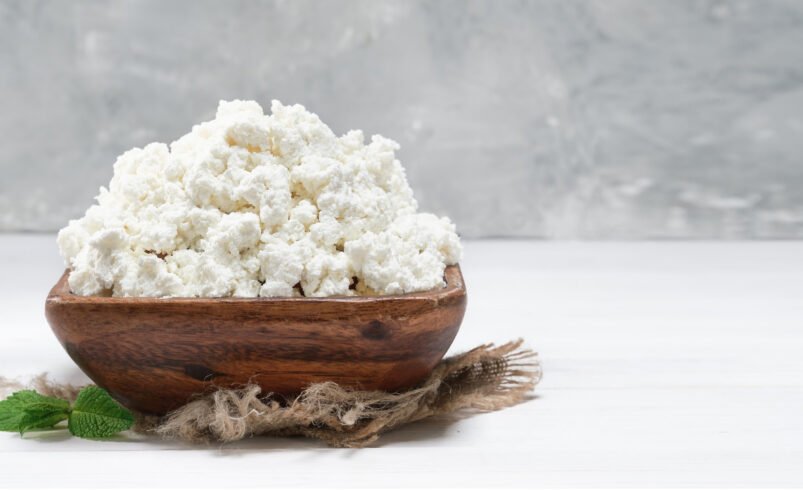
Cottage cheese has gone from an old-fashioned refrigerator staple to one of the internet’s favorite foods. It’s showing up in breakfast bowls, smoothies, dips, desserts, sandwiches, and countless high-protein recipes across social media. Its creamy texture and mild flavor make it incredibly versatile, while its reputation as a protein-rich food has helped bring it back into the spotlight.
But is cottage cheese actually healthy, or is it simply another food benefiting from a viral wellness trend? The answer depends on the specific product, how much you eat, and what the rest of your diet looks like. Cottage cheese can provide useful nutrients, but different varieties can contain very different amounts of sodium, fat, and other ingredients.
Rather than treating it as a miracle food or something you need to avoid, it makes more sense to understand what it offers and how it can fit into a balanced diet.
Cottage Cheese Is Naturally Rich in Protein
One of the main reasons cottage cheese has become so popular is its protein content. Protein helps the body build, repair, and maintain tissues such as muscles, skin, and organs. It also supports enzymes, hormones, and other body systems that keep daily functions running. Because the body does not store protein in the same way it stores fat, regular meals need to provide enough of this nutrient.
The amount of protein in cottage cheese depends on the brand, serving size, and type. Some varieties contain more protein than others, so checking the nutrition label gives the most accurate information. Even so, cottage cheese can deliver a useful amount of protein in a small, ready-to-eat serving. That makes it practical for breakfast, an afternoon snack, or a quick addition to lunch.
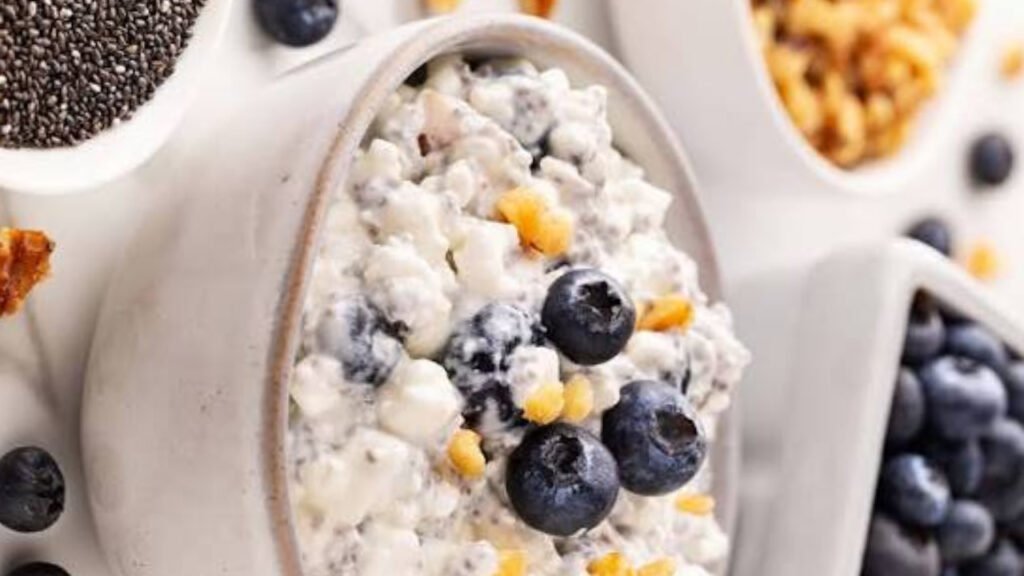
Its mild flavor also works well with many foods. Cottage cheese can be paired with fruit for a sweet option, or served with tomatoes, cucumbers, and herbs for a savory dish. Adding it to whole-grain toast, a grain bowl, or a salad can make the meal more filling. Nuts and seeds add crunch, while vegetables and fruit provide fiber, vitamins, and minerals. This mix helps cottage cheese fit into meals that offer more than protein alone.
Cottage Cheese Can Support a Balanced Breakfast
Breakfast can be one of the easiest meals to make repetitive, especially when you’re short on time. Cottage cheese offers a simple way to add variety without requiring complicated preparation.
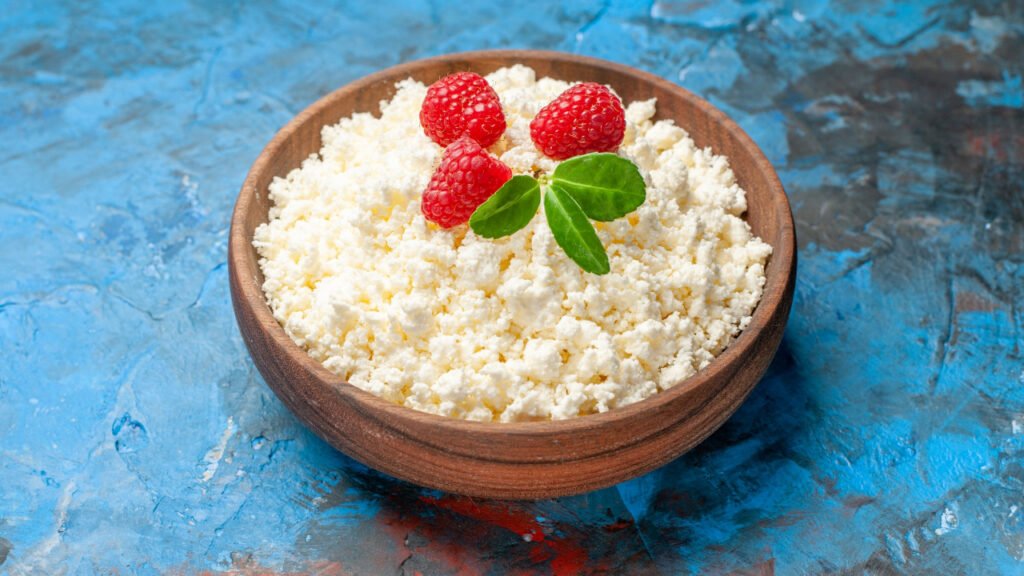
It can be paired with fruit and whole-grain foods for a sweeter breakfast or combined with vegetables and herbs for a savory option. The versatility means you can use the same basic ingredient in completely different meals, making it easier to create varied breakfasts that contain several different nutrients.
Cottage Cheese Provides Important Nutrients
Protein isn’t the only reason this dairy food has nutritional value. Depending on the product, cottage cheese can provide nutrients such as calcium, phosphorus, vitamin B12, and other micronutrients.
Calcium and phosphorus are particularly important for maintaining bones and teeth, while vitamin B12 plays an important role in normal blood and nervous-system function. The exact nutritional profile depends on the brand and variety, which is why checking the nutrition label remains useful when comparing products.
Cottage Cheese Can Be High in Sodium
One of the main things worth watching when choosing cottage cheese is sodium. Some varieties contain a considerable amount, and eating several servings of high-sodium foods throughout the day can contribute significantly to total sodium intake.
Fortunately, products vary. Some brands offer lower-sodium alternatives, so comparing labels can make a meaningful difference. If sodium is something you’re specifically trying to monitor, looking at the nutrition facts panel is much more useful than assuming every container has the same nutritional profile.
Cottage Cheese Comes in Different Fat Levels
Walk through almost any supermarket and you’ll find cottage cheese in several varieties, including full-fat, reduced-fat, and low-fat options. These versions can differ in calories, fat, texture, and sometimes other nutritional characteristics.
There isn’t one variety that is automatically the best choice for everyone. Your preferences, dietary needs, and the foods you’re eating alongside it all matter. Instead of focusing only on the percentage of fat, consider the complete nutrition label and how the product fits into your overall eating pattern.
Cottage Cheese Is Surprisingly Versatile
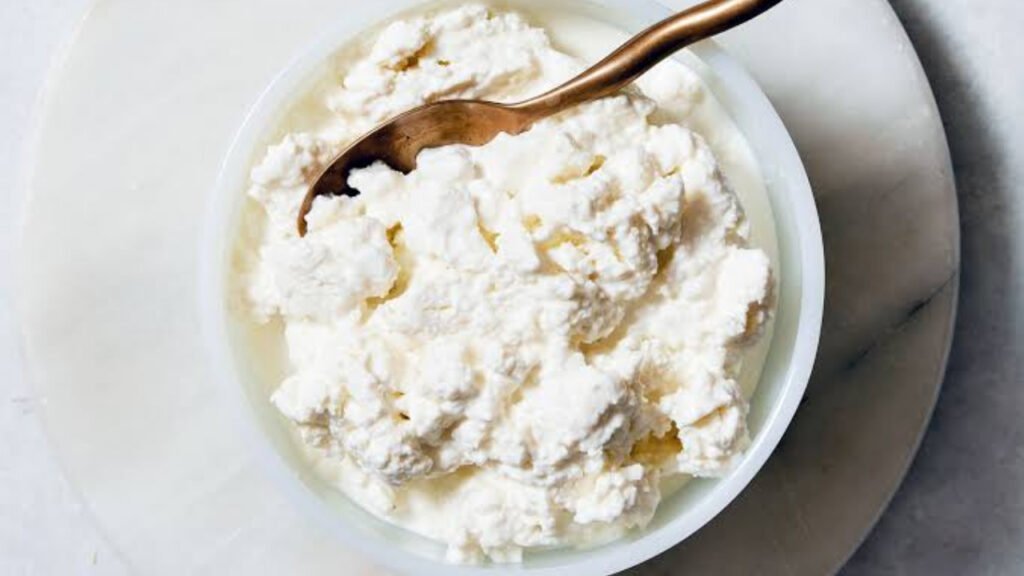
One reason cottage cheese has become such a popular ingredient is that it can be used in far more ways than simply eating it from a container. Its soft texture makes it easy to combine with both sweet and savory ingredients.
It can be added to dips, blended into sauces, mixed into meals, or served alongside fruit and whole-grain foods. This versatility can make nutritious meals feel less repetitive, particularly if you enjoy experimenting with different flavors and textures.
Cottage Cheese Works Well in Sweet Recipes
Social media has helped popularize sweet recipes using cottage cheese. People blend it with fruit or other ingredients to create creamy snacks, breakfast dishes, and desserts.
The ingredient itself can be nutritious, but the overall recipe still matters. Adding large quantities of sugar or other highly concentrated ingredients can substantially change the nutritional profile of a dish. Instead of assuming a recipe is healthy simply because it contains cottage cheese, consider all of its ingredients together.
Cottage Cheese Works in Savory Meals Too
Cottage cheese isn’t limited to sweet recipes. Its mild flavor makes it useful in savory meals where it can be combined with vegetables, herbs, whole grains, or other foods.
This makes it particularly practical for people who prefer savory breakfasts or snacks. Adding different herbs, spices, or vegetables can completely change the flavor while keeping the basic ingredient the same, giving you plenty of options without requiring elaborate cooking.
Cottage Cheese Isn’t Automatically Healthy in Every Product
The popularity of cottage cheese has encouraged food companies to create different versions and prepared products. Some may contain additional ingredients that change the nutritional profile considerably.
That’s why the phrase “cottage cheese” alone doesn’t tell you everything you need to know. Check the nutrition facts panel and ingredient list, particularly when choosing flavored or highly modified products. A food’s overall nutritional value depends on what is actually in the container, not simply what appears on the front of the package.
Cottage Cheese Can Be a Convenient Food
Convenience matters when it comes to building sustainable eating habits. A nutritious food that requires little preparation can make it easier to put together a meal when you’re busy.
Cottage cheese can be stored in the refrigerator and served quickly, making it useful for breakfasts, snacks, and simple meals. Having convenient options available can reduce the pressure to prepare complicated dishes every time you want something to eat.
Cottage Cheese Isn’t Suitable for Everyone
Although cottage cheese can fit comfortably into many diets, dairy isn’t appropriate for everyone. People with a milk allergy need to avoid dairy products, while some people with lactose intolerance may experience digestive symptoms after consuming certain dairy foods.
If dairy doesn’t agree with you, there are plenty of other foods that can provide protein and other important nutrients. A food becoming popular online doesn’t mean it needs to become part of your diet if it doesn’t suit your individual needs.
Cottage Cheese Has Become a Social Media Sensation
The recent explosion in cottage cheese recipes is partly a result of social media. Creators have found countless ways to incorporate it into meals and snacks, helping introduce the ingredient to people who may not have considered it before.
There can be value in discovering new ways to prepare nutritious foods, but viral popularity shouldn’t be confused with scientific evidence. A food becoming trendy doesn’t automatically make it healthier than every alternative, and social media recipes can vary widely in their nutritional quality.
Cottage Cheese Can Fit Into a Balanced Diet
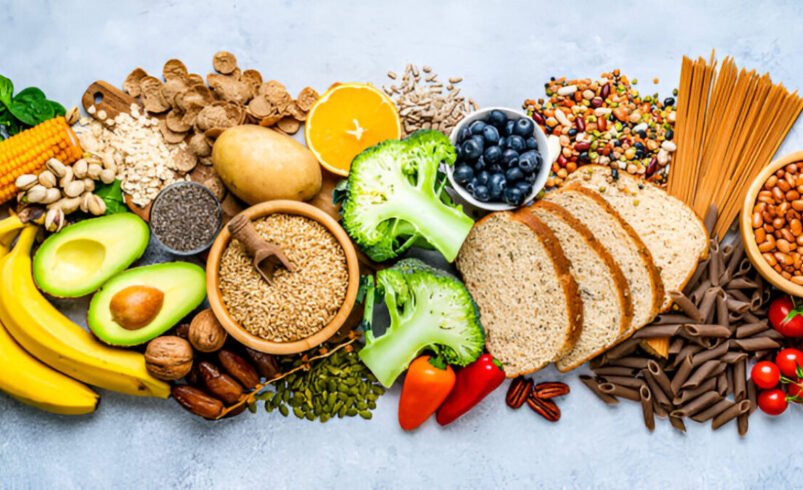
The healthiest way to think about cottage cheese is as one food among many rather than a miracle ingredient. It can contribute protein and other nutrients while working alongside fruits, vegetables, whole grains, nuts, seeds, and other foods.
Variety is important because no single food provides every nutrient your body needs. Including different foods throughout the day creates opportunities to get a wider range of vitamins, minerals, fiber, protein, carbohydrates, and fats.
Cottage Cheese Can Be a Smart Addition for Many People
For people who enjoy dairy and tolerate it well, cottage cheese can be a practical addition to a varied diet. Its protein content, versatility, and convenience make it particularly easy to incorporate into everyday meals.
The key is to avoid letting one food trend dominate your eating habits. You don’t need to eat cottage cheese every day, and you don’t need to avoid it either. Choosing it when you enjoy it and when it fits naturally into your meals is a much more sustainable approach than following an internet trend simply because it is popular.
Conclusion
Cottage cheese has earned its renewed popularity for good reasons. It can provide protein and other useful nutrients, works in both sweet and savory recipes, and requires very little preparation. For many people, it can be a convenient component of a balanced eating pattern.
At the same time, it’s not a magical health food. Sodium levels, fat content, added ingredients, and individual dietary needs all deserve consideration when choosing a product. The best approach is to look at the complete nutrition label, choose varieties that suit your needs, and combine them with a wide range of other nutritious foods.
The real benefit of cottage cheese isn’t that it is suddenly a “superfood.” It’s that a simple, versatile food can make balanced meals easier to build—and that’s a much more useful reason to keep it around.