

What TikTok Is Doing to Your Brain
- June 26, 2026
- 0
TikTok has become one of the most influential social media platforms in the world. Millions of people open the app every day to watch short videos that are


9621 Agnes Crossing, Lake Suzanneview, New Mexico Island 84604-9295.
TikTok has become one of the most influential social media platforms in the world. Millions of people open the app every day to watch short videos that are
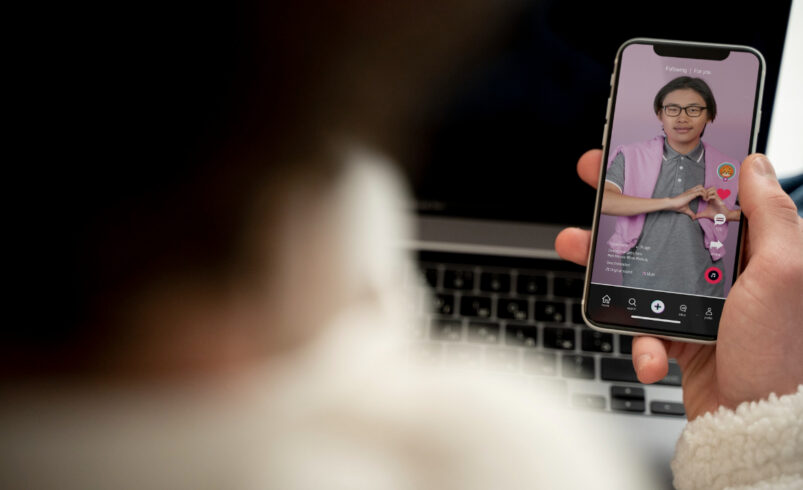
TikTok has become one of the most influential social media platforms in the world. Millions of people open the app every day to watch short videos that are entertaining, educational, and highly addictive.
At first, watching a few videos seems harmless.
Then 10 minutes becomes 30.
Thirty minutes becomes an hour.
Before you realize it, you’ve spent a significant portion of your day scrolling without remembering most of what you watched.
This isn’t entirely accidental.
TikTok is designed to keep your attention for as long as possible. Its endless stream of personalized content encourages your brain to seek constant novelty, making it harder to stop scrolling.
While TikTok offers entertainment, creativity, and learning opportunities, excessive use may also affect your focus, sleep, productivity, and mental wellbeing.
Here’s what TikTok may be doing to your brain.

Every swipe on TikTok brings a fresh surprise. You might see a quick cooking hack for pasta or a short clip of a stand up comic. One second you are watching a travel vlog from Japan, and the next you get a tip on how to squat better at the gym. The feed mixes comedy, news, and odd hobbies without warning.
This randomness keeps your brain alert. You never know if the next video will be a hit or a miss. This creates a variable reward schedule. It is the same logic that makes slot machines work. When a reward is unpredictable, the brain releases more dopamine. You keep scrolling because you want that next hit of excitement.
The app uses an algorithm to learn what you like. It gives you just enough good content to keep you hooked. This cycle of novelty tricks your mind into staying active. It makes the app hard to put down because the next great video feels just one swipe away.
One of the biggest concerns surrounding TikTok is its impact on attention.
Most videos last only a few seconds before the next one appears.
Your brain quickly becomes accustomed to consuming information in short bursts.
Over time, slower activities like reading books, watching documentaries, or studying may begin to feel less stimulating.
This doesn’t necessarily mean TikTok permanently damages attention spans, but excessive use can make sustained concentration feel more challenging.
Unlike traditional forms of entertainment, TikTok has no natural stopping point.
Television episodes end.
Books have chapters.
Movies finish.
TikTok simply loads another video.
This endless scrolling encourages people to keep consuming content long after they originally intended.
Without clear stopping cues, it’s easy to lose track of time.
Many people use TikTok before going to bed.
Unfortunately, this habit often delays sleep.
Watching stimulating content late at night keeps the brain active when it should be winding down.
Combined with bright phone screens, this can make falling asleep more difficult.
Poor sleep then affects concentration, mood, and energy the following day.
TikTok works well when you have a few minutes to kill. You open the app during a coffee break or while waiting for a file to download. The fast videos fit these small gaps in your day.
The danger is that these tiny breaks often stretch far beyond the original plan. You tell yourself you will only watch for five minutes. Then the algorithm shows you three more videos that grab your attention. Before you know it, thirty minutes have passed. This happens because the app is built to keep you watching.
These long gaps break your focus. When you stop a hard task to scroll, your brain loses its place. It takes time and effort to get back into a flow state. You might find yourself staring at your screen for a few minutes before you actually start working again.
Setting hard limits on app use helps. Putting your phone in another room or using a timer keeps your work sessions clean. People who block these distractions finish their tasks faster. You get more done when you stop the endless scroll.
TikTok delivers an enormous amount of information in a very short period.
Within minutes, you may watch videos about finance, fitness, cooking, politics, travel, and current events.
While this variety can be educational, it also overloads the brain with rapidly changing topics.
Processing too much information too quickly often reduces how much we actually remember.
TikTok can have both positive and negative effects on mental health.
Many creators share helpful advice, inspiring stories, and supportive communities.
At the same time, endless comparison, unrealistic lifestyles, and constant exposure to highly edited content may contribute to stress or lower self-esteem for some users.
Your experience often depends on the type of content your algorithm recommends and how much time you spend on the platform.
Every entertaining video provides a small reward.
These repeated rewards encourage your brain to keep seeking more stimulation.
As a result, slower activities that don’t offer immediate entertainment may feel less enjoyable.
Reading, studying, or completing detailed work requires patience—something constant digital stimulation can gradually make more difficult.
TikTok has its faults, but it is not all bad. The app helps people find new hobbies and skills. Some users start cooking healthy meals after seeing a quick recipe clip. Others begin a workout plan or learn a new language through short, daily videos. It also helps people start small shops or learn how to paint and draw.
Creators use these short clips to teach millions of people. They turn dry facts into fun videos that keep people watching. A teacher might explain a math problem in sixty seconds. A mechanic might show how to fix a leak in a sink. This makes learning feel less like work.
The app is just a tool. Its value depends on what you look for. If you follow people who inspire you, the app can be a great resource. It all comes down to how you use your time on the screen.
Healthy digital habits matter more than simply deleting an app.
Setting screen time limits, avoiding TikTok before bed, disabling unnecessary notifications, and taking regular breaks can help reduce excessive use.
Creating boundaries allows you to enjoy the platform without letting it control your attention.
Balance is far more sustainable than complete avoidance.
Teenagers and young adults spend more time on TikTok than many other age groups.
Because the brain continues developing into early adulthood, learning healthy technology habits early can be especially valuable.
Parents and educators increasingly encourage balanced screen time rather than constant digital engagement.
Teaching intentional technology use may become an essential life skill.
Excessive scrolling does more than kill your focus. It ruins how you talk to people. Many people check TikTok during dinner or while a friend is sharing a story. This splits your attention into two places. You are physically in the room, but your mind is on a screen. This behavior is called phubbing. It happens when you ignore someone to look at your phone.
When you glance at a screen during a talk, you miss small cues. You might miss a flicker of sadness in a spouse’s eyes. You miss a change in a friend’s tone of voice. These tiny details tell you how a person feels. If you miss them, you cannot react the right way. This makes it hard to stay present in the moment.
This habit builds a wall between you and the people you love. It sends a message that the app is more exciting than the person in front of you. Your partner or child feels less important. Choosing to put the phone in another room builds stronger bonds. It shows the other person they matter most. Real connection happens when two people give each other their full attention.
Absolutely.
TikTok itself isn’t the problem.
The issue is how much time you spend using it and whether it begins replacing healthier activities.
Watching videos for entertainment can be perfectly reasonable.
Problems arise when scrolling replaces sleep, exercise, reading, work, or meaningful social interactions.
Using the app intentionally rather than automatically makes a significant difference.
Short-form video isn’t disappearing anytime soon.
As technology continues evolving, platforms like TikTok will likely become even better at capturing attention through personalized recommendations and artificial intelligence.
This makes digital self-control increasingly important.
Learning when to disconnect may become just as valuable as knowing how to connect.

TikTok has transformed how we consume entertainment and information. Its personalized algorithm, endless scrolling, and short-form videos make it one of the most engaging apps ever created. While it offers creativity, education, and connection, excessive use may also reduce focus, interrupt sleep, lower productivity, and encourage constant digital stimulation.
The good news is that you don’t have to quit TikTok to protect your brain. Setting healthy boundaries, limiting screen time, avoiding late-night scrolling, and making time for offline activities can help you enjoy the platform without allowing it to dominate your attention.
Like most forms of technology, TikTok is a tool. Whether it helps or harms your wellbeing often depends on how intentionally you choose to use it.