


How Overstimulation Is Destroying Your Focus
- June 22, 2026
- 0
There was a time when focusing on a single task for an hour felt normal. Today, even spending ten uninterrupted minutes reading, studying, or working can feel surprisingly


9621 Agnes Crossing, Lake Suzanneview, New Mexico Island 84604-9295.
There was a time when focusing on a single task for an hour felt normal. Today, even spending ten uninterrupted minutes reading, studying, or working can feel surprisingly

There was a time when focusing on a single task for an hour felt normal. Today, even spending ten uninterrupted minutes reading, studying, or working can feel surprisingly difficult.
If you’ve noticed yourself constantly reaching for your phone, switching between tabs, or struggling to finish tasks without getting distracted, you’re not alone.
Modern life is filled with constant stimulation. Notifications, social media, emails, streaming services, advertisements, and endless online content compete for our attention every second of the day.
While technology has made life more convenient, it has also made it much harder to focus.
Overstimulation doesn’t just make you feel busy—it changes the way your brain processes information. The more your mind becomes accustomed to constant novelty, the more difficult it becomes to concentrate on slower, more meaningful tasks.
Here’s how overstimulation is quietly destroying your focus and what you can do about it.

The human brain loves new things. This is a basic trait that helps people find food or spot danger. Now, apps use this trait to keep you hooked. Each ping on your phone or short clip on a feed triggers a release of dopamine. This chemical creates a quick hit of pleasure. It tells your brain that the new info is valuable.
You start to crave these tiny wins. You scroll through headlines or flip through videos to find the next spark. This cycle builds a habit. Your mind gets used to a high speed of input. It expects a reward every few seconds.
This habit changes how you handle slow tasks. Reading a long book or writing a report takes time. There is no instant hit of dopamine when you turn a page. These tasks feel boring because they do not match the speed of a smartphone. Your focus weakens. You find it hard to sit still and study. The brain simply wants the fast reward it has been trained to expect.
Social media is one of the biggest sources of overstimulation.
Every swipe introduces new videos, opinions, images, and stories.
Instead of focusing on one piece of content, your brain processes dozens of different topics within just a few minutes.
This constant switching makes it harder to stay engaged with slower activities that demand sustained attention.
The more time spent scrolling, the more your brain adapts to consuming information in short bursts.
Notifications interrupt your thinking far more often than you realize.
A single vibration or sound can instantly pull your attention away from what you’re doing.
Even if checking the notification only takes a few seconds, your brain often needs several minutes to fully regain concentration.
When this happens repeatedly throughout the day, focused work becomes increasingly difficult.
Turning off unnecessary notifications is one of the easiest ways to reduce mental interruptions.
Many people believe multitasking makes them more productive.
In reality, the brain simply switches rapidly between different tasks.
Every switch requires mental effort.
Constantly moving between emails, messages, meetings, and projects leaves your brain feeling mentally exhausted.
Working on one task at a time allows your attention to remain focused for much longer.

Modern people take in more data in one day than old generations saw in weeks. We wake up to phone notifications and spend hours scrolling. News feeds, podcasts, long YouTube clips, and email newsletters fight for every second of our time. Social media posts and online courses add to the noise. We often jump from one tab to another without stopping.
Having a world of facts at our fingertips is useful. But consuming content without a break causes mental overload. Your brain needs quiet time to sort and store what you learned. When you keep adding new info, the old stuff gets pushed out. You feel busy but you do not actually improve.
Cutting back on the amount of stuff you read helps you think. Choosing one good book over ten short articles builds better focus. Slowing down lets you see how ideas connect. Learning less often means you understand more.
One consequence of overstimulation is a shorter attention span.
Your brain becomes accustomed to receiving new information every few seconds.
As a result, reading long articles, watching educational videos, or completing detailed work may begin to feel unusually difficult.
This doesn’t mean your ability to focus has disappeared.
It simply means your brain has adapted to the environment you’ve created.
Overstimulation doesn’t just affect focus.
It also leaves you feeling mentally tired.
Constantly processing new information requires energy.
By the end of the day, many people feel exhausted even if they haven’t done physically demanding work.
Mental fatigue often reduces motivation, creativity, and decision-making ability.
Creating moments of quiet throughout the day gives your brain a chance to recover.
Using phones, tablets, and laptops late into the evening exposes your brain to continuous stimulation.
Instead of gradually winding down, your mind remains engaged with messages, videos, games, and social media.
This can make falling asleep more difficult and reduce overall sleep quality.
Poor sleep then makes concentration even harder the following day, creating a cycle that’s difficult to break.

Constant activity is not the same as productivity. Many people mistake a full calendar for actual progress. They spend their day jumping from one task to another without finishing anything. This habit creates a feeling of being busy while the most important work stays untouched.
Overstimulation keeps the brain in a reactive state. When you respond to every ping or alert, you stop choosing what to work on. You let your inbox decide your priorities. Checking email every few minutes or refreshing a social feed breaks your focus. Each small break forces your brain to restart the concentration process. This kills your ability to do deep work, which is the kind of focus needed for hard problems or creative projects.
Staying in a state of distraction makes it hard to think clearly. You might answer twenty small messages but fail to write one a significant report. Protecting blocks of time for uninterrupted work gets better results. A focused two hour window often produces more value than eight hours of fragmented effort. Quality work requires a quiet mind and a single goal.
Overstimulation doesn’t only affect work.
It also affects personal relationships.
Constantly checking your phone during conversations makes it harder to be fully present with family and friends.
Even brief interruptions can reduce the quality of communication and make people feel ignored.
Giving someone your full attention is becoming increasingly valuable in today’s distracted world.
Creativity often develops during moments of boredom and quiet reflection.
When every spare moment is filled with scrolling or entertainment, your brain has fewer opportunities to generate new ideas.
Many people notice their best ideas appear while walking, showering, or sitting quietly without digital distractions.
Allowing your mind to wander naturally supports creative thinking.
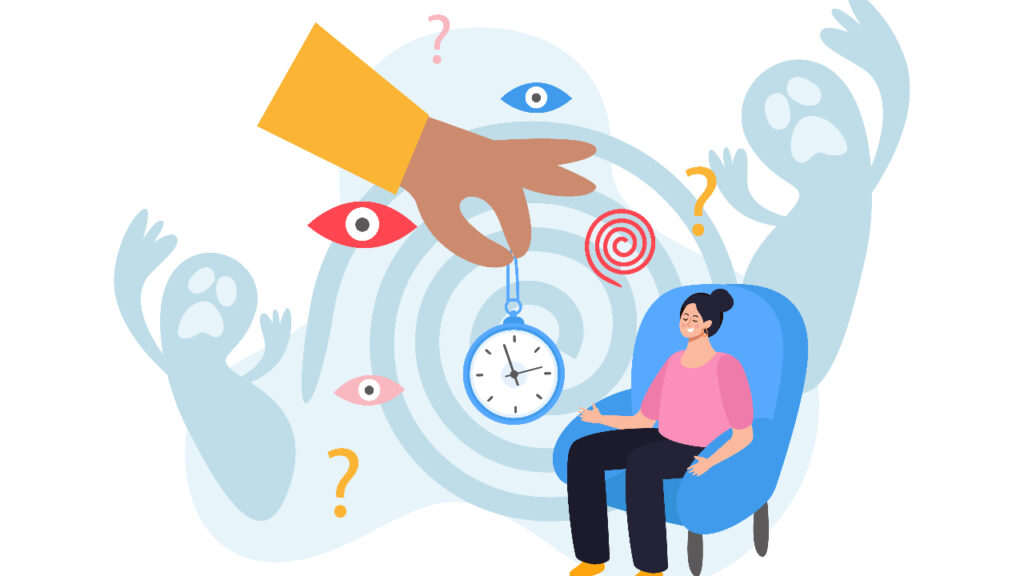
You do not have to throw away your devices to find peace. Tech is useful. But your brain needs a break from the constant flow of data. Screens keep your mind in a state of high alert. This makes it hard to focus on one task for long.
Taking regular gaps from your phone helps your brain reset. Try leaving your phone in a different room during dinner. This stops you from checking notifications every few minutes. Go for a walk without your earbuds. Listen to the wind or the cars instead of a podcast. Set a window of three hours each day where you avoid social media.
These habits stop overstimulation. Overstimulation happens when your senses take in more info than they can handle. It leads to brain fog and stress. When you cut the noise, your mind clears. Small shifts in your daily routine create big gains in how you concentrate. You will find it easier to read a book or finish a project. Simple limits bring back your focus.
Fortunately, yes.
The brain is highly adaptable.
Just as repeated distractions train your brain to lose focus, consistent habits can strengthen your ability to concentrate again.
Reading books, practicing mindfulness, sleeping well, exercising, and reducing unnecessary screen time all encourage deeper attention over time.
Improvement won’t happen overnight, but it is entirely possible.
As technology continues evolving, overstimulation will likely become an even bigger challenge.
Artificial intelligence, personalized content, and increasingly sophisticated algorithms are designed to capture attention more effectively than ever before.
Learning how to protect your focus may become one of the most valuable life skills of the digital age.
People who intentionally manage distractions will likely enjoy greater productivity, better mental health, and stronger relationships.
Overstimulation has quietly become one of the biggest obstacles to focus in modern life. Constant notifications, endless scrolling, information overload, and digital distractions train our brains to expect continuous stimulation, making deep concentration feel increasingly difficult.
The encouraging news is that this isn’t permanent. By creating healthier digital habits, protecting uninterrupted work time, improving sleep, and allowing your brain regular moments of quiet, you can gradually rebuild your ability to focus.
In a world where everything is competing for your attention, learning to control what deserves your focus may be one of the most valuable investments you can make.