Creative Indoor Play Ideas to Keep Kids Happy and Engaged
September 18, 2026
0
Some days, getting kids outside simply is not an option. Rain, extreme temperatures, busy schedules, limited outdoor space, or those surprisingly energetic evenings can all turn the living
Some days, getting kids outside simply is not an option. Rain, extreme temperatures, busy schedules, limited outdoor space, or those surprisingly energetic evenings can all turn the living room into the main playground. The good news is that staying indoors does not have to mean reaching for a screen every time boredom appears.
The right indoor play ideas can turn an ordinary afternoon into something kids genuinely look forward to. A few cushions can become an obstacle course, a cardboard box can transform into a spaceship, and a blanket can suddenly become the roof of an imaginary campsite.
What makes indoor play especially useful is its flexibility. You do not need a huge playroom or a house filled with expensive toys. Many activities can be created with things you already have around the home. The real ingredient is giving children enough freedom to experiment, move, imagine, build, and make choices.
The best indoor play ideas also change with age and personality. One child might happily spend an hour creating an elaborate pretend restaurant, while another would rather climb, crawl, jump, and complete physical challenges. Some children need quiet activities after a busy day, while others seem to have unlimited energy.
Instead of searching for one perfect activity, it helps to have a collection of indoor play ideas ready to go. That way, you can choose something that fits the mood, available space, and amount of time you have.
Turn the Living Room Into an Obstacle Course
One of the easiest indoor play ideas is creating a simple obstacle course using furniture and household objects.
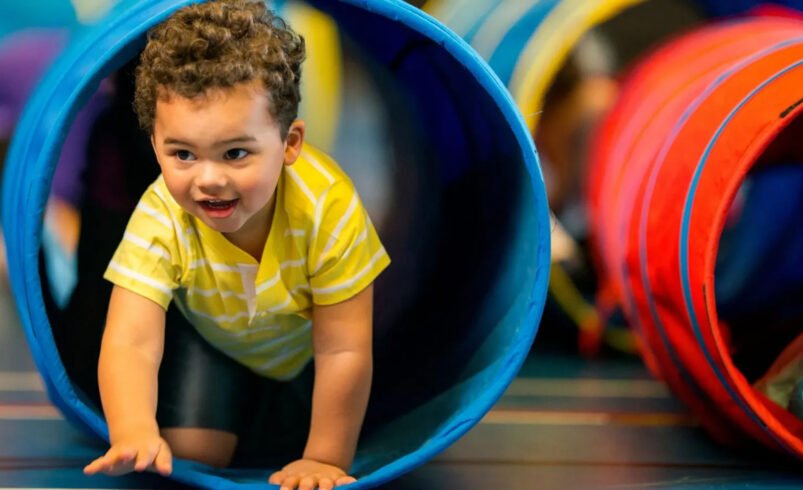
You can place cushions on the floor for stepping points, create a tunnel beneath chairs and blankets, put pillows around the room as “islands,” and use painter’s tape to make a line that children have to follow.
The course does not need to be complicated. In fact, a simple setup can be more fun because children can help design it.
Ask them to decide where the starting point should be and what challenge comes next. Maybe they have to crawl under a table, jump over three cushions, balance along a taped line, and finish by throwing a soft ball into a basket.
This is one of those indoor play ideas that can change every time you use it. Rearrange the obstacles and suddenly the same room becomes a completely different challenge.
For younger children, keep everything low and soft. Older children can handle more complicated sequences, provided the environment remains safe and there is enough room to move without bumping into sharp corners or unstable furniture.
You can even introduce a story. The floor might be lava, the cushions could be stepping stones across a river, and the basket at the end could be a treasure chest.
Once imagination gets involved, a few household objects can provide surprisingly long-lasting entertainment.
Build a Cozy Reading and Storytelling Corner
Not every indoor activity needs to involve running around. Some of the best indoor play ideas create a calmer space where children can slow down while still using their imagination.
Choose a comfortable corner and add cushions, blankets, stuffed animals, and a few favorite books. If you have a small tent or playhouse, it can become a dedicated reading hideaway.
Instead of simply reading the book yourself, invite children to become part of the story.
Ask them what they think will happen next. Let them invent a different ending. Have them choose voices for different characters or create a new character who joins the story.
You can also make storytelling completely independent of books. Give your child three random objects, such as a toy dinosaur, a spoon, and a small ball, and ask them to create a story connecting all three.
This simple activity can lead to some wonderfully strange stories.
Storytelling is also one of the indoor play ideas that can work across different ages. Younger children can describe pictures, while older children can build longer plots and characters.
If siblings are involved, let each child add one sentence to the story. The resulting tale may make absolutely no sense, but that is part of the fun.
Create a Pretend Restaurant or Grocery Store
Pretend play is a fantastic way to keep children occupied because it gives them an entire world to control.
Turn a corner of the room into a restaurant, café, grocery store, bakery, or food truck. Use toy food if you have it, but everyday objects can work just as well.
A few empty food boxes, plastic containers, paper bags, and wooden spoons can become an impressive pretend shop.
Let the children make menus and price tags. They can draw pictures of food, decide what everything costs, and create their own shopping lists.
You can become the customer while your child runs the store, or siblings can take turns being the cashier and shopper.
Among the most engaging indoor play ideas, pretend shopping is especially flexible because children can keep changing the scenario. Today the store might sell fruit. Tomorrow it could become a pet shop or a magical potion store.
Older children can practice simple counting and addition by handling pretend money. Younger children can focus on naming objects, sorting colors, and following simple instructions.
The activity becomes even more interesting when children are allowed to make the rules themselves.
Set Up an Indoor Art Studio
A rainy afternoon is an excellent excuse to create something messy and colorful.
Set up a small art station with paper, crayons, washable markers, colored pencils, stickers, cardboard, and whatever craft supplies you already have. You do not need a complicated project.
Sometimes the best indoor play ideas begin with an open-ended question: “What can you make with these?”
Give children a cardboard box and see where they take it. It could become a robot, house, race car, mailbox, puppet theater, or something nobody expected.
You can also create themed art sessions. One day might be “design your dream bedroom.” Another could involve drawing imaginary animals or creating paper crowns.
Avoid correcting the artwork or trying to make it look a certain way. The point is exploration, not producing something worthy of being displayed in a gallery.
For younger children, focus on large movements, colors, textures, and simple shapes. Older children may enjoy more detailed projects such as comic strips, paper models, or handmade cards.
Art-based indoor play ideas can also become keepsakes. Save a few favorite creations and date them. Looking back at them later can be surprisingly special.
Make a DIY Indoor Treasure Hunt
A treasure hunt can turn an ordinary home into an adventure without requiring much preparation.
Hide a small prize or simply choose a final destination, then create a series of clues leading children from one location to another.
The clues can be simple for younger children. For example, a picture of a chair can indicate where they should go next.
Older children can handle written riddles, simple codes, or clues based on household objects.
You can make the treasure hunt part of a larger story. Perhaps the children are explorers searching for a lost treasure, detectives solving a mystery, or astronauts trying to recover something from another planet.
This is one of the indoor play ideas that can be adjusted to almost any age.
For a learning element, include counting challenges, simple spelling clues, colors, shapes, or basic math problems.
The final “treasure” does not need to be a purchased toy. It could be choosing the family movie that evening, getting an extra bedtime story, or discovering a favorite snack.
The excitement comes from the journey.
Build a Fort With Blankets and Cushions
Few indoor play ideas are as simple or universally appealing as building a fort.
Use blankets, sheets, cushions, chairs, and pillows to create a small hideaway. Let children decide what their fort should become.
Maybe it is a castle. Maybe it is a secret spy headquarters. Maybe it is a campsite in the middle of a forest.
Once the fort is built, the activity does not have to end. Bring books inside, have a pretend picnic, tell stories, play with stuffed animals, or use flashlights to create shadow shapes.
Children often enjoy the building process just as much as the finished fort. They have to figure out how to position blankets, balance cushions, and make enough room for everyone.
Keep safety in mind by avoiding heavy objects that could fall and making sure children can easily get in and out.
The beauty of fort-building is that it can be completely different every time. Change the location or theme and you have a fresh activity without buying anything new.
Create a Mini Indoor Camping Adventure
Once the fort is ready, why not turn it into an indoor camping trip?
Dim the lights, bring out sleeping bags or blankets, and pretend the family has arrived at a campsite.
You can make paper “campfire” flames, tell stories, play quiet games, or pretend to cook dinner over the fire.
For younger children, stuffed animals can become camping companions. Older kids might enjoy creating a campsite map or planning a pretend hiking route through the house.
This is one of the indoor play ideas that combines imagination with a calming atmosphere, making it particularly useful toward the end of the day.
You can also add a pretend weather challenge. What happens if a storm arrives? How will the campers protect the supplies? What animals might live nearby?
The goal is not to make the experience realistic. It is to give children a setting where they can create their own story.
Even an ordinary living room can feel completely different once the lights are low and everyone is gathered inside a homemade campsite.
Organize a Dance and Movement Party
Sometimes children simply need to move.
Put on a few favorite songs and turn the room into a mini dance floor. Encourage everyone to invent dance moves, freeze when the music stops, or copy a leader.
You can create different rounds to keep the activity interesting.
One round might involve dancing like different animals. Another could involve moving in slow motion. You can even call out movements such as “jump,” “spin,” “march,” or “freeze.”
These indoor play ideas are especially useful when children have been stuck inside for hours and have a lot of energy to burn.
You do not need special equipment. Clear a safe area, move fragile objects out of the way, and choose music that suits the age group.
A movement game can also become a simple memory challenge. Create a sequence of three movements and see whether children can copy it. Gradually add more movements as they improve.
It is playful, energetic, and easy to repeat.
Set Up a Building and Construction Challenge
Give children blocks, magnetic tiles, cardboard pieces, cups, or other safe construction materials and introduce a challenge.
Instead of simply saying “build something,” give them a mission.
Can they build the tallest tower? Can they create a bridge that holds a toy car? Can they construct a house for a stuffed animal?
Open-ended building is one of the indoor play ideas that can keep changing as children’s skills develop.
Younger children might enjoy stacking and knocking down. Older children can start thinking about stability, balance, structure, and problem-solving.
Try not to step in too quickly when something collapses. Let children experiment with why it happened and what they could change.
You can even turn the activity into a timed challenge, although there is no need to make it competitive. The goal is to encourage creative thinking.
The best part is that the same building materials can produce a completely different creation every afternoon.
Make a Simple Sensory Play Station
Sensory play can be wonderfully engaging because it gives children something to touch, move, sort, scoop, and explore.
Depending on age and safety considerations, you can use materials such as dry rice, pasta, kinetic sand, water, play dough, or other child-appropriate materials.
Place the activity in a tray or container to make cleanup easier.
Add cups, spoons, funnels, toy animals, or other safe objects and let children explore.
You can turn the activity into a pretend bakery, construction site, dinosaur excavation, or underwater world.
Sensory indoor play ideas do not need complicated instructions. In many cases, children become more absorbed when adults give them materials and let them decide what to do.
For younger children, supervision is particularly important because some sensory materials are not suitable for children who may put objects in their mouths.
You can also create less messy sensory activities. Sorting buttons by color, arranging fabric textures, or creating a texture collage can provide a similar hands-on experience.
Turn Everyday Chores Into Play
Some of the most overlooked indoor play ideas involve activities that are already part of daily life.
Children can help sort clean laundry by color, match socks, organize toys, wipe a table, or arrange books.
Of course, chores should remain age-appropriate, but children often enjoy having a real job when it is presented as a challenge rather than a task.
You can turn sock matching into a speed game. Ask children to organize books by size. Let them create categories for their toys.
Pretend play can also be added. A child cleaning up stuffed animals could be running an animal rescue center. Sorting clothes could become a fashion shop.
This approach has another advantage: the activity does not require additional toys or preparation.
It also gives children a sense of responsibility. They are not simply being entertained; they are participating in the household.
Some indoor play ideas are at their best when they quietly blend play with everyday learning.
Create a Simple Science Experiment
Children naturally ask questions about how things work, so a few basic science activities can become excellent indoor entertainment.
You might explore what floats and sinks, create a simple color-mixing activity, test which objects roll fastest, or make a homemade volcano with suitable household ingredients under adult supervision.
Keep the experiments simple enough that children can observe what happens.
Before starting, ask what they think will happen. Afterward, ask whether the result surprised them.
The conversation is often just as valuable as the experiment itself.
These indoor play ideas work particularly well for children who love asking “why?” because the activity gives them something concrete to investigate.
You can also keep a small science notebook where children draw what they observed.
Older kids can make predictions and record results. Younger children can focus on describing colors, movement, sounds, or textures.
You do not need to turn the activity into a formal lesson. Curiosity is enough.
Host a Family Game Challenge
Board games, card games, puzzles, matching games, and simple homemade challenges can all become part of a family game afternoon.
If you do not have many traditional games, create your own.
Draw a simple board on paper and invent rules together. Make cards with animals, colors, actions, or questions. Create a memory game by drawing matching pairs.
The best indoor play ideas often become more enjoyable when children have some control over the rules.
Let them decide what happens when someone lands on a particular square. Ask them to invent a new card. Give everyone a chance to contribute.
For younger children, keep rules short and easy to remember. Older children may enjoy games involving strategy, memory, storytelling, or problem-solving.
Do not worry if the first version of the game is chaotic. The process of creating it is part of the entertainment.
And if everyone starts laughing because the rules make absolutely no sense, you may have accidentally created a family tradition.
Create a Rotating Indoor Play Zone
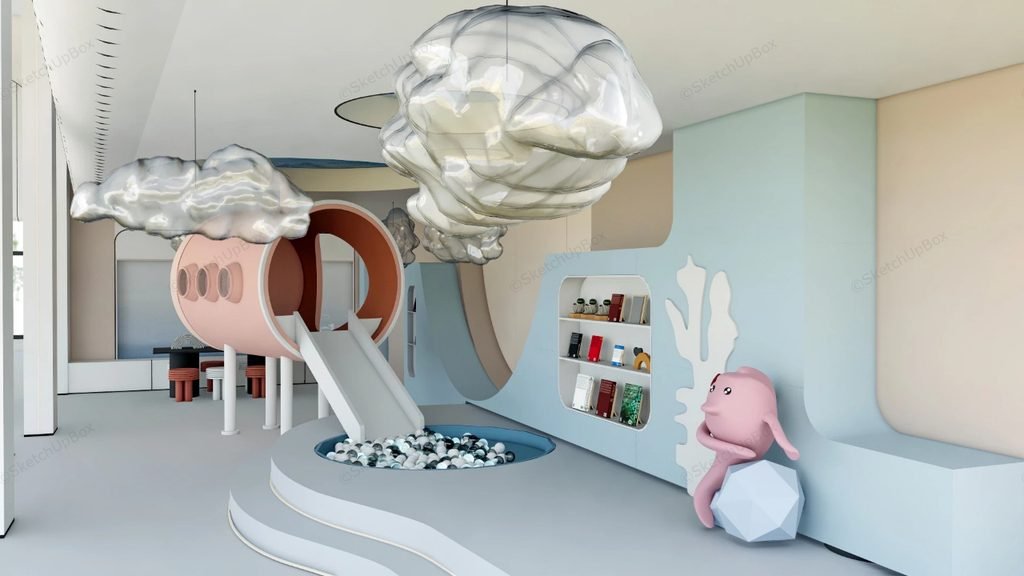
If indoor play happens frequently in your home, creating a rotating play area can make activities feel fresh without constantly buying new things.
Choose a small section of the room and change its theme every few days.
One week it could be an art studio. The next could be a pretend kitchen. Then it could become a reading corner, building station, or mini adventure zone.
This is one of the indoor play ideas that works especially well for families with limited space because you are not creating several permanent playrooms.
You are simply changing the purpose of one area.
Keep a small box of activity materials nearby so children can help with the setup. When the theme changes, rotate the toys and supplies rather than putting everything out at once.
Having fewer choices can actually make play easier because children are not overwhelmed by dozens of possibilities.
The rotating setup also gives children something to anticipate.
Keep Indoor Play Fun Without Making It Complicated
The best indoor play ideas are not necessarily the most elaborate ones.
A cardboard box can become a car. A blanket can become a tent. A few cushions can become stepping stones. A paper plate can become a mask. A pile of books can become a miniature library.
What matters is giving children space to participate.
Instead of planning every minute, offer a starting point and let them take the activity somewhere unexpected.
That is often where the most creative moments happen.
It is also worth remembering that children do not need to be entertained constantly. Independent play is valuable too. Once you have provided a safe environment and interesting materials, give them the opportunity to explore without directing every step.
You might be surprised by what they invent when there is no adult instruction telling them what the activity is supposed to become.
FAQs About Indoor Play Ideas
What are some easy indoor play ideas for kids?
Simple options include blanket forts, treasure hunts, obstacle courses, pretend shops, dance games, building challenges, art stations, sensory play, and storytelling. Many can be created with everyday household items.
How can I keep kids entertained indoors without screens?
Give children activities that involve movement, imagination, building, creating, or problem-solving. Obstacle courses, forts, pretend play, crafts, treasure hunts, and construction challenges are all useful alternatives to screen-based entertainment.
What indoor play ideas work for younger children?
Younger children often enjoy simple sensory activities, stacking blocks, soft obstacle courses, pretend kitchens, music and movement, picture books, and basic sorting games. Always choose materials appropriate for their age and supervise activities that involve small objects.
How can I make indoor play more educational?
You do not need to turn every activity into a lesson. Add simple counting, sorting, storytelling, measuring, predicting, or problem-solving elements. Building challenges and treasure hunts can naturally introduce these skills while remaining playful.
How can I encourage independent indoor play?
Create a safe area with a few accessible activities and allow your child to choose what they want to explore. Avoid giving too many instructions. Rotating toys and activity materials can also make familiar spaces feel new.
Are indoor play activities useful for active kids?
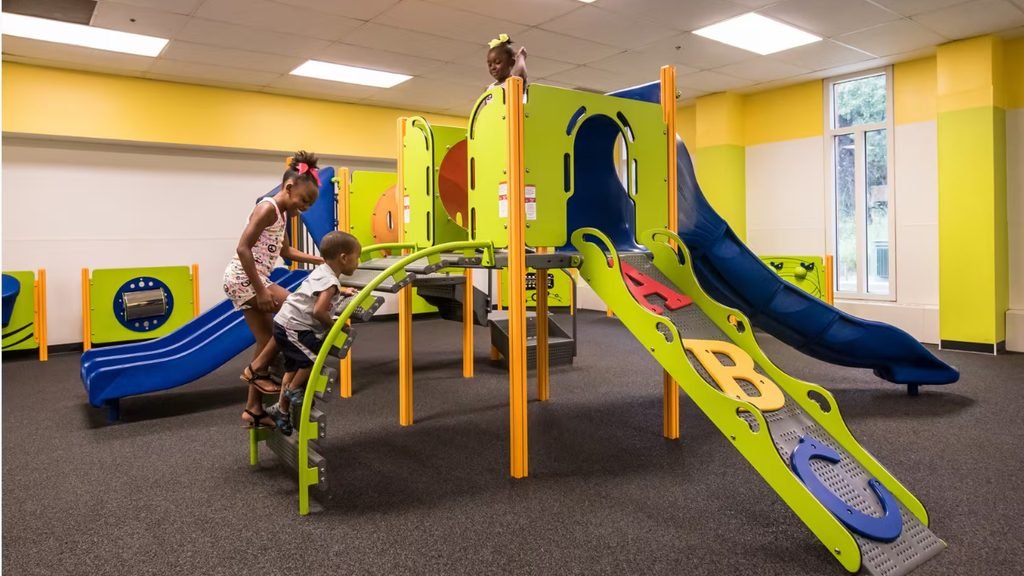
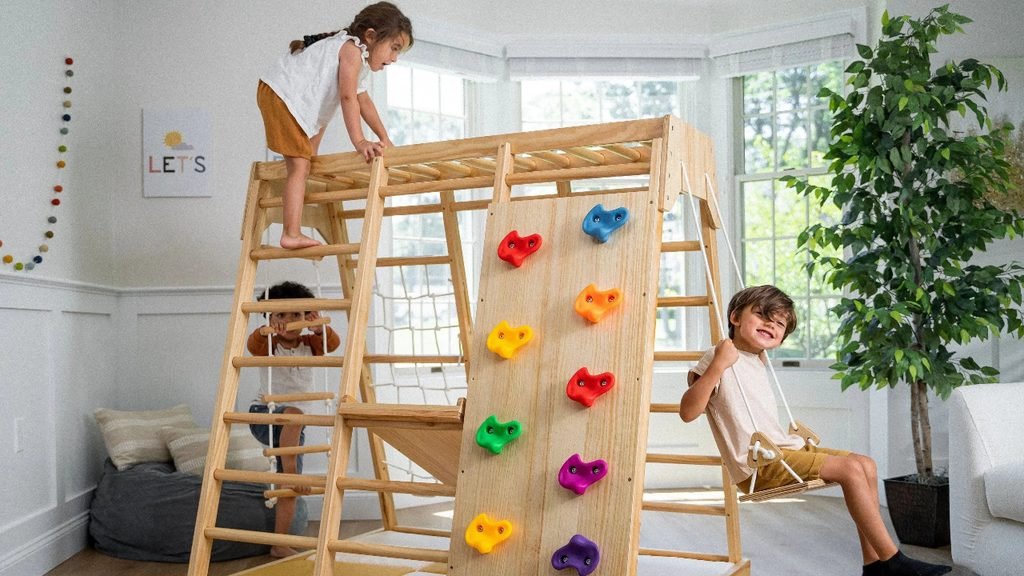
Yes. Indoor obstacle courses, dance games, climbing activities designed for safe home use, movement challenges, and crawl-through games can give active children opportunities to move when outdoor play is not practical.
How much space do I need for indoor play?
You do not need a large room. Many indoor play ideas can be adapted to a small area. A corner can become an art station, a blanket can become a fort, and a clear section of floor can become a movement or building area.
How can I make indoor play less messy?
Use trays or washable mats for sensory activities, keep art supplies contained, choose washable materials, and set clear boundaries for messy play. Having a designated activity area can also make cleanup much easier.
What if my child gets bored quickly?
Try changing the activity rather than adding more toys. A familiar activity can feel completely different when you introduce a new theme or challenge. For example, a simple building set can become a castle challenge, rescue mission, or pretend city.
Should parents participate in indoor play?
Parents can participate, but they do not need to direct everything. Joining occasionally can strengthen connection and introduce new ideas, while allowing children to take the lead gives them opportunities to develop independence and creativity.
Keeping children happy indoors does not require a constant supply of new toys or elaborate plans. Sometimes all it takes is a little imagination and a willingness to see ordinary household objects differently. The Tiny Land store can be a useful place to explore playroom pieces, creative toys, active-play equipment, and other options for building an engaging space at home. And when you are ready to shop, WellnGoods provides 100% Verified Tiny Land coupon codes, giving you a chance to save while purchasing from the Tiny Land store and creating an indoor play space filled with activities your children can enjoy.