


Why Your Attention Span Is Getting Worse
- June 14, 2026
- 0
Have you ever picked up your phone to check one notification, only to realize 20 minutes have passed? Or maybe you’ve found yourself rereading the same paragraph because


9621 Agnes Crossing, Lake Suzanneview, New Mexico Island 84604-9295.
Have you ever picked up your phone to check one notification, only to realize 20 minutes have passed? Or maybe you’ve found yourself rereading the same paragraph because
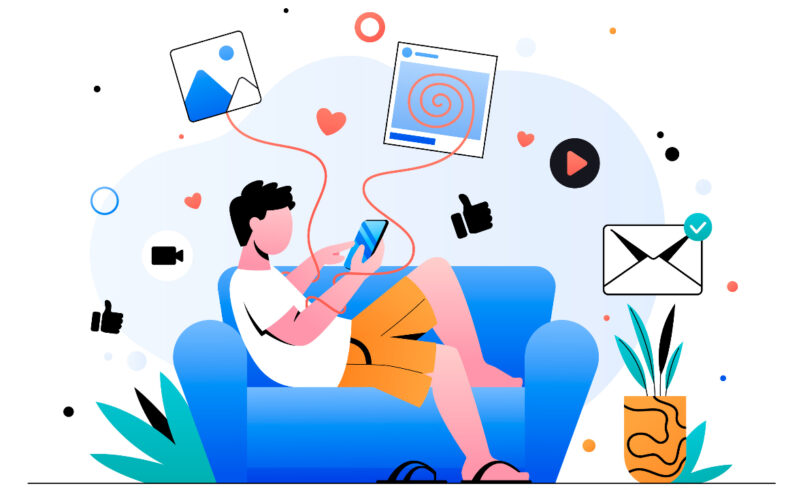
Have you ever picked up your phone to check one notification, only to realize 20 minutes have passed? Or maybe you’ve found yourself rereading the same paragraph because your mind keeps wandering. If so, you’re not alone.
Many people feel like their attention span isn’t what it used to be. Reading books feels harder, focusing at work is more challenging, and even watching a full-length movie without reaching for a phone can seem difficult.
It’s easy to blame ourselves, but the problem isn’t simply a lack of willpower.
Modern lifestyles constantly compete for our attention. Smartphones, social media, endless notifications, stress, poor sleep, and information overload all encourage our brains to switch focus instead of maintaining it.
The good news is that understanding why your attention span is getting worse is the first step toward improving it.
Digital stimulation is a primary cause of shrinking attention spans. We deal with a flood of data every single day. It starts the second we wake up. Most people reach for a phone to check emails or read group chats. Then come the social media feeds. Apps like TikTok and Instagram use short videos to hook us. We see a breaking news alert. We see an ad for a product. Then we switch to a streaming app.
Our brains rarely stay on one task for long. We jump from a work task to a text message. We switch from a video to a news clip. This fast switching creates a loop. The brain gets a hit of dopamine with every new piece of information. This is called novelty seeking.
Over time, this becomes a habit. The mind expects a new thrill every few seconds. Long tasks start to feel boring. Reading a book or sitting through a long meeting becomes hard. The brain has been trained to crave a change in input. Sustained focus feels like a chore because the mind is waiting for the next ping. This makes deep concentration much harder than it used to be.
Social media has fundamentally changed how we consume information.
Platforms are designed to keep users engaged for as long as possible by offering an endless stream of new content.
Every swipe introduces something different.
Whether it’s a funny video, a news update, or a trending post, each new piece of content encourages the brain to seek another quick reward.
This makes slower activities like reading, studying, or deep work feel less stimulating by comparison.
Moderation—not complete avoidance—is often the healthiest approach.
Short-form videos have become one of the most popular forms of entertainment.
While they’re enjoyable and convenient, consuming hundreds of very short videos each week may encourage shorter periods of sustained attention.
Our brains become accustomed to receiving new information every few seconds.
As a result, longer content can begin to feel unusually slow.
Balancing short-form entertainment with activities that require deeper concentration can help maintain healthy attention habits.
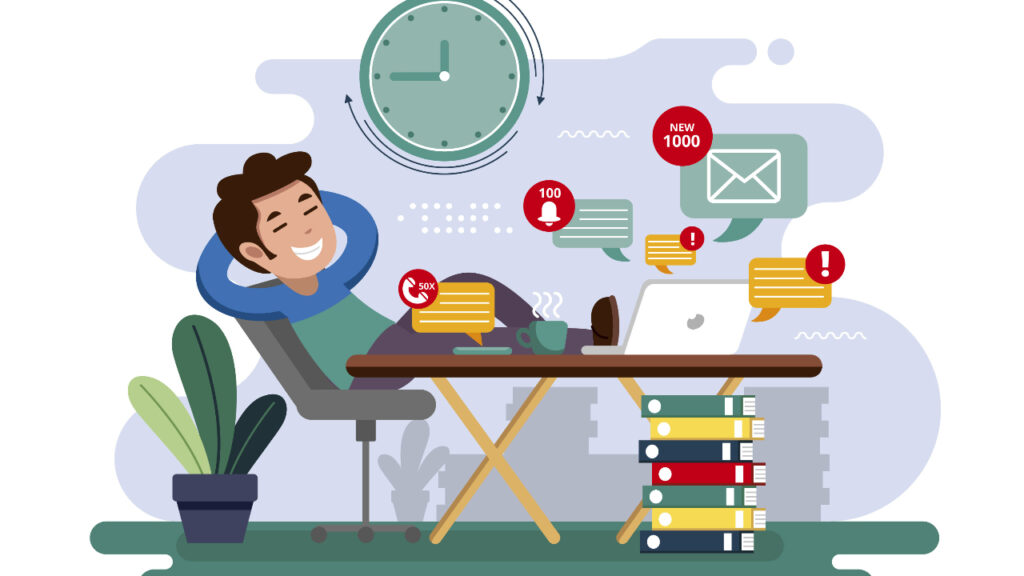
Notifications interrupt our focus far more often than many people realize.
Every alert briefly shifts our attention away from the task we’re performing.
Although checking a message may only take a few seconds, returning to full concentration often takes much longer.
When these interruptions happen repeatedly throughout the day, productivity and focus naturally decline.
Disabling unnecessary notifications can significantly reduce these disruptions.

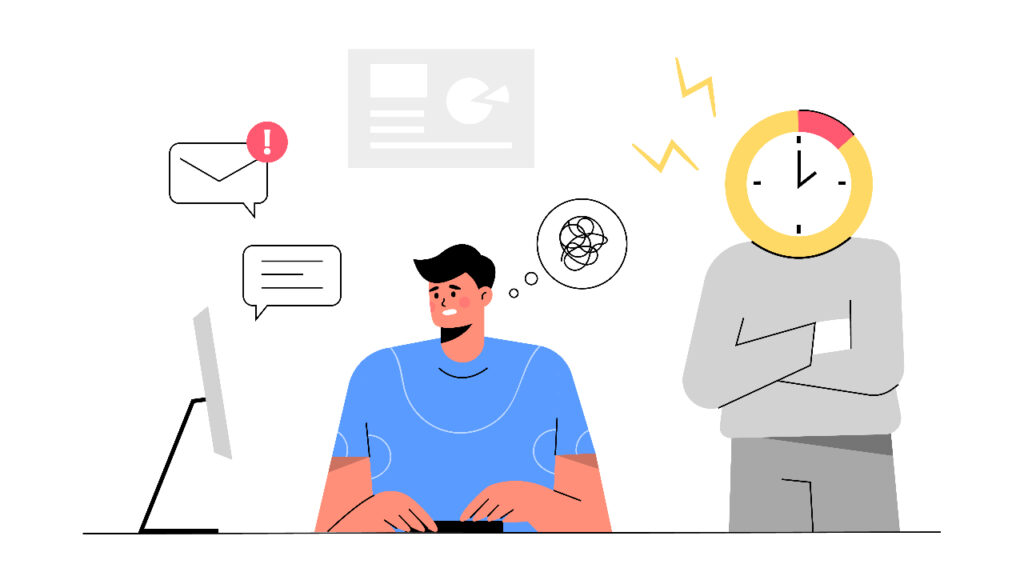
Many people think they are great at multitasking. They feel productive when they answer emails during a meeting or text while working on a report. The human brain does not actually do two hard tasks at once. It cannot process two streams of high level thought at the same time.
Instead, the brain jumps back and forth between tasks very fast. This is called context switching. Every time you switch, your mind has to stop one thought and start another. This takes a lot of energy. It is like a car stopping and starting in heavy traffic.
This constant jumping wears you out. By the end of the day, your brain feels tired. This mental drain makes it hard to stay focused on one thing for long. You might find yourself staring at a screen without making progress. You make more mistakes when you jump around.
Single tasking gets better results. When you give one job your full attention, you finish it faster. The quality of the work improves. You reach a state of deep focus that multitasking kills. Working on one thing at a time saves energy and keeps your mind sharp.
Sleep is one of the most overlooked factors affecting attention.
When we don’t get enough quality sleep, the brain struggles with concentration, memory, learning, and decision-making.
Many people try to compensate with caffeine, but no amount of coffee can fully replace proper rest.
Maintaining consistent sleep habits remains one of the most effective ways to improve focus.
Stress constantly competes for our mental resources.
When the brain is busy processing worries, deadlines, or uncertainty, fewer resources remain available for focused thinking.
Even simple tasks may begin to feel mentally exhausting.
Managing stress through exercise, mindfulness, or regular breaks can help improve concentration over time.
Never before have humans had access to so much information.
News articles, podcasts, newsletters, videos, online courses, and social media all compete for our attention.
While access to knowledge is valuable, consuming too much information without giving the brain time to process it can reduce our ability to focus deeply.
Sometimes, consuming less information actually improves learning.
Many apps and websites use a design that gives users fast rewards. Every like on a photo or a new comment on a post acts as a tiny prize. Notifications and short videos do the same thing. These triggers release dopamine in the brain. Dopamine is a chemical that makes you feel a quick hit of pleasure. This feeling tells your brain to keep scrolling or clicking to get more of that hit.
When this happens every few seconds, it changes how we focus. The brain starts to crave these easy wins. Reading a long book or learning a new skill takes time and hard work. These tasks do not give an immediate reward. Over time, the brain may stop wanting to do things that require patience. It prefers the fast hit of a smartphone screen over a slow goal.
Dopamine is not bad. Your brain needs it to feel motivated. The problem is the speed of the reward. Balancing these fast hits with slow, deep work helps keep your mind sharp. Spending time on a hobby or a real conversation provides a different kind of satisfaction. This kind of fulfillment lasts longer than a notification.
A shorter attention span often leads to lower productivity.
People spend more time switching tasks, checking notifications, and recovering from interruptions.
As a result, work that should take one hour may require much longer.
Protecting periods of uninterrupted focus can dramatically improve both productivity and work quality.
Mental health and attention are closely connected.
Anxiety, depression, and chronic stress can all make concentrating more difficult.
Likewise, constantly feeling distracted may increase frustration and reduce motivation.
Supporting overall mental wellbeing often has positive effects on attention and cognitive performance.
The good news is that you can train your brain to focus better. Attention works like a muscle. If you do not use it, it gets weak. If you work it out, it gets stronger.
You can build this skill with a few easy habits. Read a physical book for twenty minutes. This forces your mind to stick with one topic. Set a timer to limit social media use. Constant scrolling trains your brain to want a new hit of info every few seconds. This kills your span of focus.
Spend time in nature. A walk in the woods helps your mind reset. Exercise your body to clear your head. Regular movement pumps more oxygen to your brain. Sleep is also key. Your brain cleans out waste and stores memories while you sleep. Without seven or eight hours, your mind feels foggy.
Try mindfulness. This means paying attention to the present moment without judging it. You can do this by focusing on your breath for two minutes.
You do not need to be perfect. Consistency is what counts. If you miss a day, just start again. Small changes made every day lead to big results over time. Focus a little more today than you did yesterday. That is how you win.
Absolutely.
The brain adapts to repeated behaviors.
If constant distractions can weaken focus, healthier habits can gradually rebuild it.
Improving attention doesn’t require eliminating technology.
Instead, it means using technology more intentionally while creating opportunities for uninterrupted concentration.
As technology continues evolving, protecting our attention will become increasingly important.
Artificial intelligence, personalized algorithms, and digital entertainment will likely create even more competition for our focus.
Learning how to manage distractions may become one of the most valuable skills for maintaining productivity, learning, and overall wellbeing.
If your attention span feels shorter than it once was, you’re certainly not alone. Modern lifestyles expose us to constant digital stimulation, endless notifications, information overload, and stress that make sustained concentration increasingly difficult.
Fortunately, attention isn’t fixed. By improving sleep, reducing distractions, managing stress, limiting unnecessary screen time, and creating opportunities for focused work, you can gradually strengthen your ability to concentrate.
The goal isn’t to eliminate technology entirely. It’s to create healthier habits that allow your brain to focus on what matters most, even in a world designed to compete for your attention.