Sleepmaxxing has quickly become one of the most talked-about wellness trends online. Across social media platforms, influencers and health enthusiasts are sharing elaborate nighttime routines designed to maximize
Sleepmaxxing has quickly become one of the most talked-about wellness trends online. Across social media platforms, influencers and health enthusiasts are sharing elaborate nighttime routines designed to maximize sleep quality. From blackout curtains and magnesium supplements to mouth tape, sleep trackers, and strict bedtime schedules, people are investing more time and money into optimizing their sleep than ever before.
The idea behind sleepmaxxing is simple: if sleep affects nearly every aspect of health, then improving sleep should improve overall wellbeing. Better sleep has been linked to improved energy, mental clarity, mood, productivity, recovery, and long-term health outcomes. As a result, many people have become obsessed with finding ways to sleep better.
However, like many wellness trends, sleepmaxxing raises important questions. Is it actually healthy to focus so heavily on optimizing sleep? Are the popular sleepmaxxing habits backed by science, or are some of them simply social media trends? Most importantly, can trying too hard to achieve perfect sleep actually create new problems?
Understanding the rise of sleepmaxxing requires looking at both its benefits and potential drawbacks.
Why This Sleep Trend Is Taking Over Social Media
Sleepmaxxing became popular because people are finally recognizing how important sleep truly is.
For years, modern culture often glorified being busy. Many people viewed sleep as something that could be sacrificed in pursuit of productivity, work, education, or social activities. Staying up late and surviving on minimal sleep was sometimes treated as a sign of dedication.
Over time, research and public awareness began shifting that perspective.
People started realizing that poor sleep affects nearly every part of daily life. Lack of sleep can influence concentration, emotional regulation, physical performance, decision-making, and overall wellbeing.
As this awareness grew, sleep became a major focus in wellness communities.
Social media amplified the trend, turning sleepmaxxing into a viral movement.
The Science Behind Better Sleep
Sleepmaxxing is built on the understanding that sleep is one of the most important foundations of health.
During sleep, the body performs essential recovery processes. Muscles repair themselves, hormones are regulated, and the brain processes information gathered throughout the day.
Sleep also supports memory, learning, and emotional balance.
When sleep quality declines, many areas of life are affected. People often experience lower energy, reduced focus, irritability, and increased stress.
This is one reason why sleepmaxxing appeals to so many individuals. Unlike complicated fitness plans or restrictive diets, improving sleep can potentially influence multiple aspects of health at once.
How Modern Habits Are Disrupting Rest
Sleepmaxxing has gained popularity partly because modern lifestyles often work against healthy sleep habits.
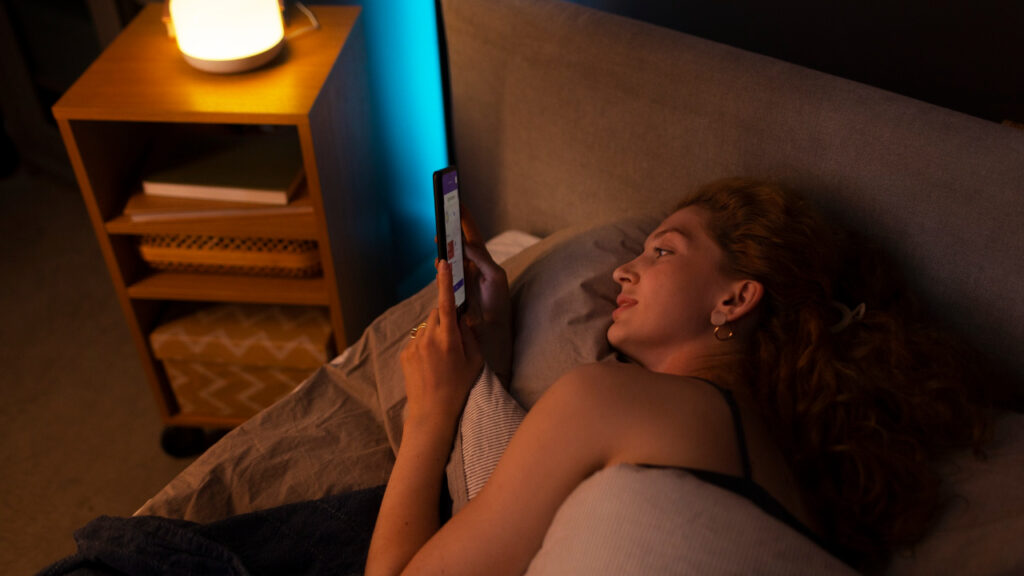
Many people spend hours looking at screens before bed. Notifications, social media, streaming services, and digital entertainment make it difficult for the brain to fully relax.
Work schedules and academic responsibilities also contribute to irregular sleep patterns.
Stress plays a major role as well. Many individuals lie awake thinking about responsibilities, finances, relationships, or future concerns.
As sleep problems become more common, people naturally start looking for solutions.
This demand for better sleep has fueled the rise of sleepmaxxing.
The Role of Influencers and Wellness Culture
Sleepmaxxing owes much of its popularity to social media.
Platforms like TikTok, YouTube, and Instagram are filled with creators sharing detailed nighttime routines.
Many videos showcase sleep optimization habits such as:
Wearing blue-light-blocking glasses
Using sleep-tracking devices
Maintaining strict bedtime schedules
Taking supplements before bed
Using blackout curtains
Reducing nighttime screen exposure
Practicing relaxation techniques
These routines often appear attractive because they promise improved health through relatively simple lifestyle changes.
However, not every sleepmaxxing trend is equally supported by scientific evidence.
Simple Habits That Improve Sleep Quality
Sleepmaxxing often encourages habits that align with good sleep hygiene.
Sleep hygiene refers to behaviors and environmental factors that support healthy sleep.
Examples include:
Going to bed at consistent times
Limiting caffeine late in the day
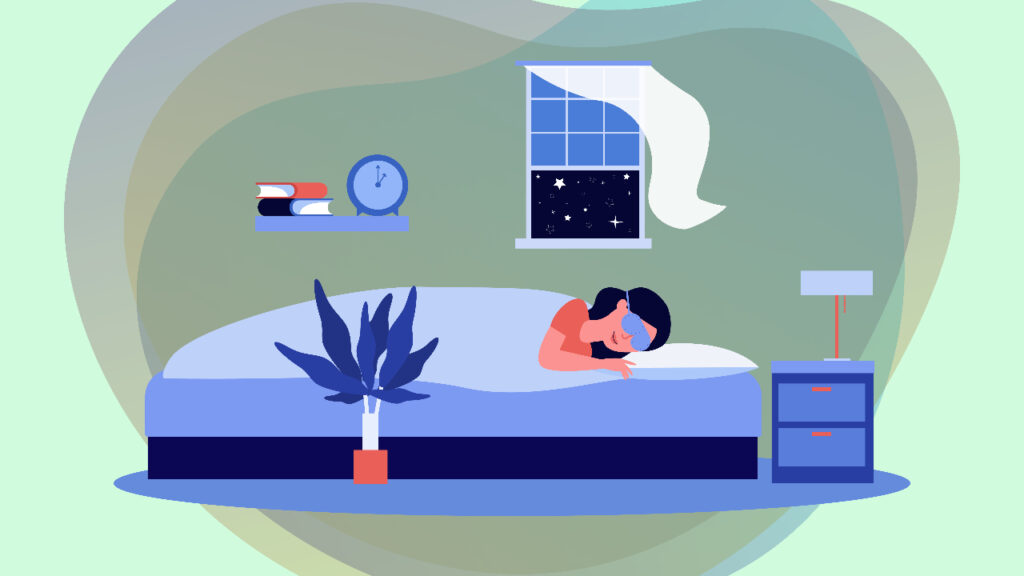
Keeping bedrooms dark and cool
Reducing screen exposure before bed
Creating relaxing bedtime routines
These practices are widely recommended by sleep experts.
For many people, adopting even a few of these habits can significantly improve sleep quality.
In this sense, sleepmaxxing has helped bring greater attention to healthy sleep behaviors.
Smartwatches, fitness trackers, and sleep-monitoring devices have become increasingly popular.
These devices provide data on sleep duration, estimated sleep stages, heart rate, and other health metrics.
For some individuals, this information can be useful. Tracking sleep patterns may help identify habits that affect sleep quality.
However, sleep tracking is not always perfect.
Consumer devices cannot measure sleep as accurately as professional medical equipment. While they provide estimates, the data should not always be treated as absolute fact.
Understanding this limitation is important for healthy sleepmaxxing practices.
Why Recovery Matters More Than Ever
Sleepmaxxing has become particularly popular among athletes and fitness enthusiasts.
Recovery is a major component of physical performance, and sleep plays a critical role in that process.
During sleep, the body repairs tissues, supports muscle recovery, and regulates various biological functions.
People who prioritize fitness often recognize that exercise alone is not enough. Recovery is equally important.
As a result, many athletes have adopted sleep-focused routines as part of their overall health strategies.
Sleepmaxxing and Mental Health
Sleepmaxxing can positively influence mental wellbeing when approached appropriately.
Sleep and mental health are closely connected.
Poor sleep often contributes to increased stress, irritability, and emotional instability. Conversely, quality sleep supports emotional regulation and resilience.
Many individuals report feeling calmer, more focused, and emotionally balanced after improving their sleep habits.
Because mental health concerns are becoming more widely discussed, the connection between sleep and emotional wellbeing has attracted significant attention.
Sleepmaxxing and Productivity
Sleepmaxxing is also linked to productivity culture.
Many people pursue better sleep not only to feel healthier but also to perform better during the day.
Quality sleep supports concentration, memory, and decision-making.
Individuals who sleep well often find it easier to maintain focus and manage responsibilities effectively.
This has made sleep optimization attractive to students, professionals, entrepreneurs, and anyone looking to improve daily performance.
Sleepmaxxing and Potential Risks
Sleepmaxxing may offer benefits, but it is not entirely risk-free.
One concern is becoming overly obsessed with achieving perfect sleep.
Some individuals begin monitoring sleep data constantly, worrying about every minor fluctuation.
This can create anxiety around sleep itself.
Ironically, worrying excessively about sleep may make it harder to fall asleep and stay asleep.
Experts sometimes refer to this phenomenon as orthosomnia, a condition where people become so focused on achieving ideal sleep metrics that it negatively affects their relationship with sleep.
Balance remains important.
Sleepmaxxing and Expensive Wellness Products
Sleepmaxxing has also become a profitable industry.
Many companies market products specifically designed to improve sleep.
These include:
Sleep supplements
Specialized mattresses
Sleep masks
Smart alarm systems
Sleep trackers
Aromatherapy products
Weighted blankets
Some products may provide genuine benefits, while others rely heavily on marketing.
Consumers should remember that healthy sleep often depends more on consistent habits than expensive purchases.
Simple lifestyle changes frequently provide greater benefits than costly gadgets.
Sleepmaxxing and Supplements
Sleepmaxxing communities often discuss supplements.
Products containing melatonin, magnesium, herbal ingredients, and other compounds are commonly promoted for sleep support.
While some supplements may help certain individuals, they are not universal solutions.
Sleep quality is influenced by many factors, including stress levels, lifestyle habits, and overall health.
Anyone considering supplements should approach them carefully and seek reliable information.
Healthy sleep habits should generally form the foundation of any sleep improvement strategy.
Sleepmaxxing and Digital Detoxing
Sleepmaxxing often overlaps with digital detox practices.
Reducing screen exposure before bed is one of the most commonly recommended habits for improving sleep.
Many people spend their final waking hours scrolling through social media, watching videos, or responding to messages.
This constant stimulation can make relaxation more difficult.
Creating screen-free periods before bedtime often supports healthier sleep patterns and encourages better rest.
Sleepmaxxing and Consistency
Sleepmaxxing works best when consistency becomes the priority.
Many people focus on individual products or techniques while overlooking the importance of regular sleep schedules.
Going to bed and waking up at similar times each day can have a significant impact on sleep quality.
Consistency helps regulate the body’s internal clock, making sleep more predictable and restorative.
In many cases, maintaining a reliable routine provides greater benefits than complicated optimization strategies.
Is Sleepmaxxing Actually Healthy?
Sleepmaxxing can absolutely be healthy when approached realistically.
The positive side of the trend is that it encourages people to take sleep seriously. Better sleep hygiene, reduced screen time, and healthier routines can significantly improve wellbeing.
The problem arises when optimization turns into obsession.
Sleep should support life rather than become another source of stress.
The healthiest approach involves focusing on evidence-based habits while avoiding unnecessary anxiety about achieving perfect sleep scores or following every viral trend.
The Future of Sleepmaxxing
Sleepmaxxing is likely to remain popular as people continue prioritizing health and wellbeing.
Awareness of sleep’s importance is growing, and more individuals are recognizing that recovery matters just as much as productivity.
Future trends will probably include even more technology, data tracking, and wellness products.
However, the core principle of sleepmaxxing will likely remain unchanged: helping people improve their quality of life through better sleep.
Conclusion
Sleepmaxxing has emerged as one of the most influential wellness trends because it focuses on a fundamental aspect of health that many people have neglected for years. Better sleep can improve energy, mood, focus, recovery, and overall wellbeing.
While many sleepmaxxing habits align with healthy sleep practices, the trend works best when approached with balance. Good sleep hygiene, consistent routines, and realistic expectations are often far more valuable than expensive products or extreme optimization strategies.
Ultimately, sleepmaxxing is healthiest when it encourages better habits without creating unnecessary pressure. The goal should not be perfect sleep every night, but consistently better sleep that supports a healthier and more balanced life.