I Turned Off Notifications for a Week — 11 Powerful Lessons I Didn’t Expect
July 12, 2026
0
Turned off notifications for one week—that was the simple challenge I gave myself after realizing how often my phone interrupted my day. Every buzz, vibration, and banner notification
Turned off notifications for one week—that was the simple challenge I gave myself after realizing how often my phone interrupted my day. Every buzz, vibration, and banner notification pulled my attention away from whatever I was doing, whether I was working, reading, or spending time with family. I wanted to find out what would happen if I removed those constant interruptions entirely. Would I actually become more productive, or would I just end up checking my phone even more? Here’s what I learned after seven days without non-essential notifications.
For years, I never questioned this habit. My phone buzzed dozens of times a day, and I instinctively reached for it without thinking. Even when I ignored a notification, I found myself wondering what I was missing.
So, I decided to run a simple experiment.
I turned off every non-essential notification on my phone for an entire week. No Instagram alerts, no breaking news, no promotional emails, and no constant vibrations pulling me away from what I was doing.
Here’s what happened.
Turned Off Notifications Reduced Constant Interruptions
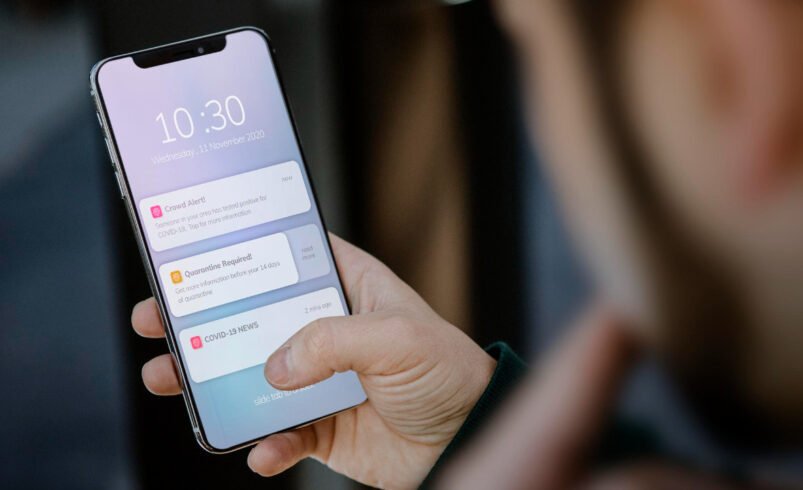
The first thing I noticed was how often my phone interrupted me. Every few minutes, a buzz or a ding broke my focus. I did not realize how much I relied on those pings until they stopped. Emails, texts, and app alerts kept me in a loop of small distractions.
Without the constant noise, my day changed. I could work on a project, read a book, or just relax. I stopped jumping every time the screen lit up. My attention stayed on one task for a long time. This made it much easier to finish what I started. I stopped switching between ten different tabs. I just did the work. The mental fog cleared because I was not fighting for focus.
Turned Off Notifications Improved My Focus
I expected fewer distractions, but the jump in my concentration was a shock. I did not just stop getting interrupted. My brain felt sharper.
Before this, I checked my phone every few minutes. A quick glance at a text or a news alert would break my flow. It took me ten minutes to get back into the zone each time. Now, those urges are gone. I stay locked into my work for hours.
I stopped jumping between five different browser tabs. I used to think multitasking helped me get more done. It actually did the opposite. Now I finish one task before I start the next. This change lets me make real progress on hard projects instead of just skimming the surface.
Turned Off Notifications Reduced Phone Anxiety
Before the experiment, every vibration created a sense of urgency.
Without notifications, that feeling disappeared. I stopped wondering who had messaged me or whether I was missing something important. It was surprisingly calming.
Turned Off Notifications Made Me Check My Phone Less
I assumed I would keep picking up my phone out of habit.
Instead, I found myself checking it far less often. Without visual or audio reminders, I simply forgot about it while focusing on other activities.
Turned Off Notifications Increased Productivity
Small distractions add up quickly. A single Slack ping or a phone alert feels harmless. But every noise broke my focus. I would stop typing to check a text or a news update. These gaps created a problem called context switching. This happens when the brain jumps from one task to another. I had to spend time remembering where I left off.
I spent minutes just trying to find my place in a long document. I had to re-read the last three paragraphs to get my rhythm back. This cost me more time than the alerts themselves. By blocking these pings, I finished more work. I stopped the cycle of starting and stopping. My total output went up. I stayed on one task until it was done.
Turned Off Notifications Improved My Conversations
One surprising benefit was how much more I started to pay attention when I was with other people.
Without my phone lighting up all the time with notifications, I found that my conversations felt much deeper and more meaningful. I really listened to what others were saying and didn’t feel the urge to check my screen every few minutes. This made it easier to connect with my friends and family. Overall, being away from my phone helped me engage more in discussions and enjoy the time I spent with others. I discovered that being truly present can make moments much more special and enjoyable.
Turned Off Notifications Helped Me Sleep Better
I also stopped receiving notifications late at night. Without my phone buzzing beside my bed, I fell asleep more easily and wasn’t tempted to check messages before going to sleep. This change allowed me to unwind and disconnect from the busyness of the day. My evenings felt quieter and less stimulating, creating a more peaceful atmosphere in my home. Instead of scrolling through social media or replying to late-night emails, I started to embrace other calming activities. I began reading books that I had long set aside, losing myself in different worlds and stories that transported me far from my daily routine.
I also took up meditation, which helped me clear my mind and prepare for restful sleep. The absence of constant notifications reduced my stress levels, and I noticed I woke up feeling more refreshed. Each night became an opportunity to recharge my mental and emotional energy, leading to overall improvements in my mood and focus during the day. This simple adjustment transformed my night-time habits and enabled me to develop a more mindful approach to my evening routine. I found that embracing this slower pace allowed me to savor the little moments in life.
Turned Off Notifications Reduced Stress
Constant alerts create the feeling that everything needs your immediate attention.
Turning them off reminded me that very few notifications are actually urgent. Most messages could easily wait until I was ready to check them.
Turned Off Notifications Helped Me Be More Intentional
I stopped letting my phone run my life. I used to jump every time it buzzed or pinged. A random email or a social media alert would pull me away from my work. I was just reacting to noise. Then I changed my rule. I picked set times to check my messages. I might look at my screen at ten in the morning and four in the afternoon.
This change gave me my time back. I felt in charge of my hours again. I stopped feeling rushed by things that did not matter. Now my tools help me get things done. The phone is a tool I use on my own terms. It no longer tells me when to stop thinking or when to start scrolling.
Turned Off Notifications Changed My Screen Time
By the end of the week, my screen time had dropped noticeably.
I wasn’t avoiding my phone completely—I was simply using it with more purpose. I opened apps because I wanted to, not because a notification told me to.
Turned Off Notifications Are Easier Than You Think
One lesson became very clear.
You don’t need to delete social media or throw away your smartphone to reduce distractions. Simply disabling unnecessary notifications creates a surprisingly big improvement with very little effort.
Are Notifications Really Necessary?
Notifications are not all bad. Some alerts keep your life on track. A call from a child or spouse needs an immediate response. Calendar pings stop you from missing a doctor visit. Banking alerts warn you about fraud. Work messages keep projects moving. These tools help you stay organized and safe.
The real issue is the volume of noise. Most apps send pings to trick you into opening them. Shopping apps send fake sales. Games want you to check in daily. Social media sites push alerts for things you do not care about. These pings fight for your focus all day. They break your concentration and cause stress.
You should audit your settings. Go through your app list one by one. Keep the alerts that actually help you. Turn off the rest. If a ping does not add value to your day, it does not belong on your screen.
What I Learned After One Week
The experiment didn’t change my life overnight, but it changed how I think about technology.
I realized I had been allowing apps to dictate my attention without ever questioning it. Once those interruptions disappeared, I felt calmer, more productive, and more present in everyday life.
It’s a habit I’ll continue long after the experiment ended.
Should You Turn Off Notifications?
If you constantly feel distracted, overwhelmed, or glued to your phone, it’s worth trying.
You don’t have to disable everything at once. Start with social media, shopping apps, games, and promotional emails. Keep only the notifications that genuinely matter.
You may be surprised by how quickly your mind adapts to the silence—and how much easier it becomes to focus on the things that deserve your attention.
Conclusion
Turning off notifications for a week showed me that many of my daily distractions weren’t caused by a lack of discipline—they were caused by constant interruptions. Once those interruptions disappeared, it became easier to focus, work efficiently, enjoy conversations, and spend less time glued to my phone.
The experiment also proved that improving your relationship with technology doesn’t always require drastic changes. Sometimes, a simple adjustment in your phone’s settings can have a bigger impact than you expect. If you’re looking for an easy way to reclaim your attention, turning off unnecessary notifications is a great place to start.