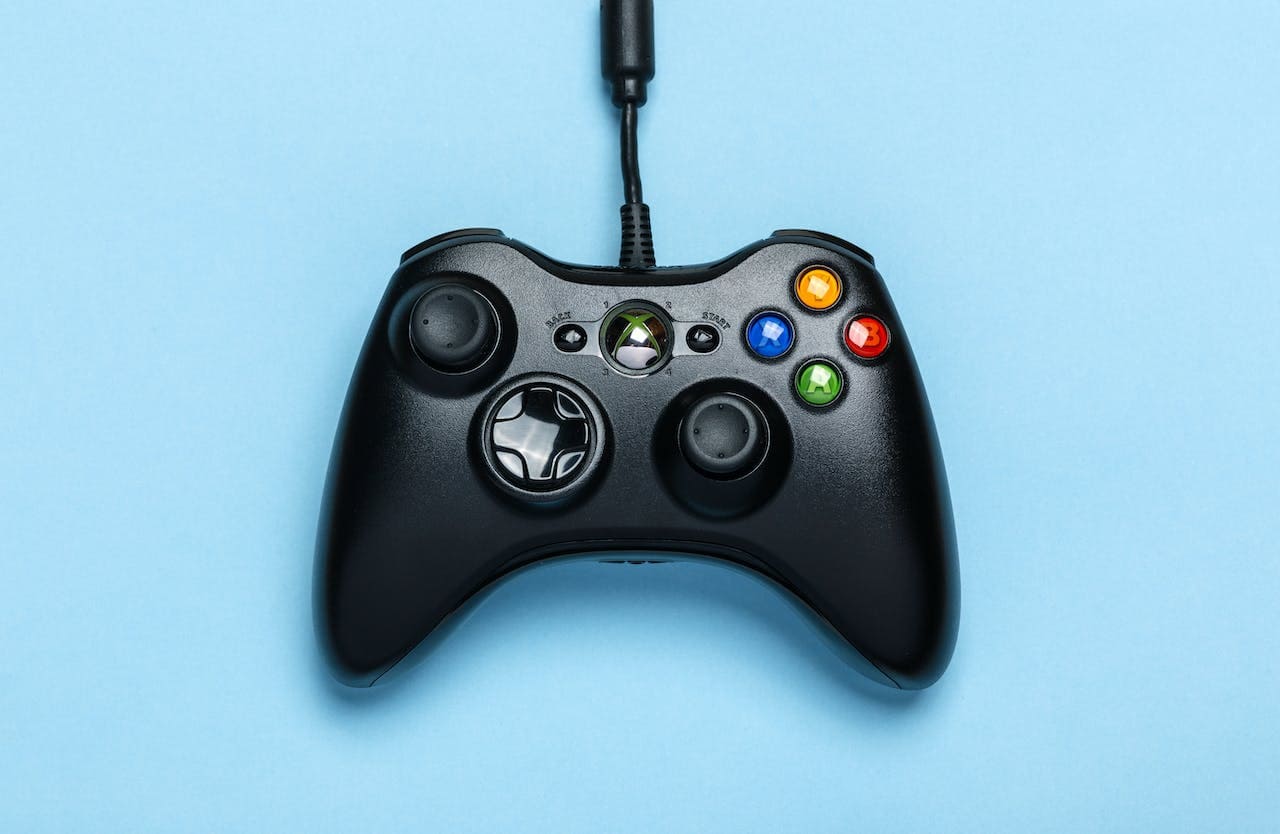
Gamification has become one of the most powerful tools in modern product design. By blending game-like elements into everyday apps and digital experiences, designers can boost user engagement, motivation, and long-term retention. But when used thoughtfully, gamification can do far more than just increase screen time—it can encourage positive behavior, help users build habits, and create meaningful experiences that genuinely improve lives.
Here’s how product designers can use gamification for good.
1. Understand the Purpose, Not Just the Mechanics
Before adding points, badges, or leaderboards, designers must ask one fundamental question:
“What positive action do we want users to take?”
Gamification should support:
- Learning
- Healthy habits
- Productivity
- Skill development
- Emotional well-being
When the purpose is clear, the gamified experience becomes more meaningful instead of manipulative.
2. Use Positive Reinforcement, Not Pressure
Gamification works best when it rewards users for progress rather than punishing them for missing a day or not performing perfectly.
Positive Gamification Elements:
- Achievement badges
- Celebratory animations
- Progress visualizations
- “Streak freeze” options
- Encouraging messages
This creates a supportive environment where users feel motivated—not stressed.
3. Build Habit-Forming Systems That Help Users Grow
Gamification can turn difficult tasks into enjoyable routines.
Examples of habit-building gamification:
- A fitness app that unlocks new challenges as you get stronger
- A learning platform that tracks your daily practice streak
- A budgeting app with progress bars showing monthly financial goals
These systems encourage consistency and make users feel proud of their progress.
4. Personalization Makes Gamification More Impactful
Users stay motivated when the experience feels tailored to them.
Ways to personalize:
- Adaptive difficulty levels
- Custom goals and challenges
- Personalized reminders
- Rewards based on behavior patterns
When the design recognizes the user’s individual journey, engagement becomes deeper and more meaningful.
5. Encourage Healthy Competition (Not Toxic Rivalry)
Leaderboards can boost motivation—but only when designed responsibly.
Healthy competition tips:
- Allow users to compete with small groups (friends, teams)
- Highlight personal growth instead of only ranking
- Reward collaboration as much as competition
This creates a positive environment where users push each other without feeling discouraged.
6. Use Visual Progress to Make Tasks Feel Achievable
Humans are naturally motivated by completion. Even simple visuals can make a huge difference.
Effective progress indicators include:
- Progress bars
- Level systems
- Daily/weekly milestones
- XP (experience points)
When users can see their improvement, they’re more likely to stay engaged.
7. Ensure Ethical Design—Avoid Manipulation
Gamification should never trap users into addictive behavior. Ethical principles must guide every decision.
Avoid:
- Dark patterns
- Overly aggressive notifications
- Endless reward cycles
- Fear of missing out (FOMO) tactics
The goal is to help users—not exploit their psychology.
8. Measure Impact and Iterate
Good gamification evolves over time. Designers should track:
- User satisfaction
- Completion rates
- Drop-off points
- Behavioral changes
Real data helps refine the experience so it stays effective and user-friendly.
Conclusion
Gamification is a powerful design strategy—but its true value emerges when it’s used ethically and purposefully. By focusing on positive reinforcement, personalization, healthy competition, and clear goals, product designers can create experiences that motivate, inspire, and genuinely enrich users’ lives.
When done right, gamification becomes more than a game—it becomes a tool for growth, learning, and long-term well-being.