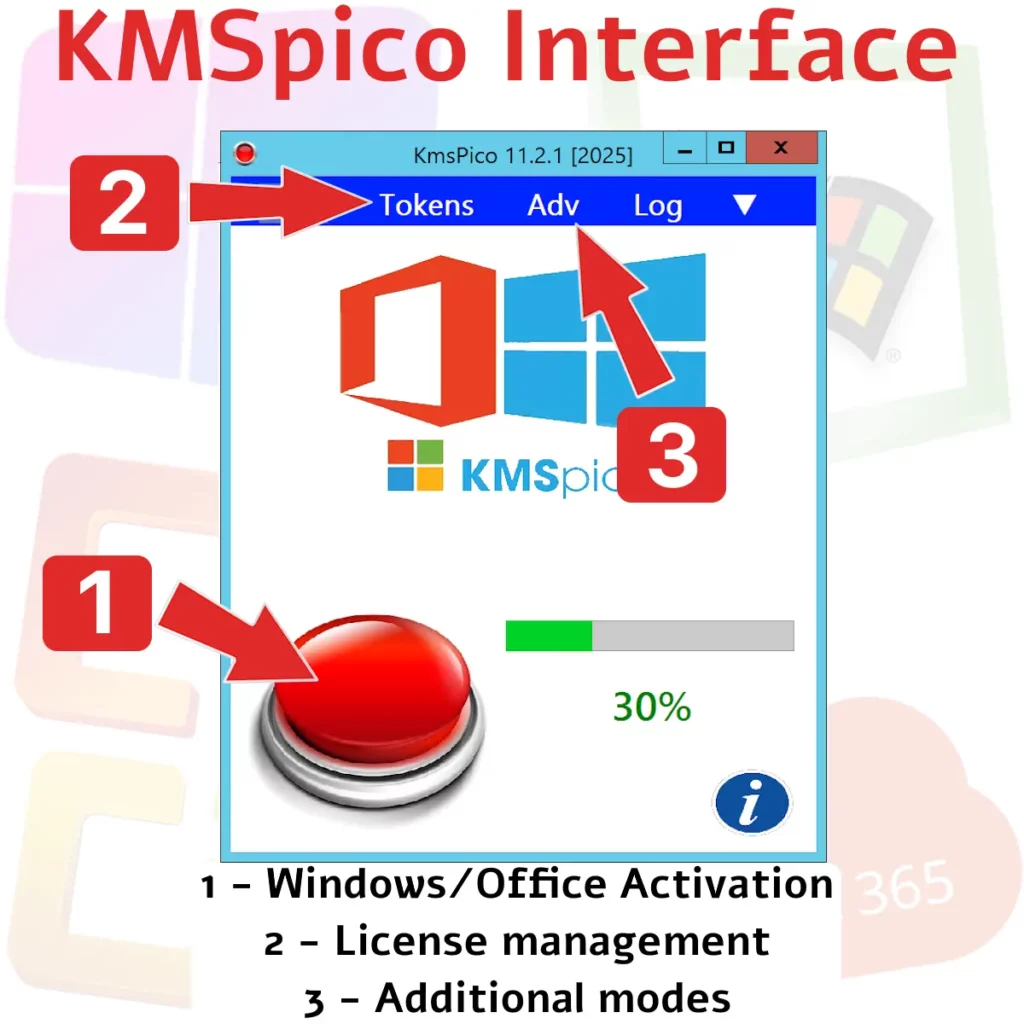
KMS Activation Software In view of the rapidly evolving digital landscape and the increasing misuse of unauthorized software tools, it is essential to raise public awareness regarding the dangers associated with KMS (Key Management Service) activation software circulating online. The following advisory aims to guide citizens, students, professionals, and organizations towards secure and lawful digital practices.
1. Understanding KMS: Legitimate vs Unauthorized Tools
Genuine KMS (Used by Organizations)
The original KMS technology was developed by Microsoft for enterprise networks, enabling large organizations to activate their licensed products internally without contacting Microsoft servers every time.
-
It is legal, secure, and carefully managed by IT departments.
-
It requires a valid volume license agreement between the organization and Microsoft.
Unauthorized KMS Activators (Found Online)
In contrast, the KMS tools found on random websites or shared through social media are:
These tools mimic activation temporarily but expose the user to serious threats.
2. Security Threats & Cyber Risks
Malware & Spyware Injection
Unauthorized KMS activators are among the most common sources of malware. They often contain:
-
Keyloggers (for stealing passwords)
-
Spyware (for monitoring user activity)
-
Trojans (allowing hackers remote access)
-
Ransomware loaders
Backdoor Access for Hackers
Once installed, these tools may open hidden ports in the system, allowing cybercriminals to:
-
Enter the device remotely
-
Take control of files
-
Monitor confidential communication
-
Use the device as part of a botnet for attacks
Disabling System Security
Most KMS activators intentionally disable:
-
Windows Defender
-
Firewall protection
-
Security notifications
-
System integrity checks
This leaves the device fully exposed to cyber threats.
3. Impact on Device Health & Performance
System Instability
Unauthorized activators modify core operating system files. This can cause:
Blocked Security Updates
Devices activated through illegal KMS tools often fail to receive:
This increases the likelihood of viruses, data breaches, and unauthorized access.
4. Legal & Ethical Implications
Violation of Copyright and Cyber Laws
Using illegal activators is a direct violation of:
-
Software licensing agreements
-
National cybercrime and digital piracy laws
-
Intellectual property regulations
Possible Penalties
Depending on jurisdiction, individuals or organizations found using pirated activation tools may face:
Ethical Responsibility
Using pirated software undermines:
-
Developers who create valuable digital tools
-
National cybersecurity integrity
-
Responsible digital culture
5. Risks for Organizations
Unauthorized KMS activators pose severe dangers for offices, schools, universities, and businesses:
-
Compromised networks
-
Theft of confidential data (employee records, finance details, exam papers, etc.)
-
Infected internal servers
-
Reputation damage
-
Legal audits and penalties
A single infected machine can jeopardize an entire network.
6. Safe Practices & Recommendations
To ensure digital safety, users should:
Use Only Genuine Software
Purchase licensed copies or use official educational/enterprise programs where available.
Verify Sources
Download software only from:
Update Systems Regularly
Enable automatic updates for:
-
Windows
-
Antivirus
-
Apps and drivers
Report Pirated Tools
If you encounter illegal activators or suspicious links, report them to local cybercrime authorities or relevant digital safety platforms.
Educate Others
Students, families, and colleagues should be informed about:
Public Advisory
The use of unauthorized KMS activation tools is strongly discouraged. Such tools endanger personal privacy, device integrity, organizational networks, and national cybersecurity.
Citizens are advised to prioritize secure, lawful, and responsible digital behavior by relying solely on genuine, licensed software.