

The Silent Burnout Epidemic Among Gen Z
- May 19, 2026
- 0
Gen Z burnout has become one of the biggest mental health and lifestyle issues affecting young people today. Unlike traditional burnout, which is often linked only to work,


9621 Agnes Crossing, Lake Suzanneview, New Mexico Island 84604-9295.
Gen Z burnout has become one of the biggest mental health and lifestyle issues affecting young people today. Unlike traditional burnout, which is often linked only to work,

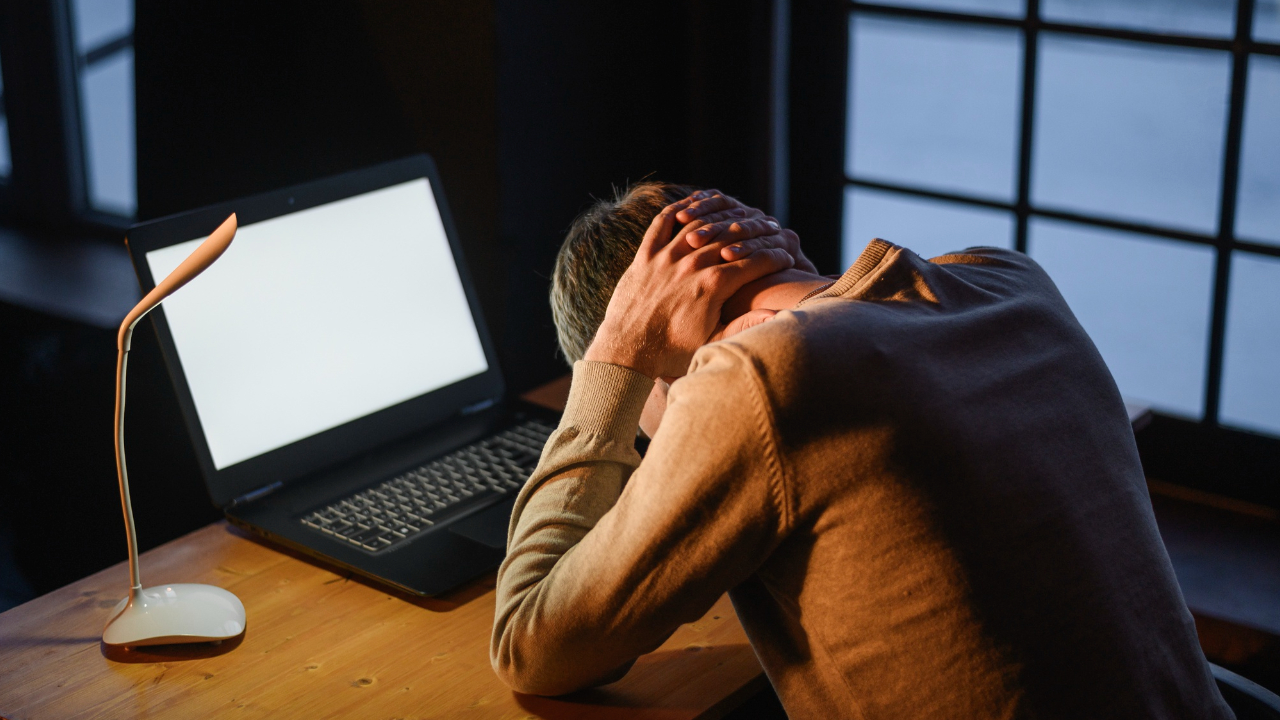
Gen Z burnout has become one of the biggest mental health and lifestyle issues affecting young people today. Unlike traditional burnout, which is often linked only to work, Gen Z burnout is connected to nearly every part of modern life. School pressure, social media, financial stress, nonstop digital stimulation, and constant comparison have created an environment where many young people feel mentally exhausted almost all the time.
What makes this problem even more concerning is how quietly it happens. Many people experiencing burnout do not immediately recognize it. Feeling tired, overwhelmed, emotionally drained, or unmotivated has become so common that it often feels normal.
For Gen Z, burnout is no longer just an occasional phase after a stressful week. It has slowly become part of daily life for millions of young people navigating a world that rarely slows down.
Gen Z burnout is heavily connected to the rise of constant digital stimulation.
Unlike previous generations, Gen Z grew up in a world where phones, notifications, and social media became part of everyday life from an early age. This means the brain rarely gets a true break from information.
Social media platforms constantly compete for attention. Notifications, endless scrolling, short-form videos, and online trends keep the brain continuously active. Even during moments of rest, many people are still mentally consuming content.
Over time, this nonstop stimulation can create mental exhaustion.
Many Gen Z individuals feel tired not because they are physically overworked, but because their minds are constantly processing information.
Gen Z burnout is also fueled by social media comparison.
Every day, young people are exposed to carefully edited versions of other people’s lives. Success, beauty, productivity, relationships, and wealth are constantly displayed online in ways that make comparison difficult to avoid.
Even when people know social media is not fully realistic, it can still affect self-esteem and mental wellbeing.
This creates pressure to constantly improve, achieve more, and keep up with others.
Many Gen Z individuals feel like they are falling behind in life even when they are doing completely normal things for their age.
That pressure quietly contributes to burnout over time.

Gen Z burnout has become worse because of modern productivity culture.
Young people are constantly told to work harder, improve themselves faster, and maximize every hour of the day. Productivity content online often promotes the idea that resting too much means wasting potential.
As a result, many people feel guilty when they are not being productive.
Even relaxation becomes stressful because it feels undeserved.
This mindset creates a cycle where people push themselves mentally without giving themselves enough recovery time.
Over time, this constant pressure can lead to emotional exhaustion and loss of motivation.
Gen Z burnout is strongly linked to academic stress as well.
Students today face intense pressure to succeed academically while also building social lives, maintaining online identities, and preparing for uncertain futures.
Many young people feel like they must constantly perform well to avoid falling behind.
Competition has become more intense, especially with social media making achievements more visible than ever before.
Grades, extracurricular activities, career planning, and future financial concerns all combine into a constant source of stress.
For many students, the pressure never truly switches off.
Gen Z burnout is also connected to financial uncertainty.
Many young people worry about the future constantly. Rising living costs, job competition, and economic uncertainty have created anxiety about long-term stability.
Even teenagers and young adults often feel pressure to “figure out their lives” early.
Social media makes this worse by constantly showcasing luxury lifestyles and success stories that feel difficult to reach.
This creates unrealistic expectations and financial stress before many people have even entered adulthood fully.
Gen Z burnout has a major relationship with poor sleep habits.
Late-night scrolling, constant screen exposure, stress, and overstimulation make quality sleep harder to achieve.
Many people stay mentally active late into the night because their brains never fully disconnect from digital stimulation.
Poor sleep then increases stress, fatigue, and emotional sensitivity the next day.
This creates a cycle where exhaustion becomes continuous.
Sleep deprivation has become so common that many people underestimate how much it affects mood, focus, and mental health.
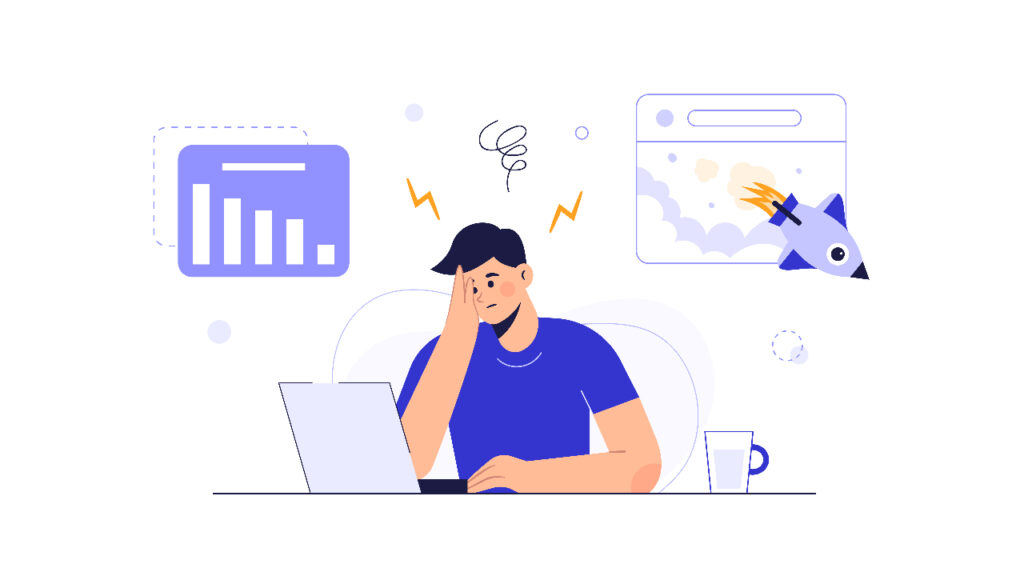
Gen Z burnout often appears as emotional exhaustion rather than physical tiredness.
Many young people describe feeling mentally drained even when they have not done intense physical work.
Simple tasks can feel overwhelming. Motivation becomes inconsistent, and even hobbies may start feeling less enjoyable.
This type of burnout can be difficult to recognize because it develops gradually.
Instead of one major breakdown, people slowly become emotionally exhausted over time.
That is why many experts describe burnout as a silent epidemic.
Gen Z burnout is deeply connected to the fear of falling behind in life.
Social media creates the illusion that everyone else is constantly succeeding, improving, or achieving major milestones.
This creates pressure to always be doing more.
Many young people feel anxious when they are not progressing quickly enough, even when their expectations are unrealistic.
The fear of “wasting time” has become extremely common among Gen Z.
Ironically, this constant pressure to move faster often leads to burnout that reduces productivity completely.
Gen Z burnout is also linked to overstimulation.
Modern life provides almost no silence. Music, videos, notifications, advertisements, and online content constantly compete for attention.
The brain rarely experiences stillness.
Many people have become so used to constant stimulation that quiet moments feel uncomfortable.
However, nonstop stimulation prevents mental recovery.
This is one reason why trends like digital detoxes, quiet living, journaling, and slow mornings are becoming increasingly popular.
People are searching for ways to mentally slow down.

Gen Z burnout is also connected to identity pressure.
Young people today feel pressure to build perfect versions of themselves online while also trying to figure out who they really are.
Personal branding, online appearance, opinions, and social image can all feel heavily monitored in digital spaces.
This creates emotional pressure that previous generations did not experience at the same intensity.
Many Gen Z individuals feel like they are constantly being observed or judged online.
That level of pressure can become mentally exhausting over time.
Gen Z burnout is surprisingly connected to loneliness as well.
Even though social media creates constant connection, many young people still feel emotionally isolated.
Online interactions do not always provide the same emotional fulfillment as real-life relationships.
Spending large amounts of time online can sometimes reduce meaningful in-person interaction, which affects emotional wellbeing.
Loneliness combined with stress and overstimulation creates an even stronger sense of burnout.
Gen Z burnout is discussed more openly today partly because mental health awareness has increased.
Young people are more willing to talk about stress, anxiety, emotional exhaustion, and mental wellbeing than previous generations.
This openness is positive because it helps reduce stigma around mental health struggles.
However, awareness alone does not solve burnout.
Modern lifestyles still create many of the same pressures that contribute to exhaustion in the first place.
Gen Z burnout highlights the growing need for balance.
Many young people are beginning to realize that nonstop productivity and constant digital engagement are not sustainable.
This realization is driving interest in healthier routines, boundaries with technology, and slower lifestyles.
People are starting to value rest, quietness, and mental recovery more seriously.
Balance is becoming a major goal in modern wellness culture.

Gen Z burnout cannot always be solved instantly, but certain habits can help reduce mental exhaustion.
Limiting screen time, improving sleep habits, taking breaks from social media, spending time offline, exercising, and creating healthier routines can all support mental wellbeing.
Learning to slow down without guilt is also important.
Rest should not feel like failure.
Small changes often make a bigger difference than extreme lifestyle changes.
Gen Z burnout matters because it affects millions of young people navigating modern life.
Ignoring emotional exhaustion can eventually affect motivation, relationships, mental health, and overall quality of life.
The growing conversation around burnout reflects a deeper issue with how modern society operates.
People are realizing that being constantly busy and digitally connected is not always healthy.
Understanding burnout is the first step toward creating healthier habits and more sustainable lifestyles.

Gen Z burnout has quietly become one of the defining mental health challenges of modern life. Constant digital stimulation, social comparison, academic pressure, financial anxiety, and productivity culture have created an environment where many young people feel mentally exhausted every day.
The problem is called a silent epidemic because burnout often develops gradually and becomes normalized over time.
As awareness grows, more people are beginning to prioritize balance, rest, and mental wellbeing instead of nonstop productivity. While modern life may never fully slow down, healthier habits and intentional boundaries can help reduce the emotional exhaustion affecting so many young people today.